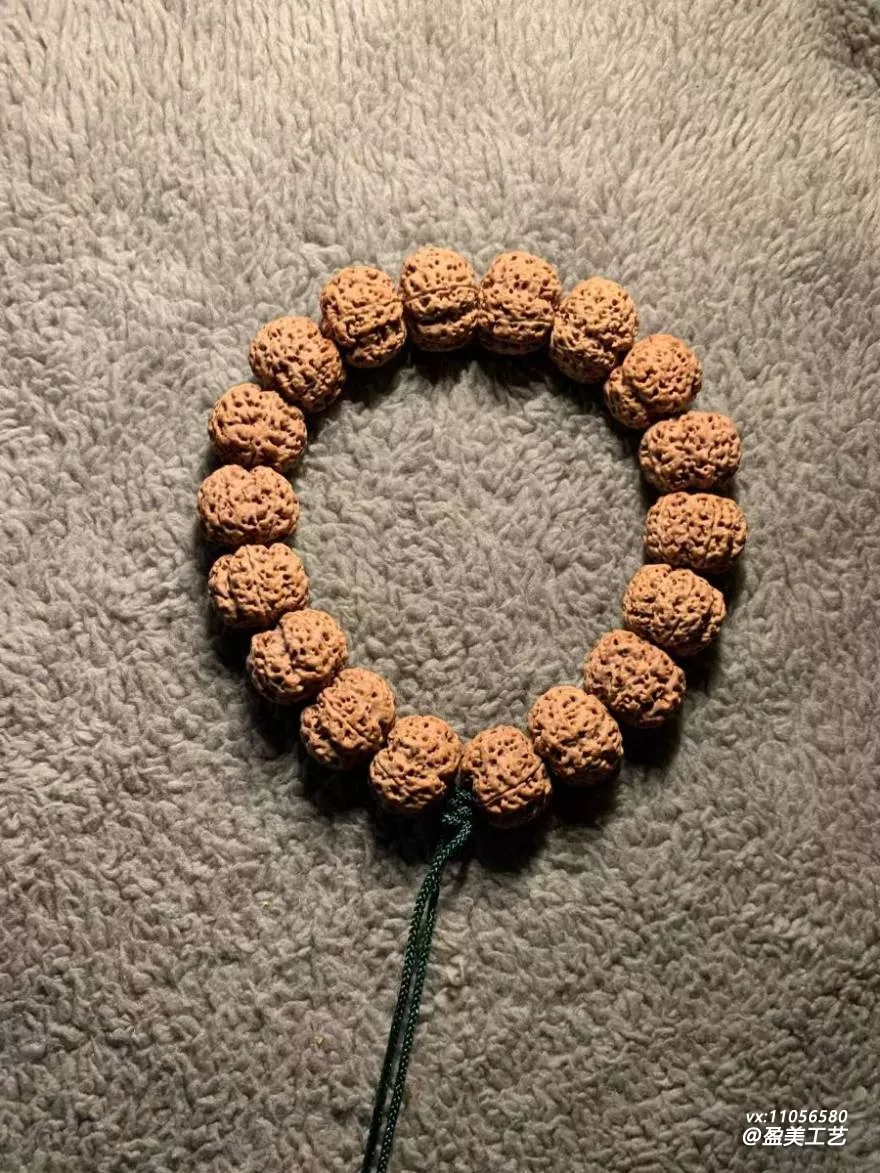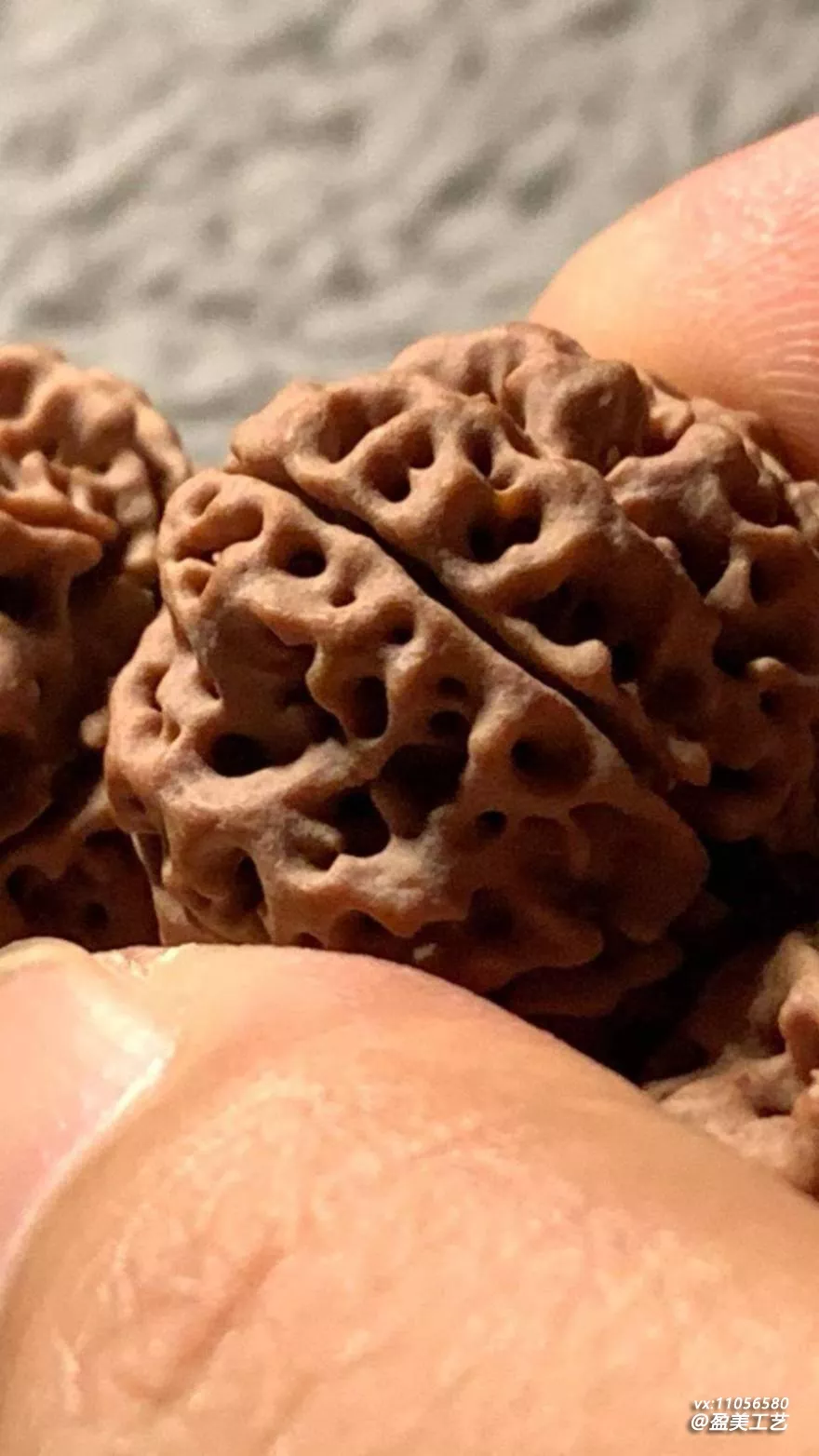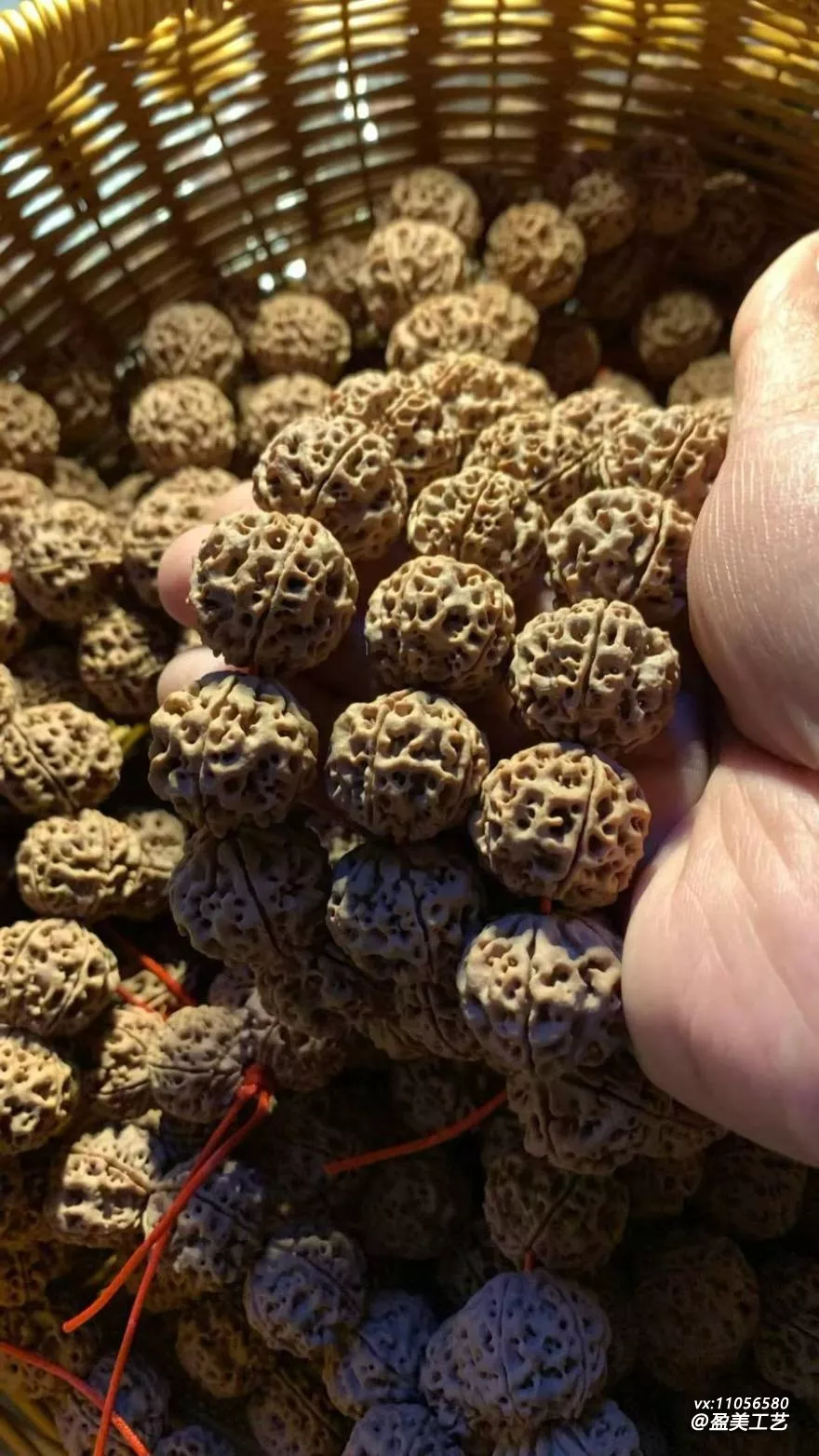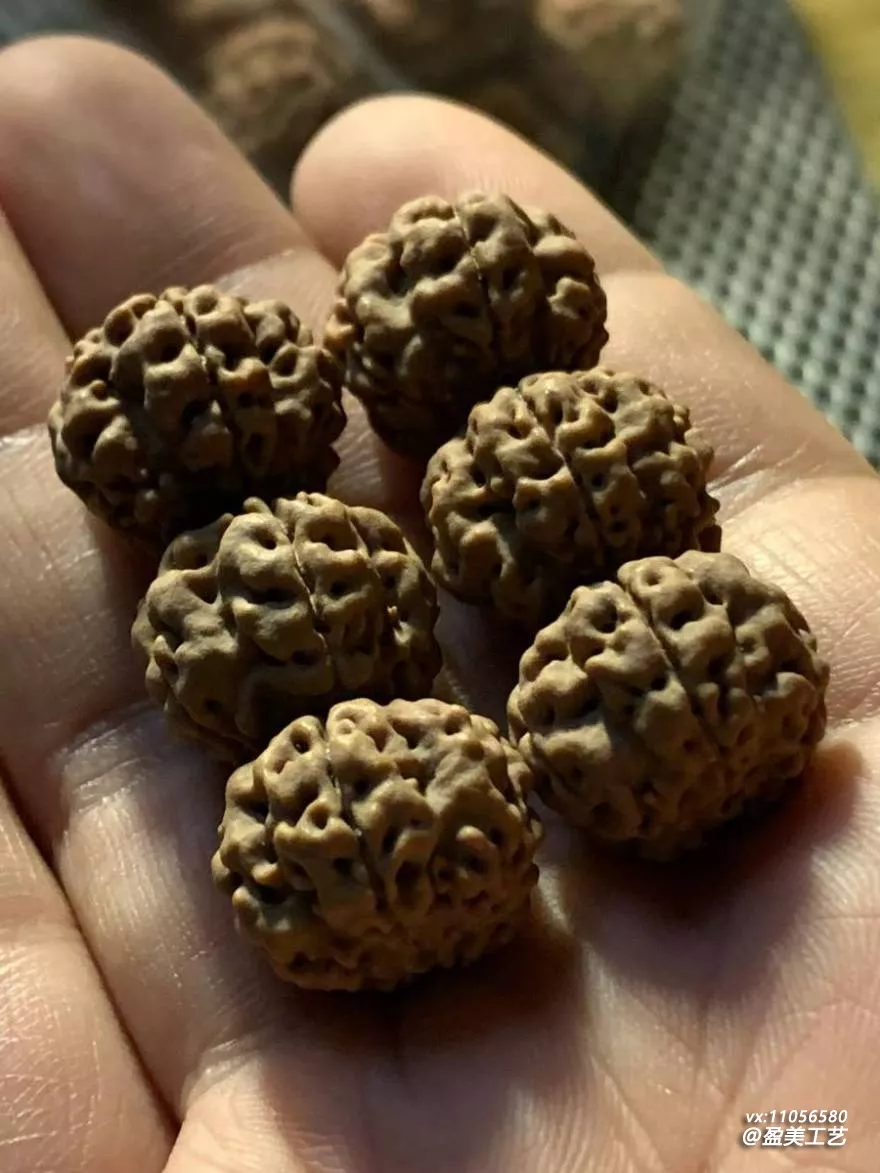
How much difference does a water submersion test make for large Rudraksha? When buying a mala, people often say to test the seeds by submerging them in water. Is the water submersion test actually reliable, and how much difference does it make whether you do it or not? Let's clarify so you know whether it's worth doing.
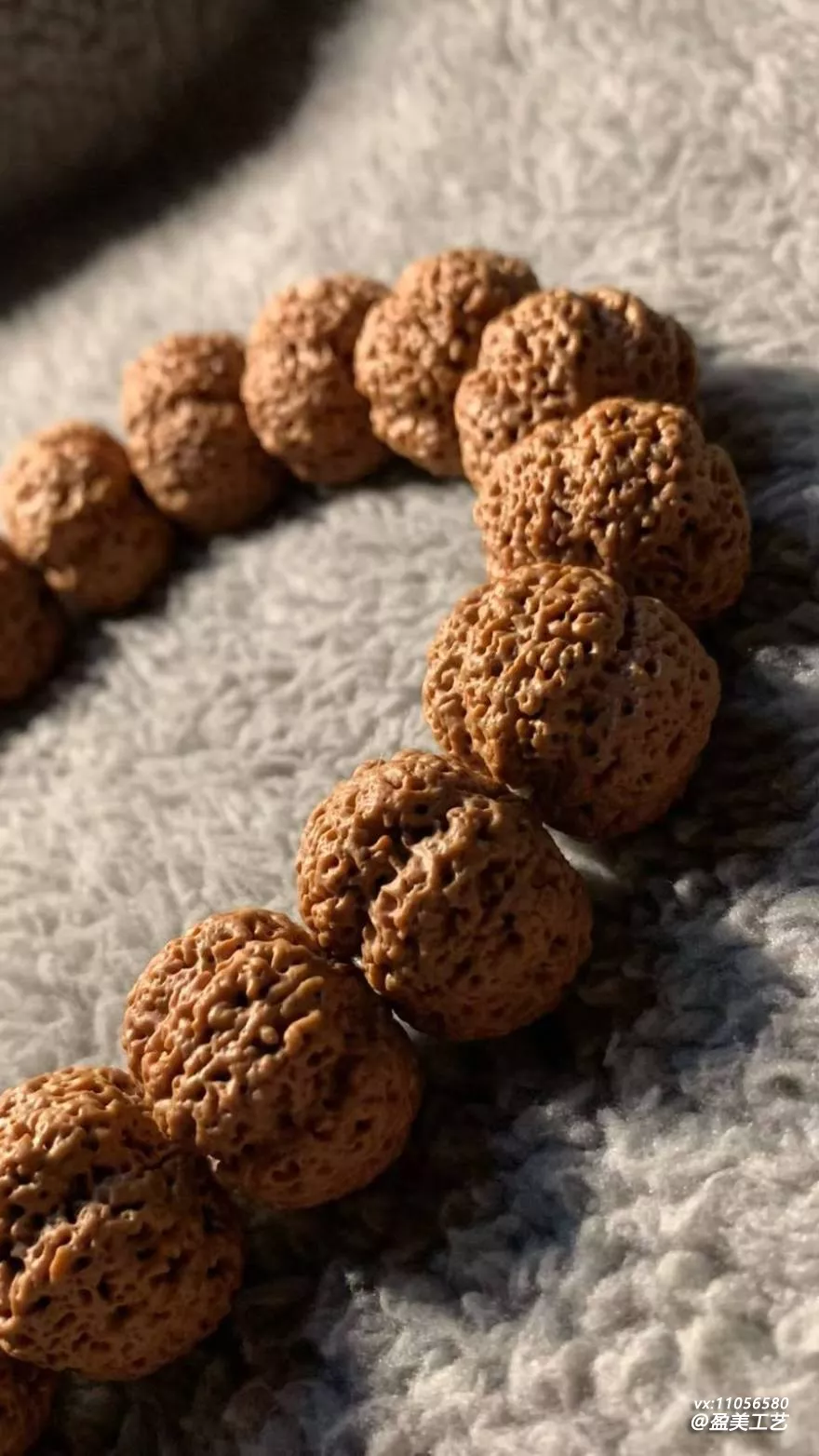
What is the water submersion test
What is the water submersion test: You drop the seeds into water; those that sink are high-density good seeds, while those that float are low-density inferior seeds. The principle is that density determines buoyancy—high-density seeds sink quickly, low-density seeds float on the surface, and the test results are straightforward.
The difference between doing it and not doing it
The difference between doing it and not doing it: If you do it, you can directly filter out inferior seeds, giving you peace of mind and no worry about buying a low-density mala. If you don't, you can only judge by feel, and if your feel is inaccurate, you might mistake inferior seeds for normal ones. The difference is between having peace of mind and relying entirely on intuition.
Precautions for the test
Precautions for the test: Ask the seller before testing, as some malas are not suitable for submersion. Don't soak them too long; after soaking, dry them in the shade and don't handle them directly. The submersion test is only a supplement and should be combined with an overall assessment of skin quality and density. How much difference does a water submersion test make for large Rudraksha? Doing it gives you peace of mind; not doing it means relying entirely on feel. The difference is significant, so test if you can.
The water submersion test is not complicated. Test if you can, and you'll have peace of mind when choosing a mala.