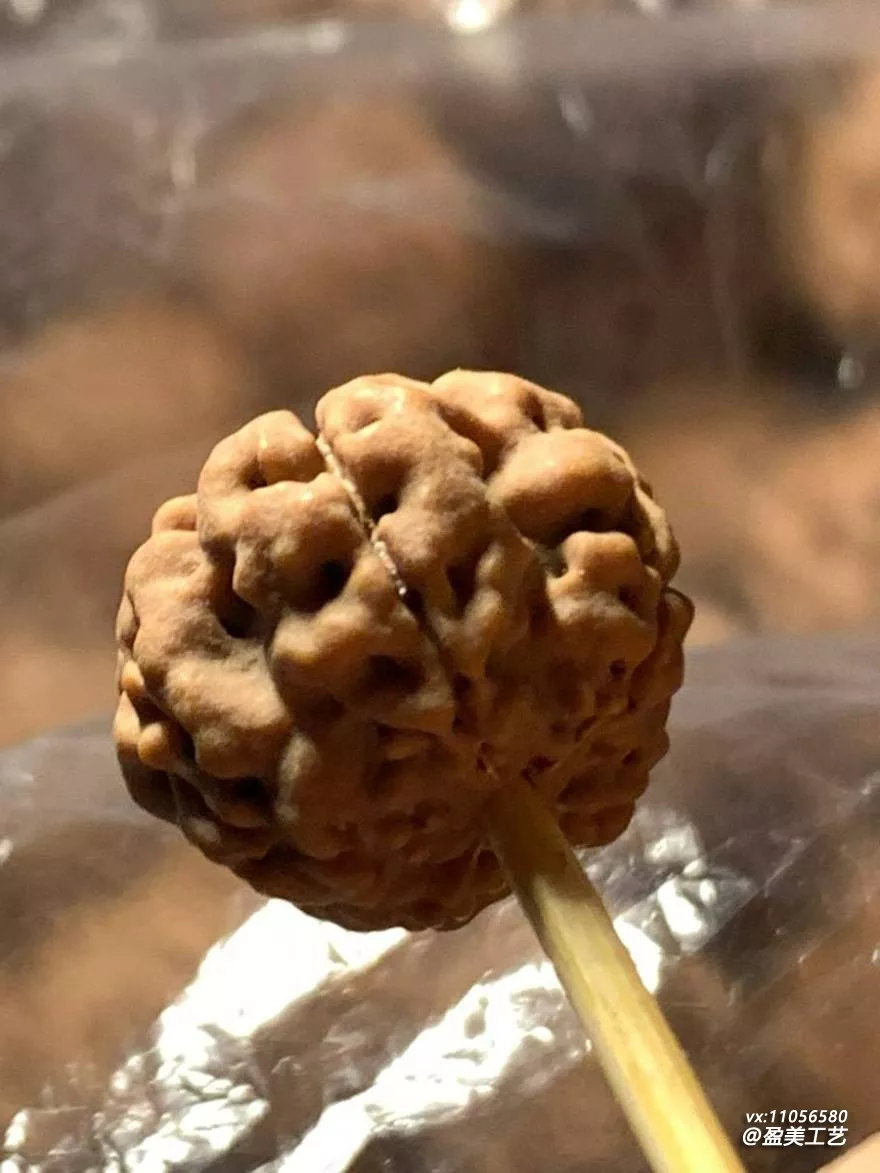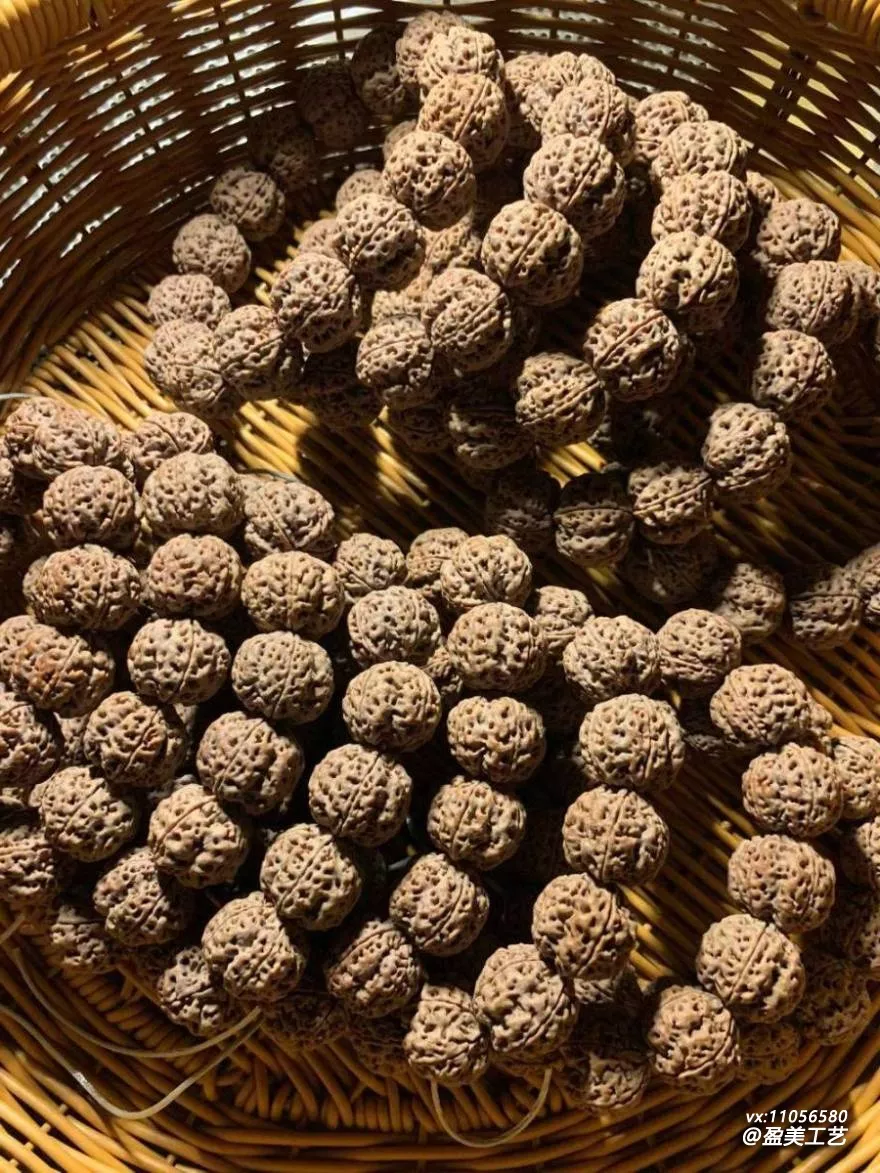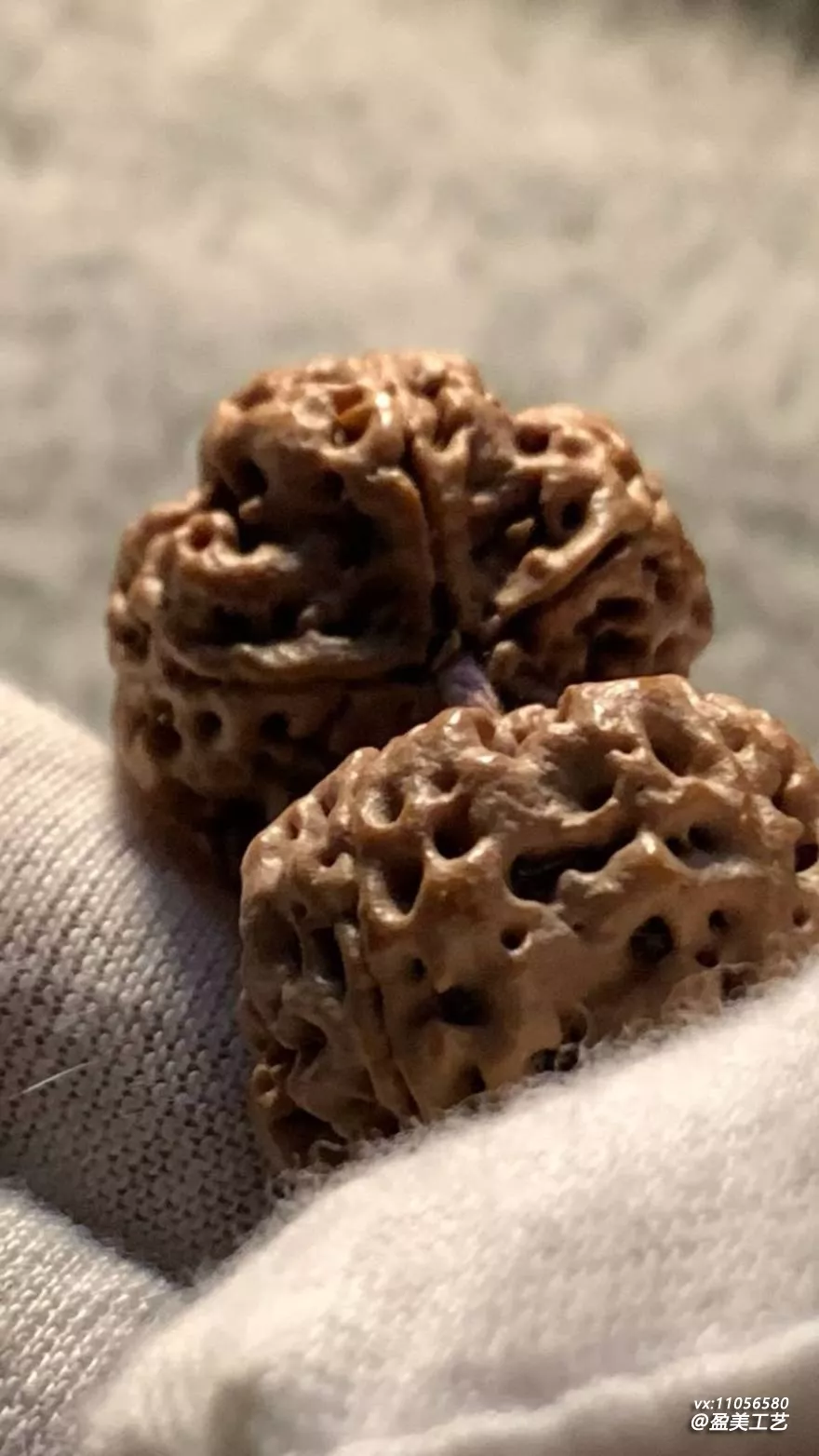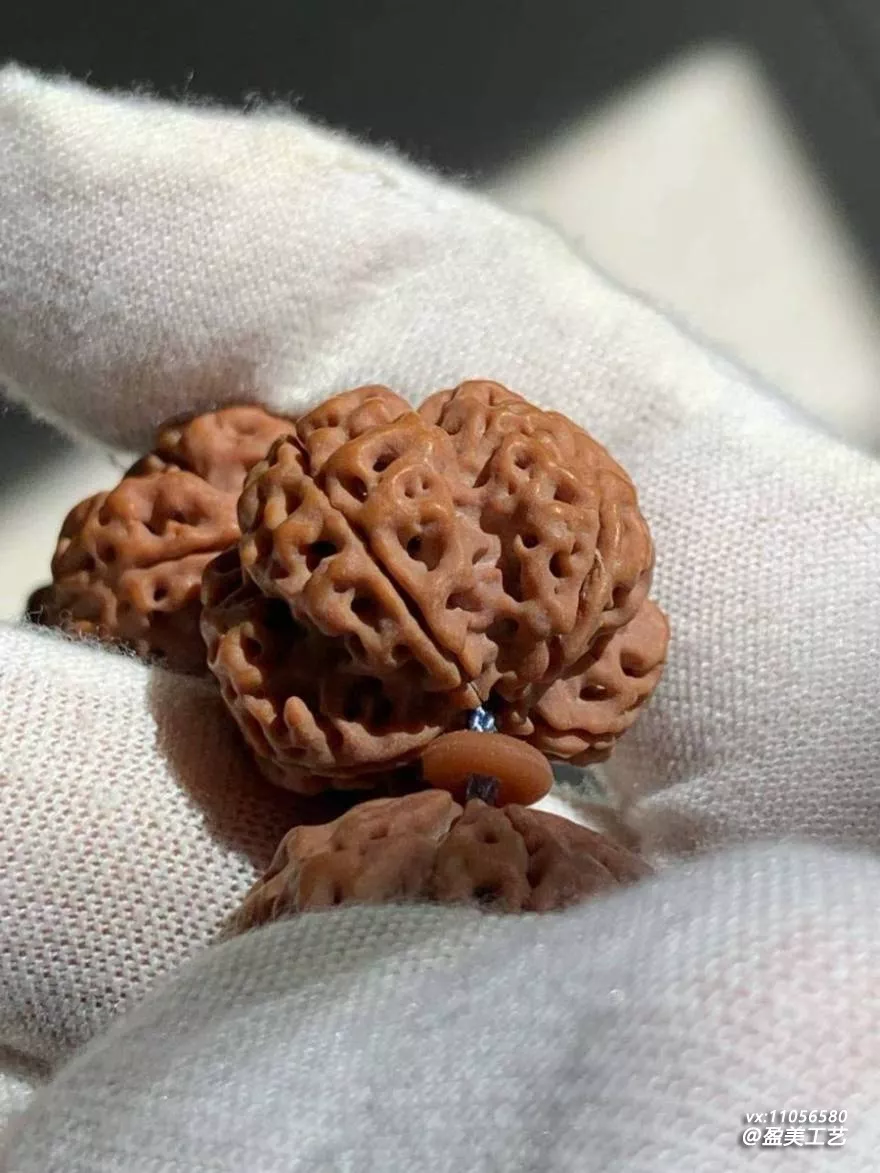
After switching brushes three times, I finally figured out the base prep for a single-loop Old Tree King. During base prep, I swapped one brush after another and hit plenty of pitfalls before I understood the principle. Let me record the brush-switching process as a reference for friends doing the same base prep.
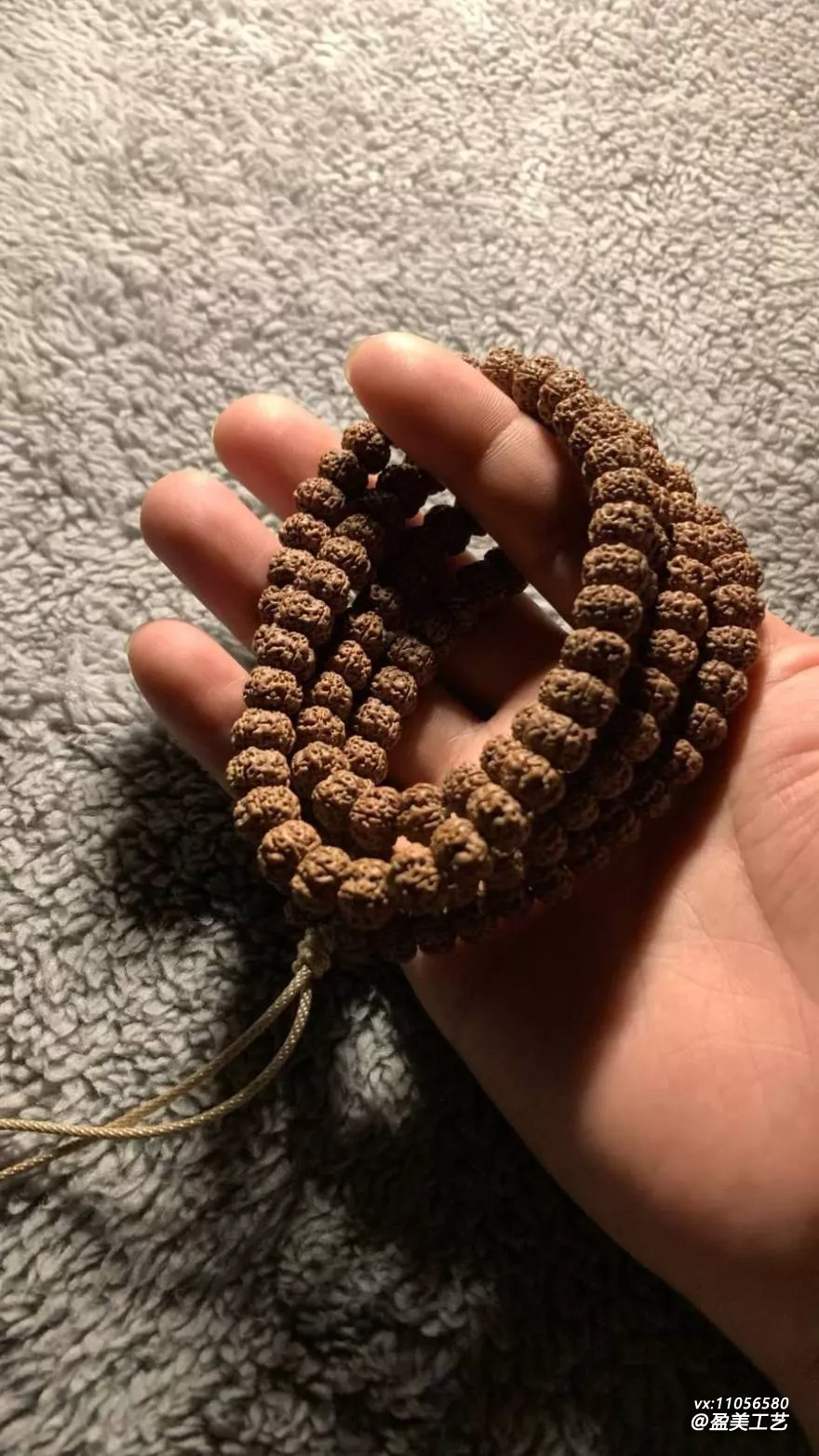
The First Brush
The first brush was an ordinary soft brush. At the time I thought a soft brush was gentle and wouldn't damage the mala, but it turned out the soft brush couldn't work the crevices, couldn't remove the alkaline bloom, and the more I brushed the more anxious I got. Only later did I understand that base prep starts with cleaning the crevices; a soft brush is fine for the surface but no good for crevices. That was the first pitfall, and I only learned it after switching.
The Second Brush
For the second brush, I switched to a stiff-bristle brush. The stiff bristles worked the crevices and removed some of the alkaline bloom, but after brushing for a while the surface of the mala felt rough and no luster came out. Later I understood that brushes need to be matched to their purpose: stiff brush for cleaning crevices, soft brush for polishing. One brush isn't enough. That was the second pitfall.
The Third Brush
For the third brush, I got both a stiff and a soft one. The stiff brush follows the grain to clean the crevices, the soft brush polishes the surface; used together, the alkaline bloom faded and the luster came out, and only then did base prep make sense. After switching brushes three times, I finally figured out the base prep for a single-loop Old Tree King: brushes must be matched to their purpose, stiff and soft working together, brushed patiently, and base prep isn't hard. This is a lesson I only understood after switching brushes.