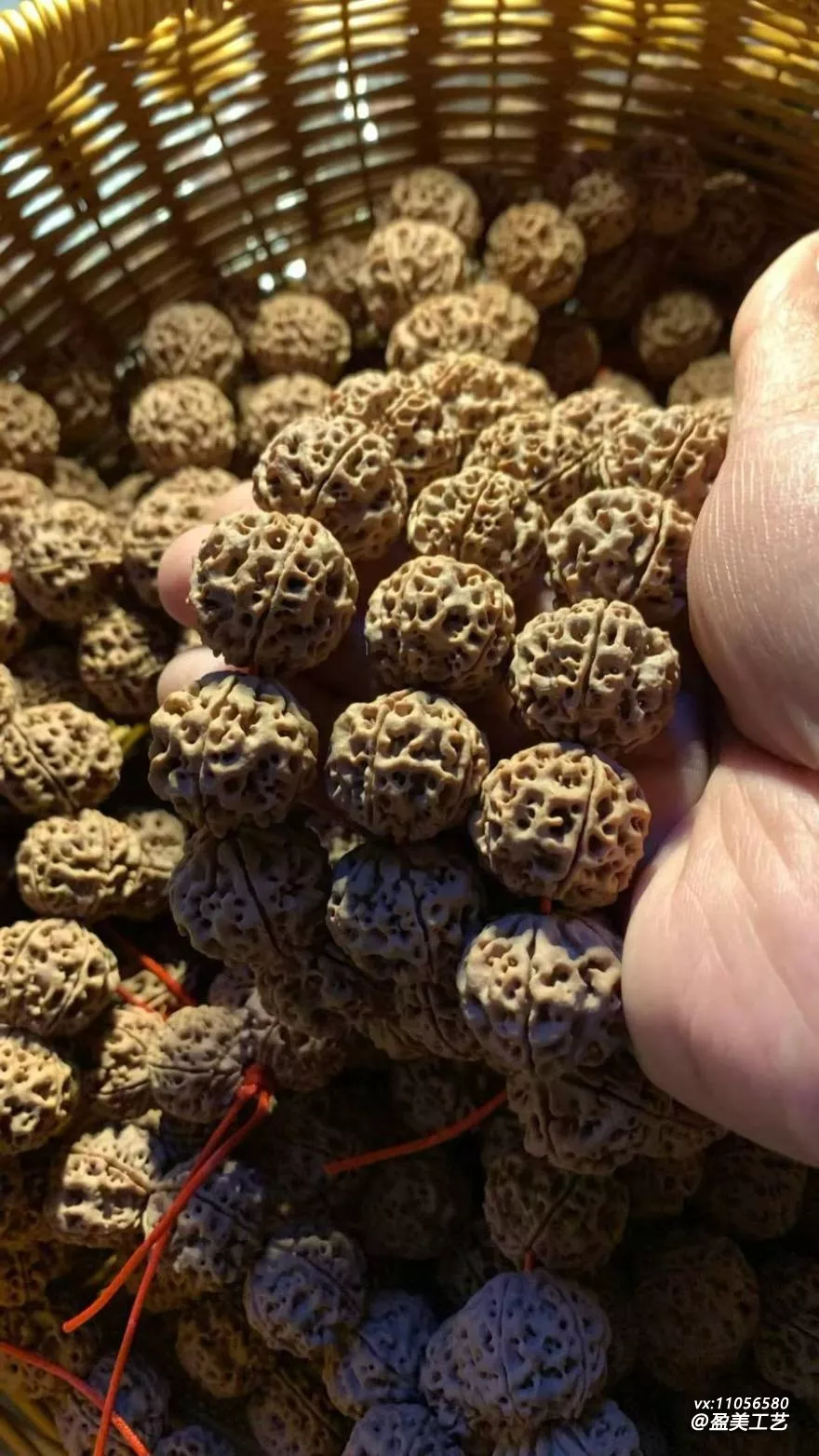
Should you choose Rudraksha (large) by size or by mukhi count? When selecting a mala, size and mukhi count are two unavoidable topics. Beginners often struggle with which one to prioritize. Actually, neither is the core; once explained clearly, you will understand.
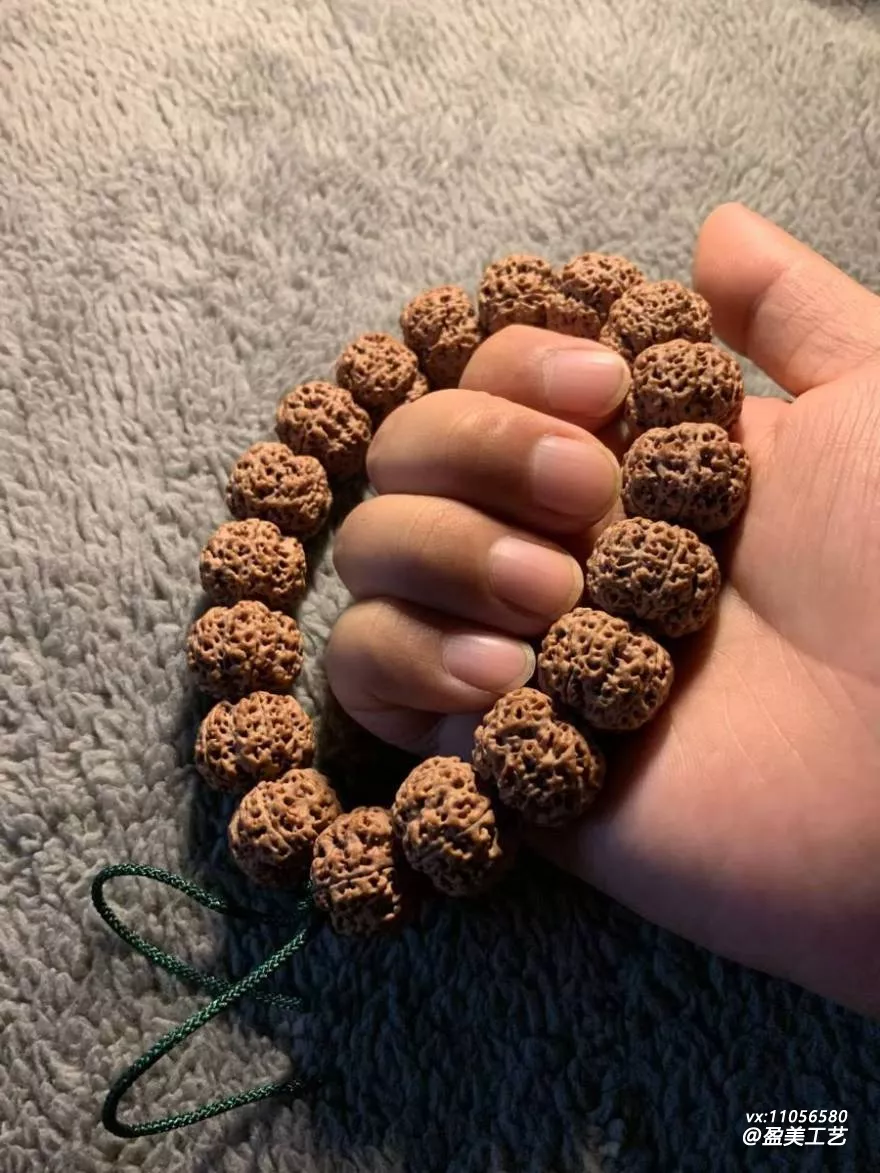
The Role of Size
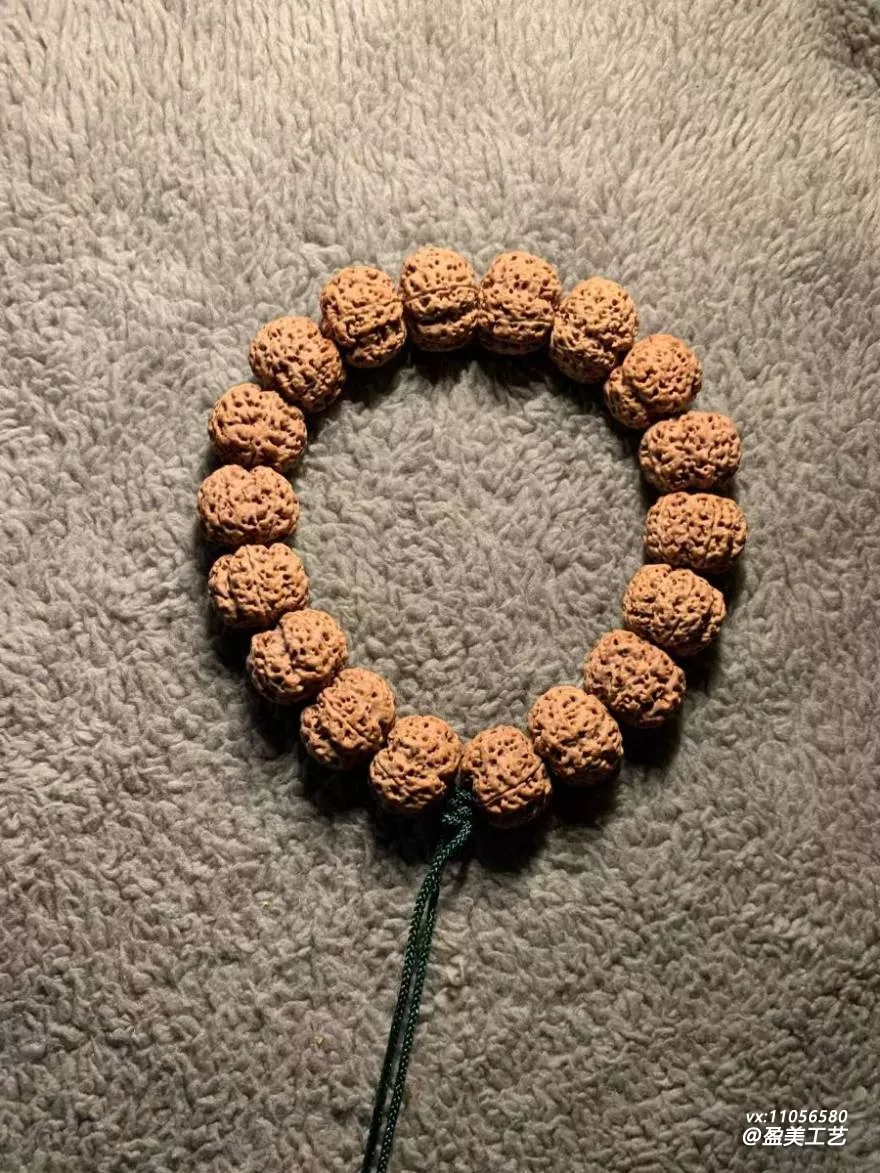
The role of size: Size affects the wearing experience and hand feel. Large beads are full and imposing, while small beads are delicate. Choose the size based on your wrist thickness, as comfort is what matters most. Size is a choice at the wearing level; do not let it mislead your direction in selecting a mala.
The Role of Mukhi Count
The role of mukhi count: The mukhi count affects rarity and price. Higher mukhi counts are rare and expensive, but the breaking-in (patina process) results might not necessarily be good. Ordinary 5-mukhi beads can look equally beautiful when broken in. The mukhi count is a gimmick, not the core of selecting a mala; do not waste money just for a higher mukhi count.
What is the Core?
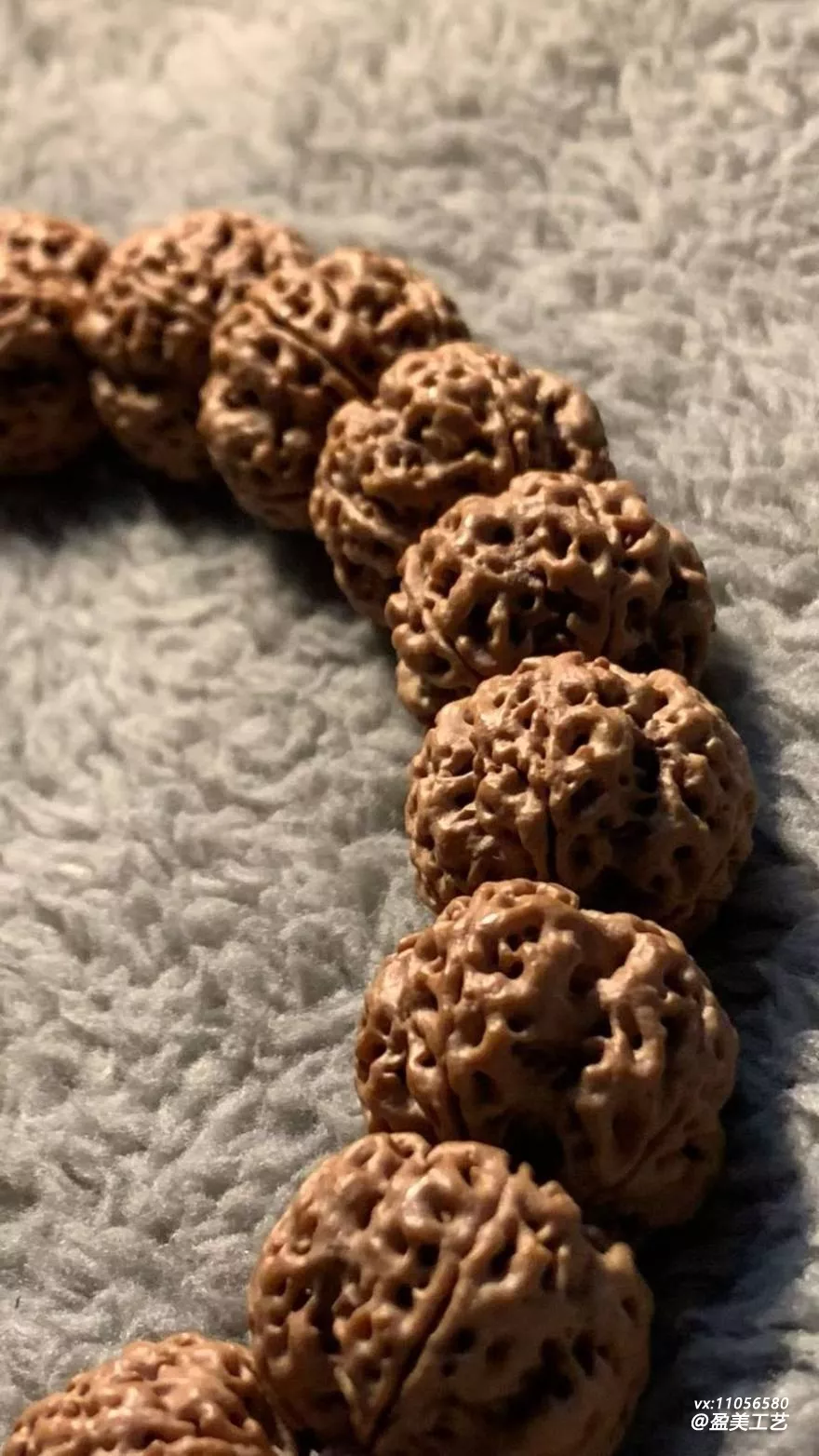
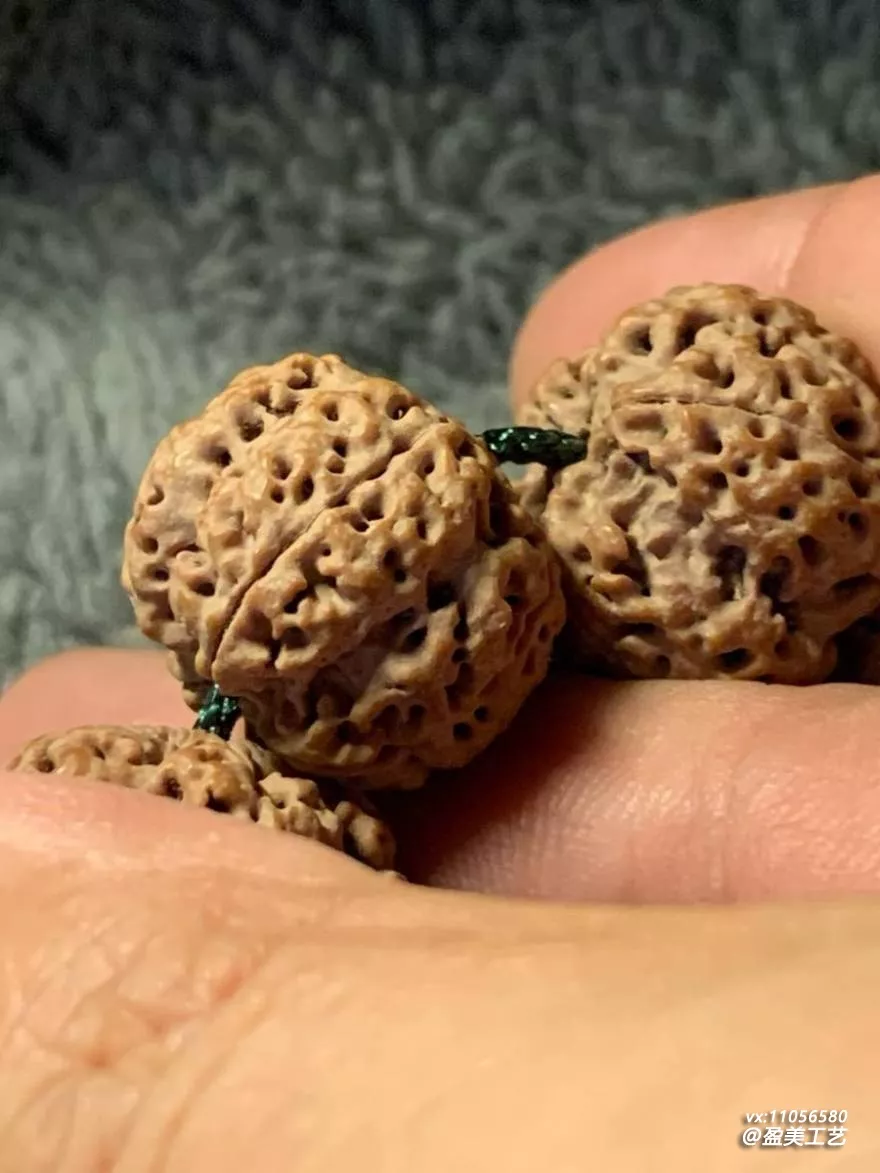
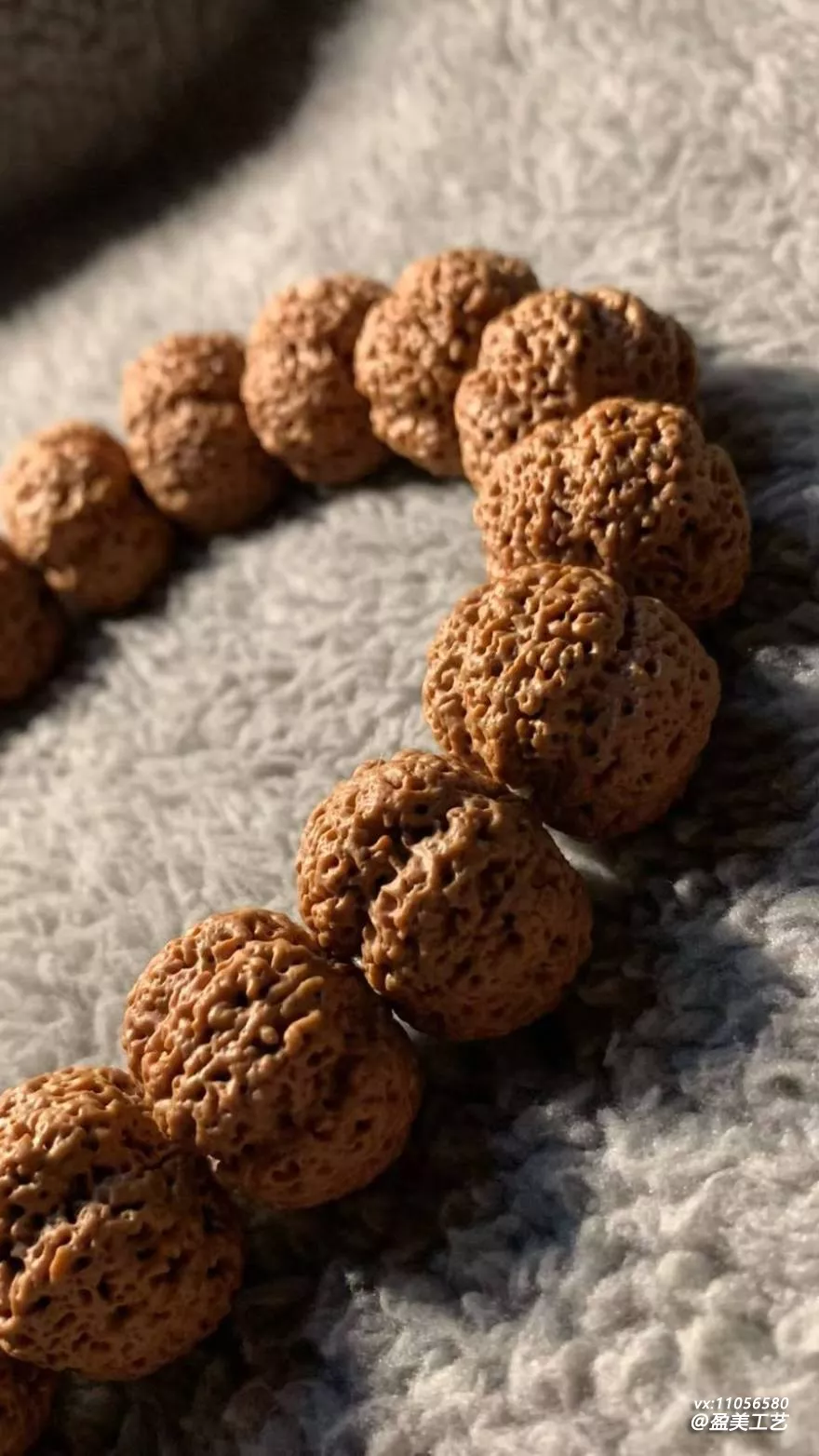
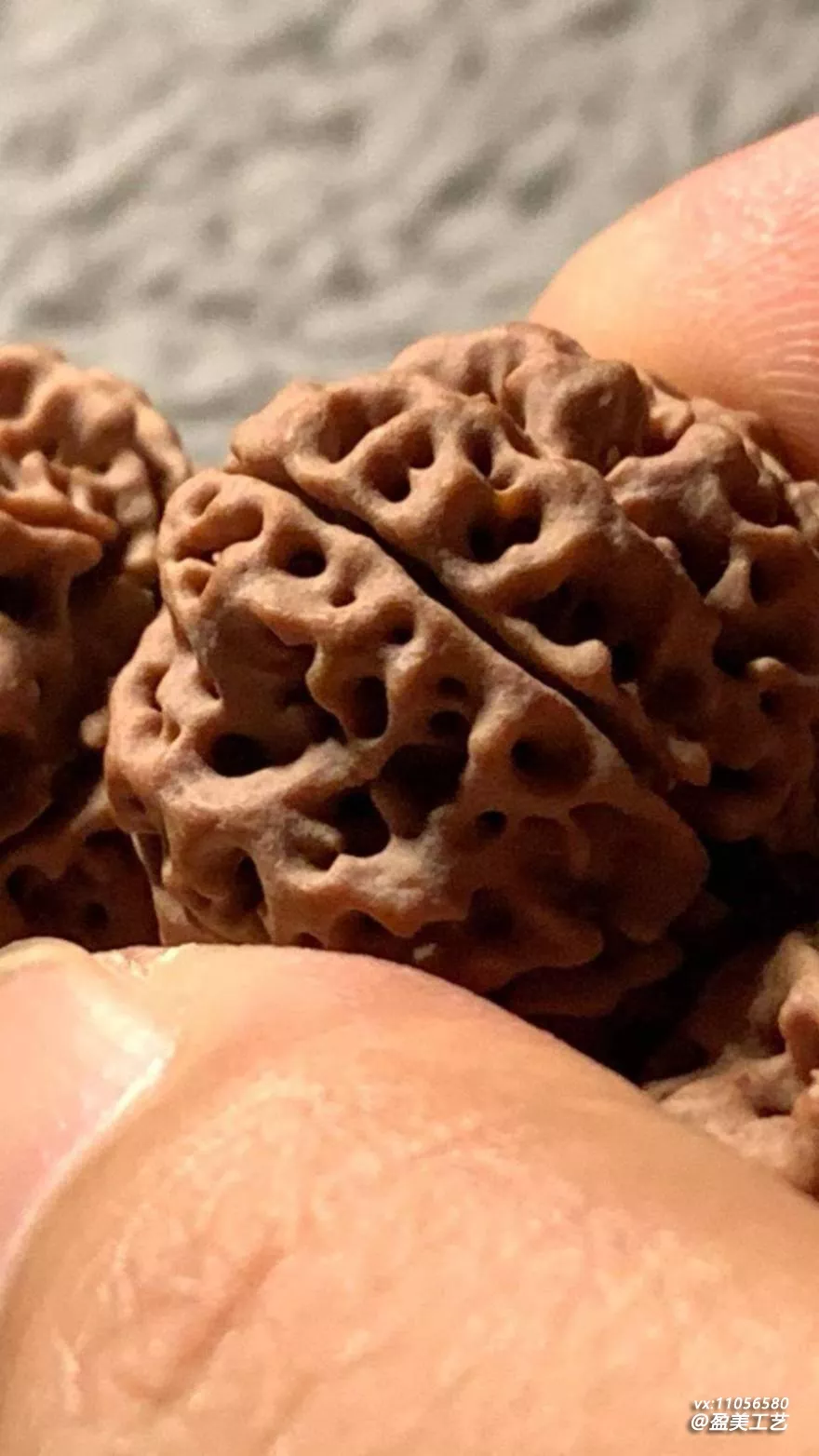
What is the core: Bead skin density. Regardless of size and mukhi count, only beads with good skin density are worth breaking in, as they yield the best results. The order for selecting a mala should be: first look at skin density, then decide on size, and finally consider the mukhi count. Should you choose Rudraksha (large) by size or by mukhi count? Neither is as good as choosing by skin density. If the foundation is good, everything is good.
Do not let size and mukhi count lead you astray; skin density is the fundamental principle. Keep this in mind when selecting a mala.