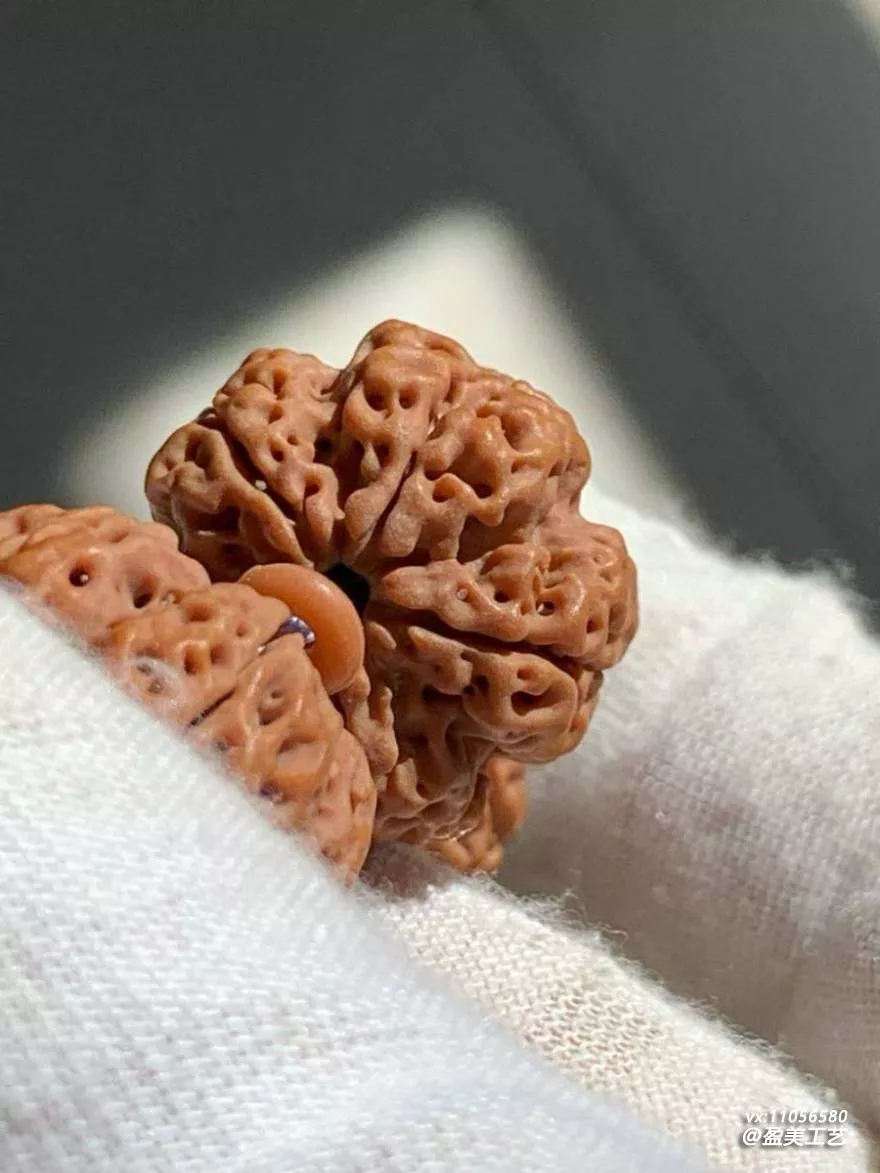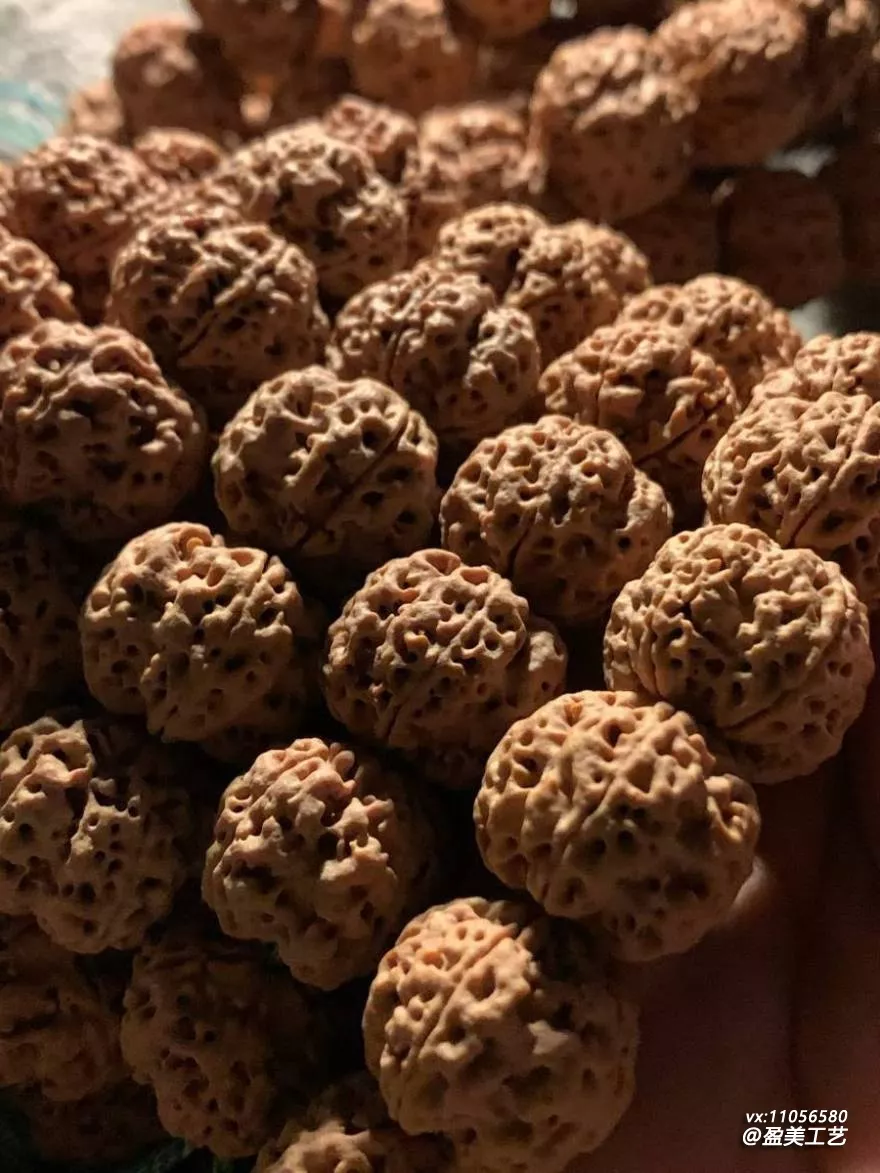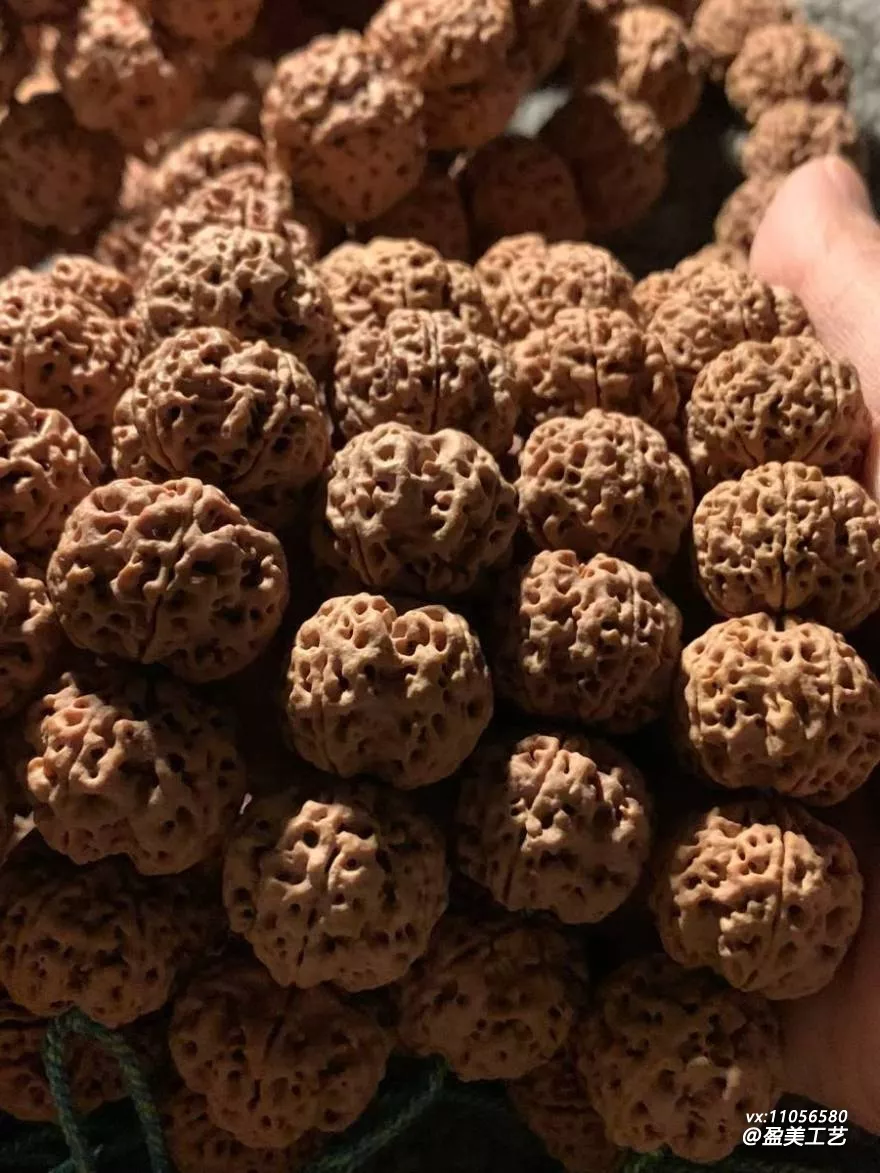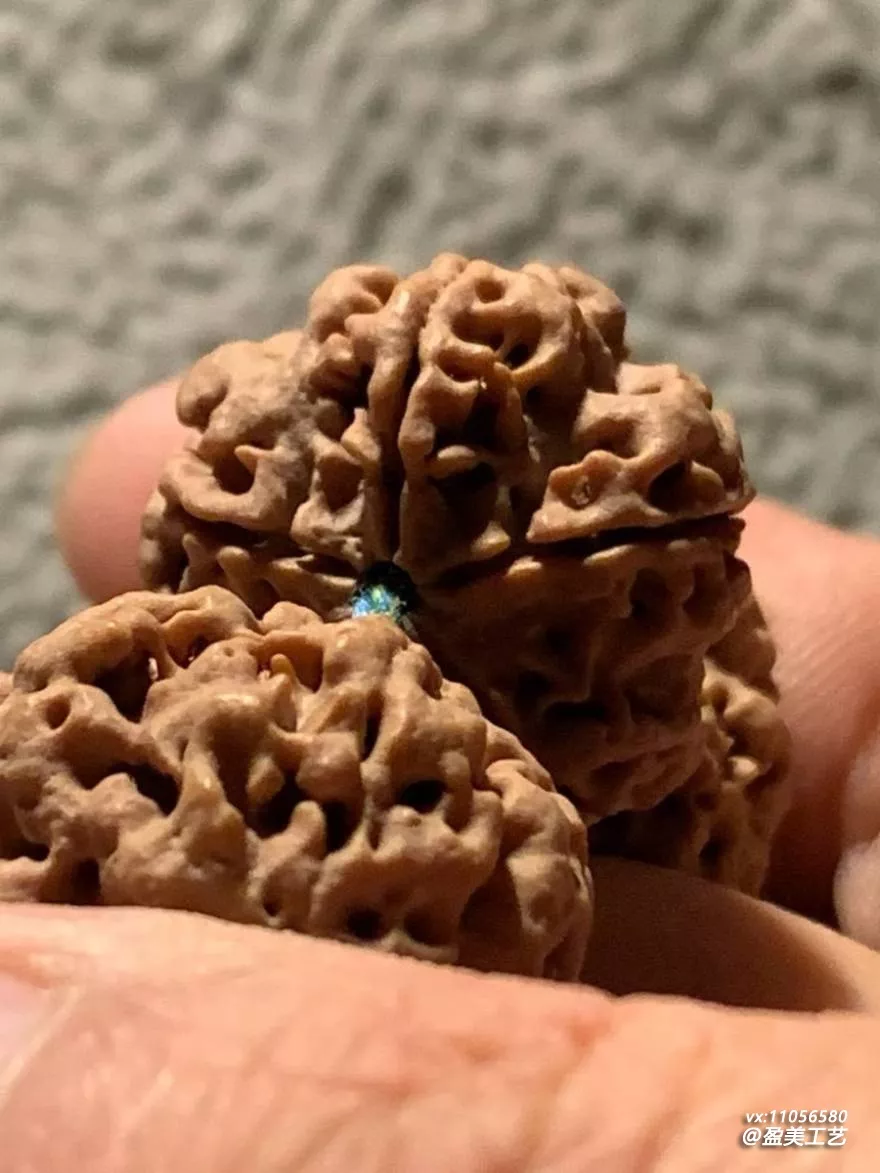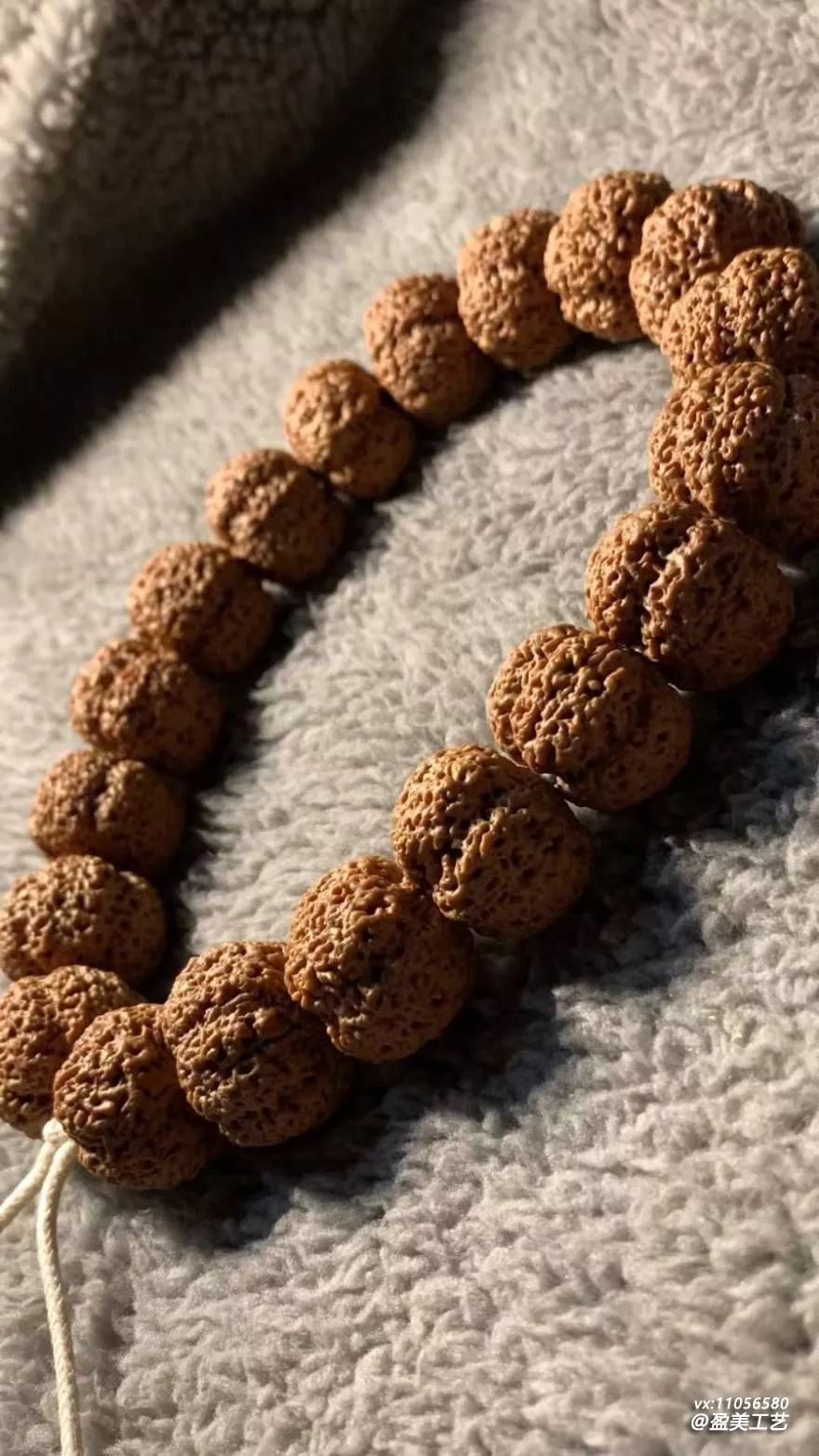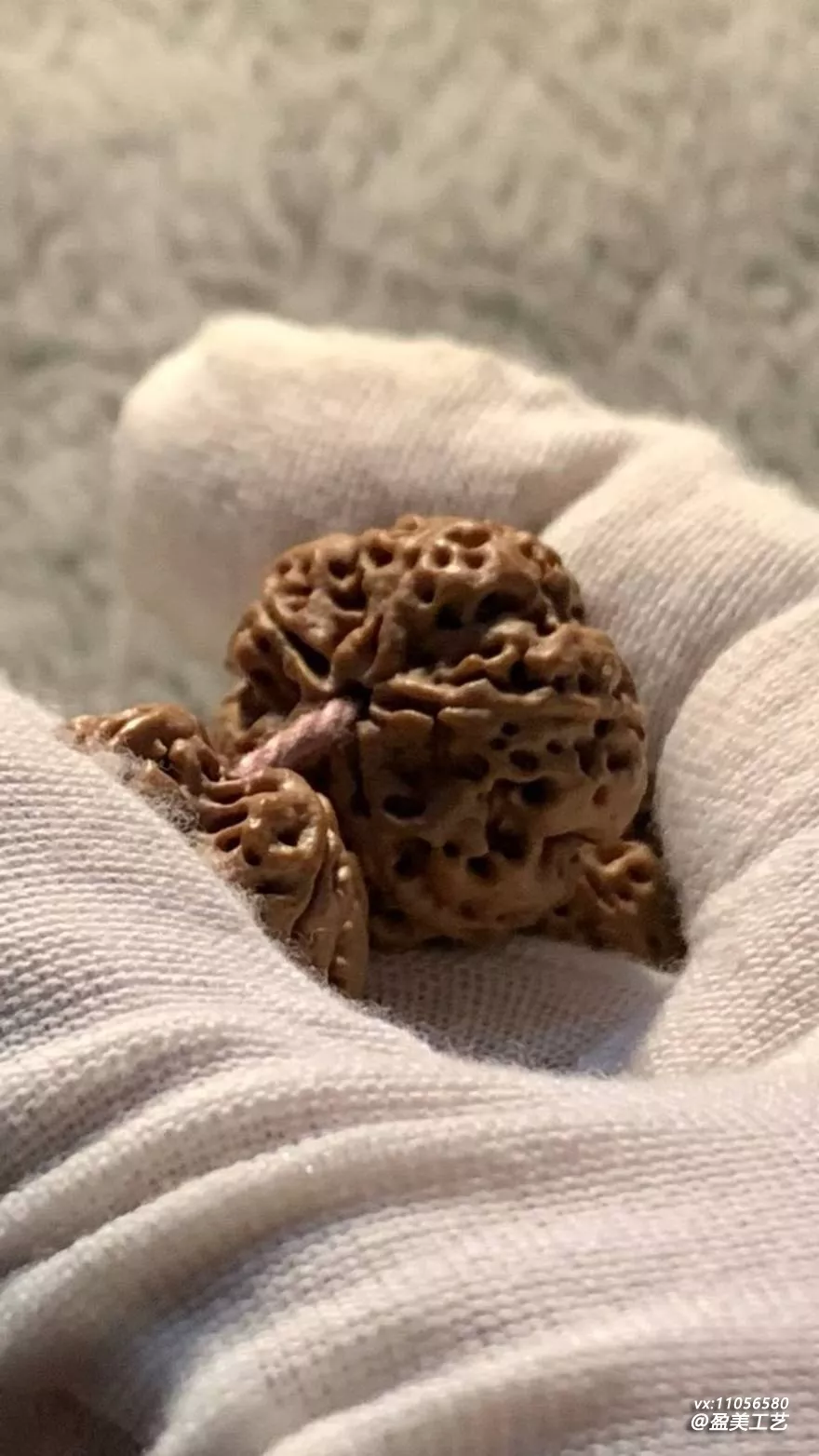
Don't panic if alkaline bloom appears—here's how to handle it on the Old Tree King 108. With 108 beads, alkaline bloom is more noticeable, which makes beginners even more anxious. Alkaline bloom is a normal phenomenon, and the solution is simple. Follow the method, and all 108 beads will come out clean.
Why alkaline bloom is so common
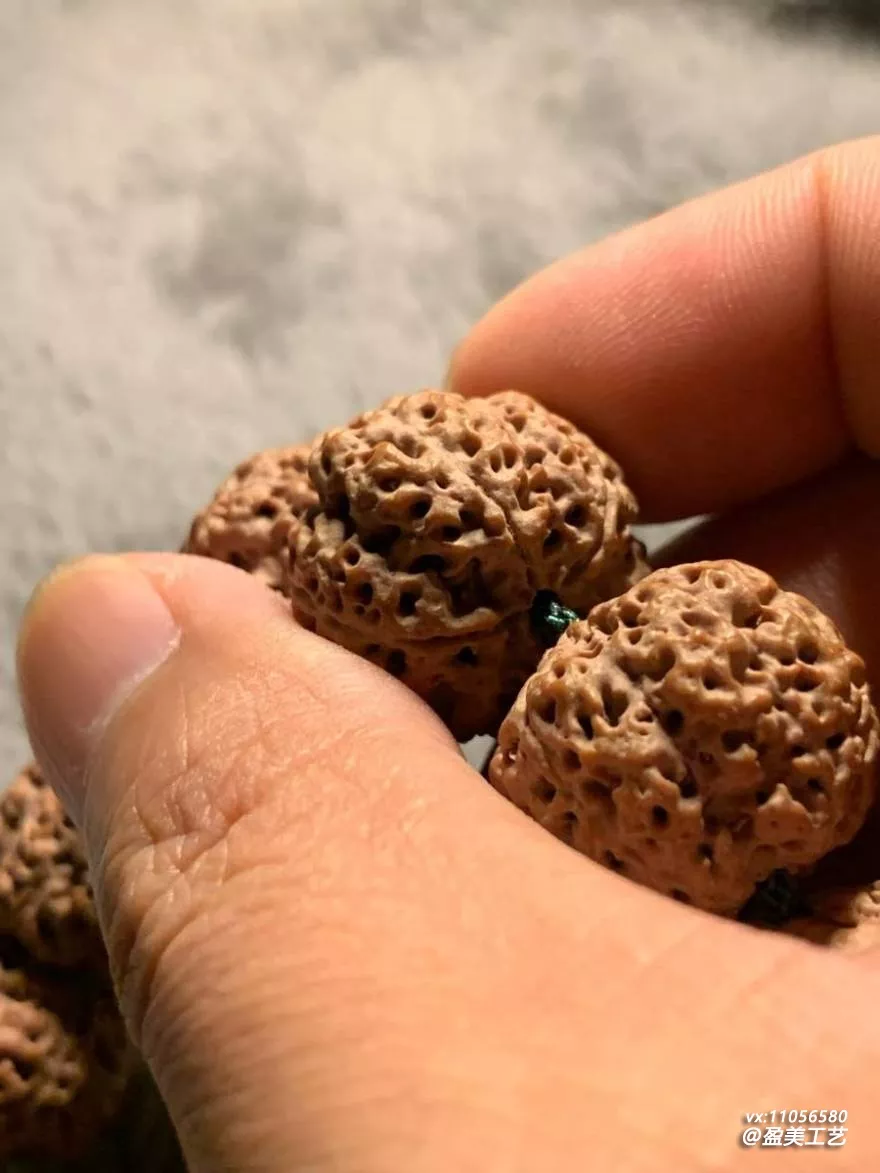
Why is alkaline bloom so common on a 108? With so many beads, any one of them can leach out alkaline bloom, making the whole mala look grayish-white; the grain is deep, so alkaline bloom hides in the crevices and stands out even more. Alkaline bloom is a normal reaction of the beads—it's not a quality issue, and it doesn't mean the mala is ruined. It's normal for a 108 to have a lot of alkaline bloom. Understanding this, you won't panic—it's a normal phenomenon, handle it normally.
How to deal with alkaline bloom on a 108
Dealing with alkaline bloom on a 108 comes down to brushing. Brush all 108 beads one by one—use a stiff brush to clean the crevices and a soft brush to polish, one to two hours a day, and keep at it. With so many beads, be patient when brushing—get every single one, don't miss any; for deep crevices, brush carefully along the grain. The alkaline bloom will gradually fade, and the 108 beads will slowly become clean. This process can't be rushed—just keep at it.
Things to watch out for
A few things to keep in mind: don't wipe with a damp cloth—with so many beads on a 108, that only makes it worse; don't apply oil—oiling during the alkaline bloom stage will clog the crevices; don't rush to handle it with your hands—brush it clean first, then handle it. Alkaline bloom is a normal phenomenon during the base-breaking-in stage. Deal with it by brushing—brush patiently, and the mala will be clean. Don't panic if alkaline bloom appears—handle the Old Tree King 108 this way, brush every bead clean, and the base will become clear.