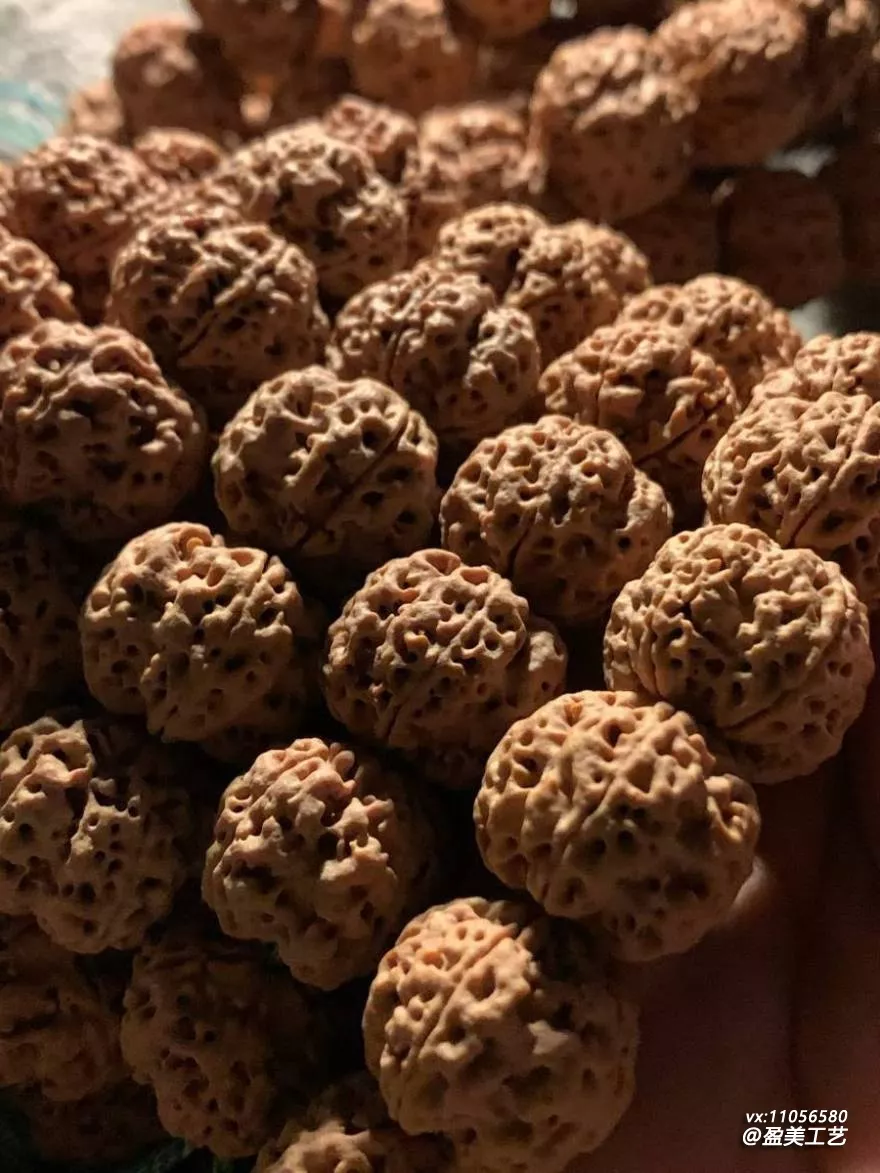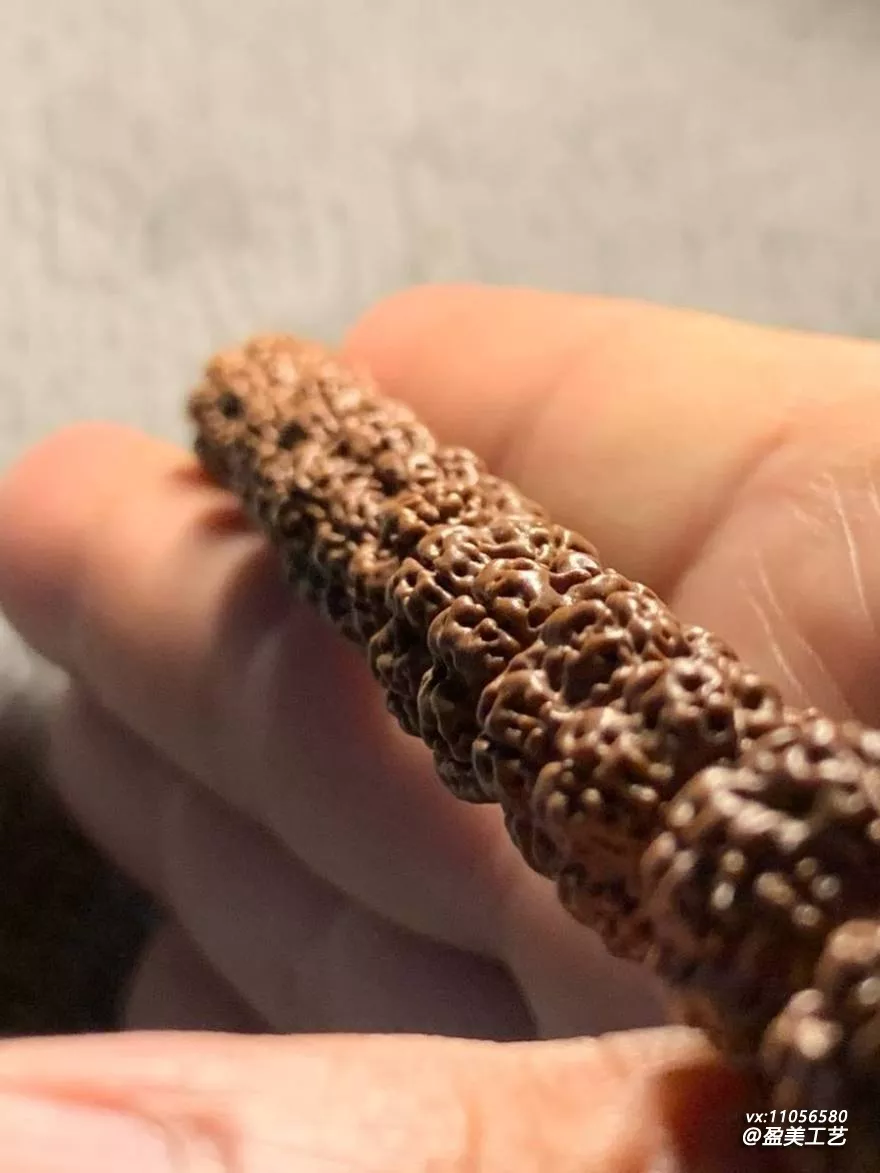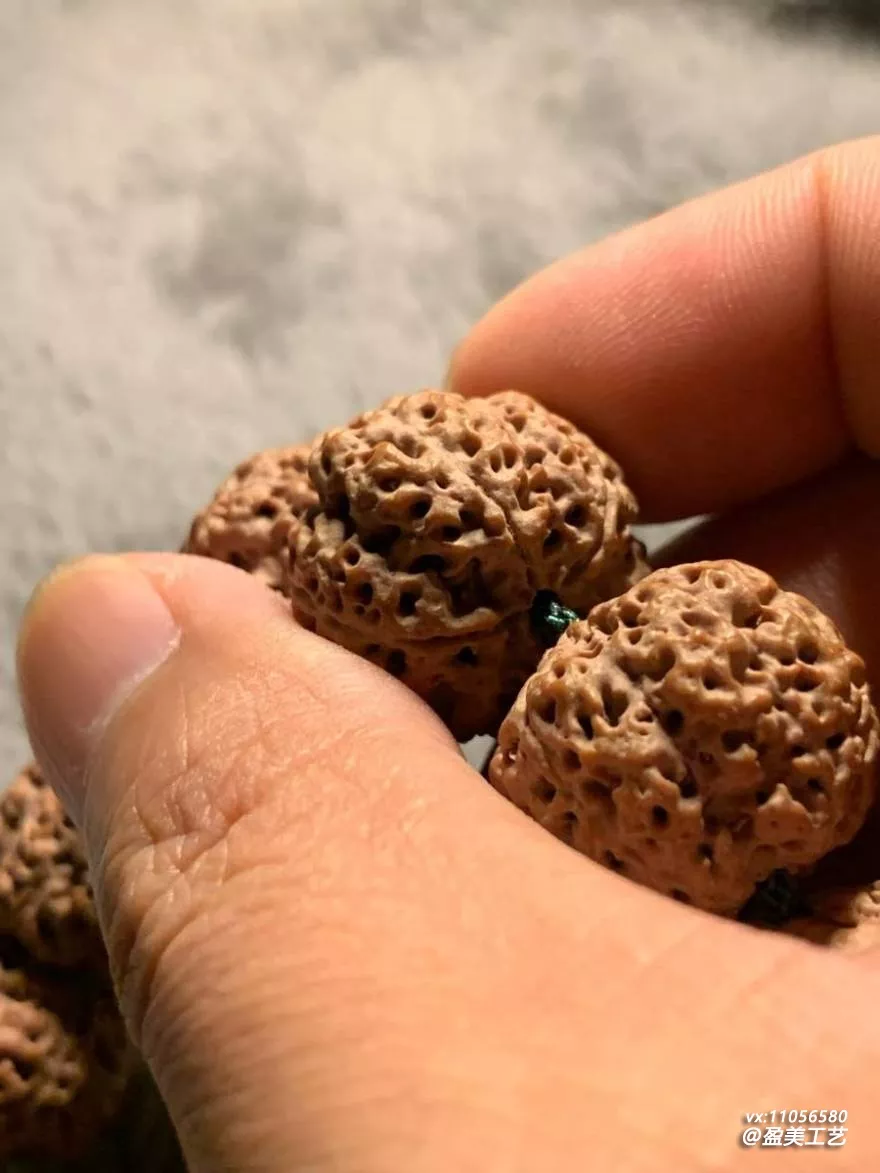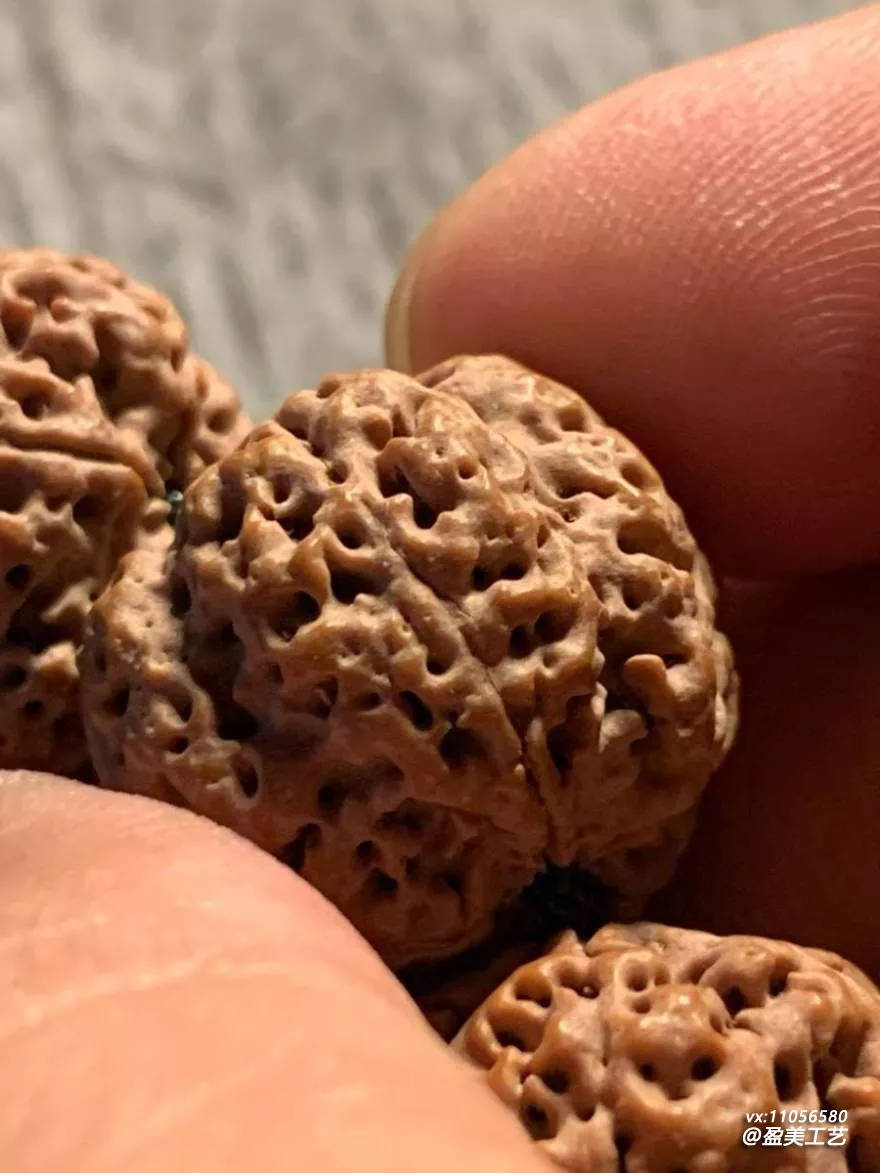
If the color of Pingxi 108 beads fades, is it dyed or normal? With many beads in a 108-bead mala, color fading is visually obvious, which easily panics beginners. Color fading can be either normal or due to dyeing. Here is how to distinguish between them so you can stop scaring yourself.
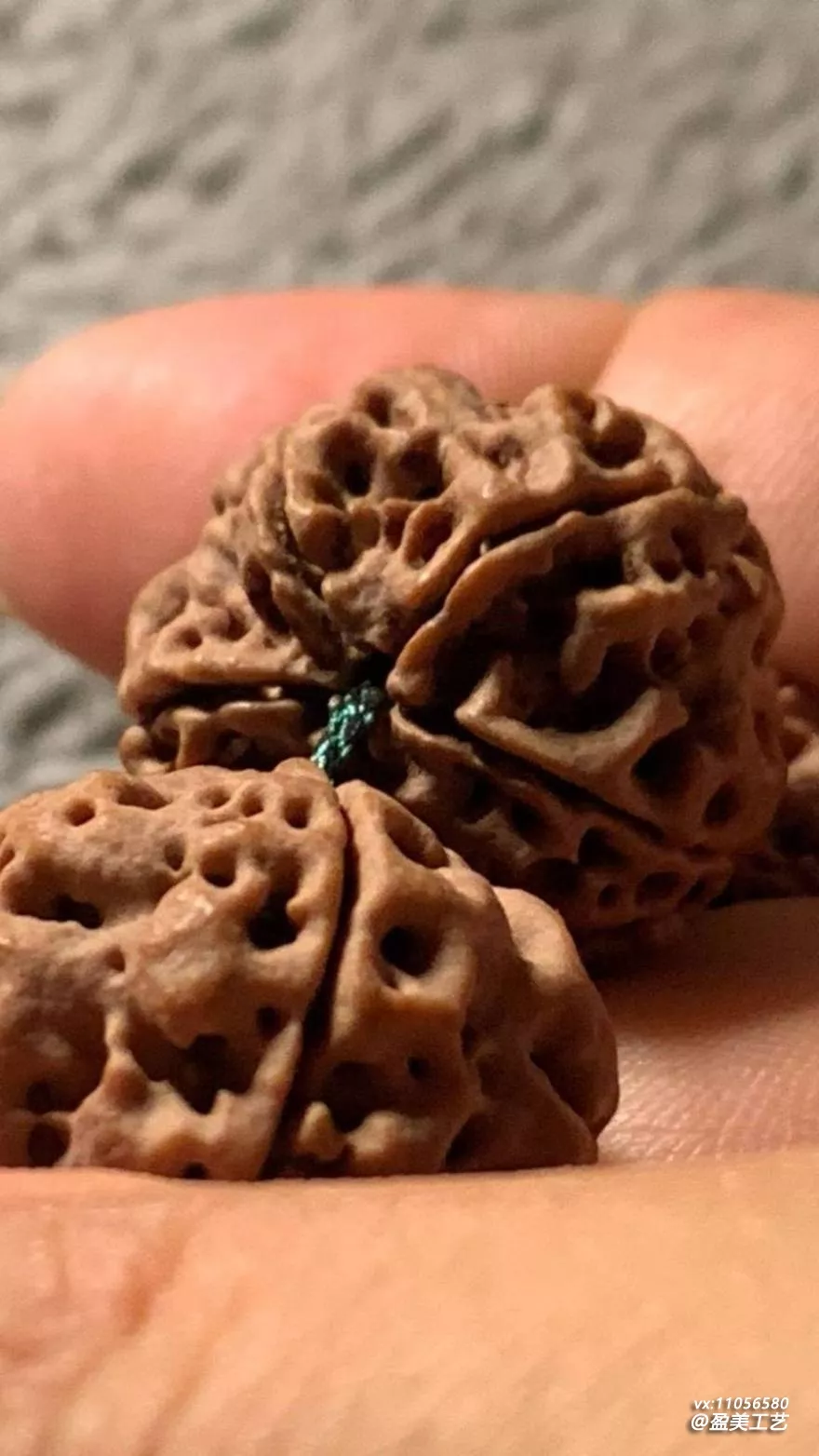
Signs of Normal Color Fading
Normal color fading also happens to Pingxi 108 beads. In the early stages of a new mala, the superficial color on the surface of the beads rubs off, causing the mala to lose color and stain your hands with a faint reddish-brown tint; this is normal. Pingxi beads are small with less superficial color, so the fading might not seem obvious, but because there are many beads, it accumulates and becomes noticeable. Once the superficial color is rubbed off, it stops. Generally, the fading ceases after a month or two. You can confidently continue the breaking-in (patina process) on a 108-bead mala with normal color fading.
Signs of Color Fading from Dyeing
Color fading from dyeing behaves differently. The dyes used on dyed Pingxi beads will fade over time from playing, and the fading color looks dull and lifeless, with the entire mala losing color noticeably. The surface color of the mala appears artificially bright, and after breaking-in (patina process) for a while, it becomes blotchy. Because Pingxi beads are small, the dye adheres superficially and fades even faster. The color looks unnatural, making it clearly distinguishable from normal fading upon close inspection.
Distinguishing and Handling
How to distinguish? Look at the fading color: a natural reddish-brown is normal, while a dull and unnatural look means it's dyed. Look at the mala's surface color: a natural transition is normal, while an artificially bright look means it's dyed. You can ignore normal color fading and just continue the breaking-in (patina process). For fading due to dyeing, you need to take action: stop the breaking-in (patina process) and contact the seller. If Pingxi 108 beads lose color, determine whether it is dyed or normal by observing the color. If it's normal, rest easy; if it's dyed, handle it accordingly.