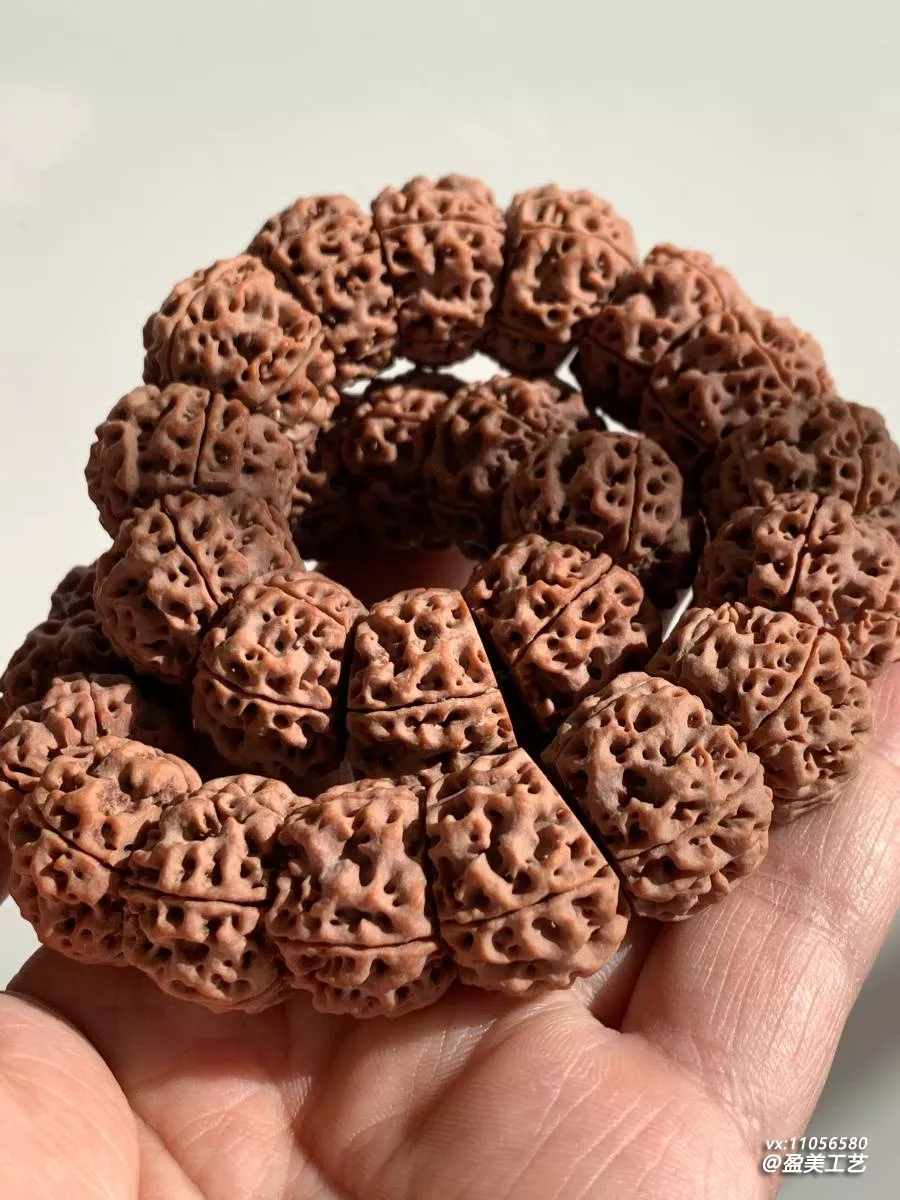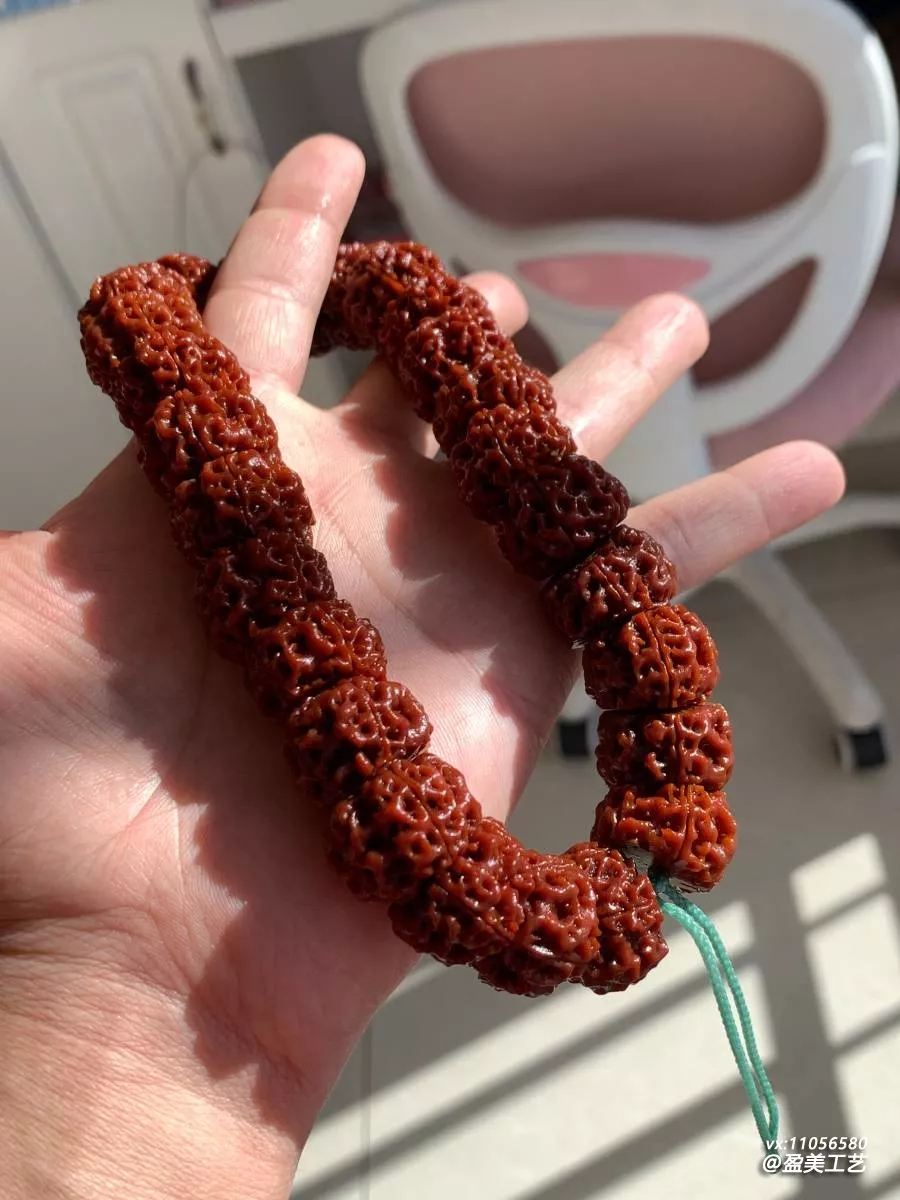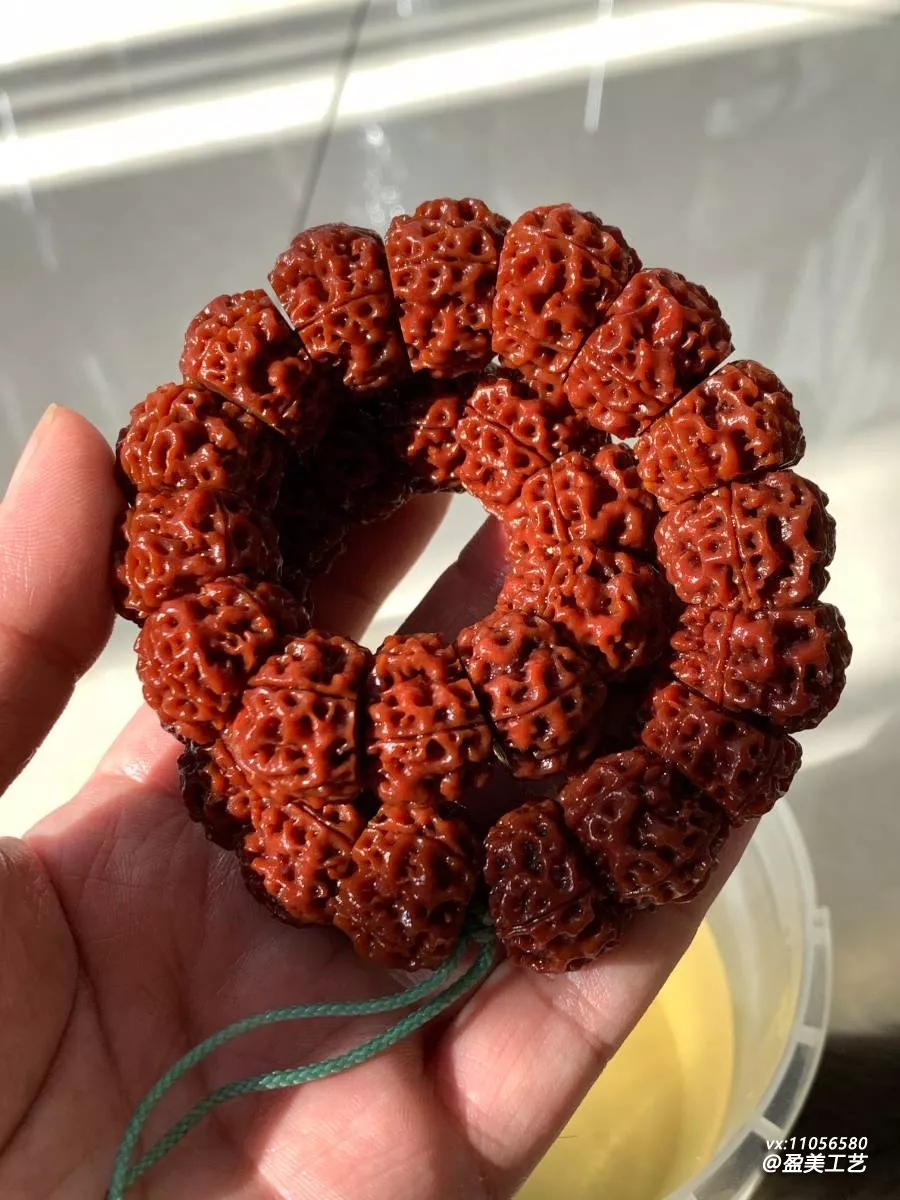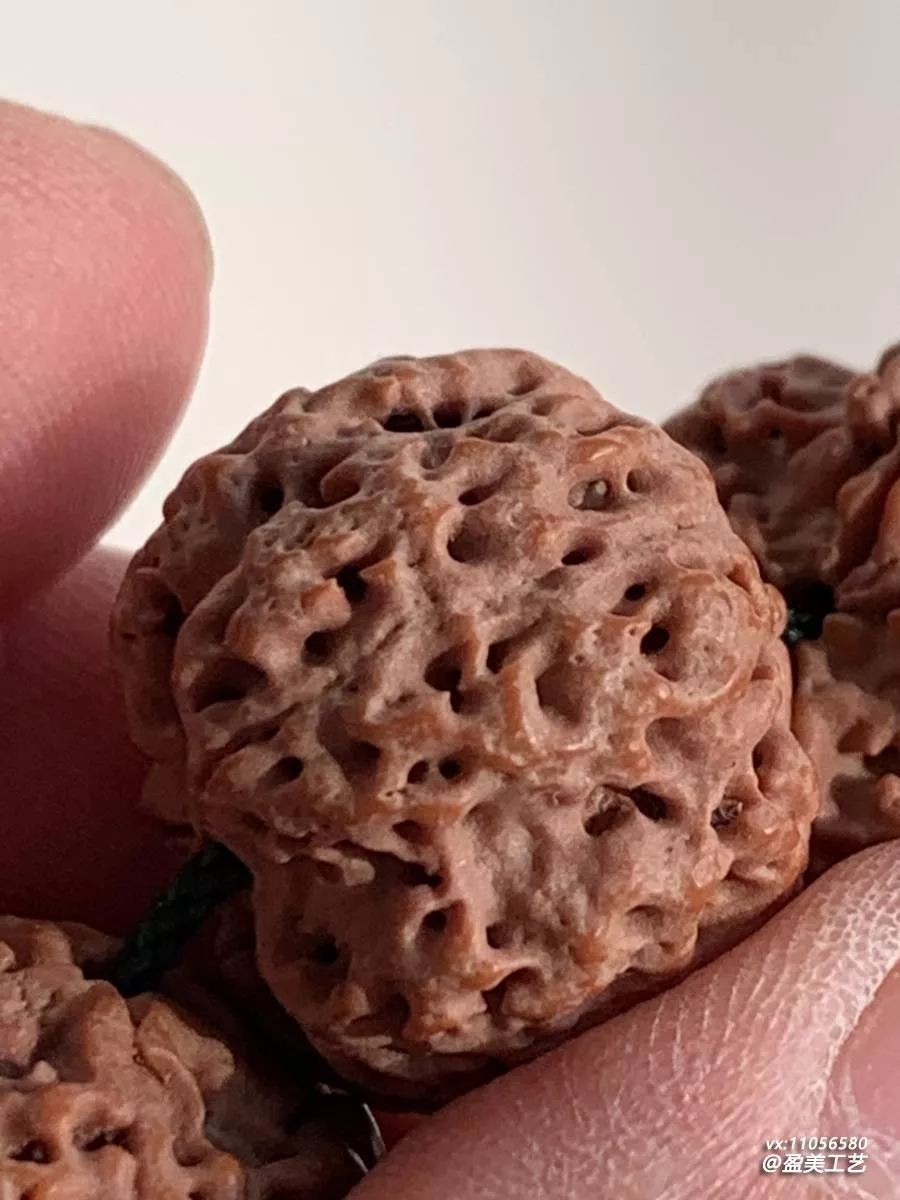
How do you judge collectible value? Don't look only at the number of mukhi when it comes to Rudraksha (large). When it comes to the collectible value of Rudraksha (large), many people's first reaction is to look at the number of mukhi—the more mukhi, the more valuable. In fact, the number of mukhi is only superficial; what truly determines collectible value are a few other things.
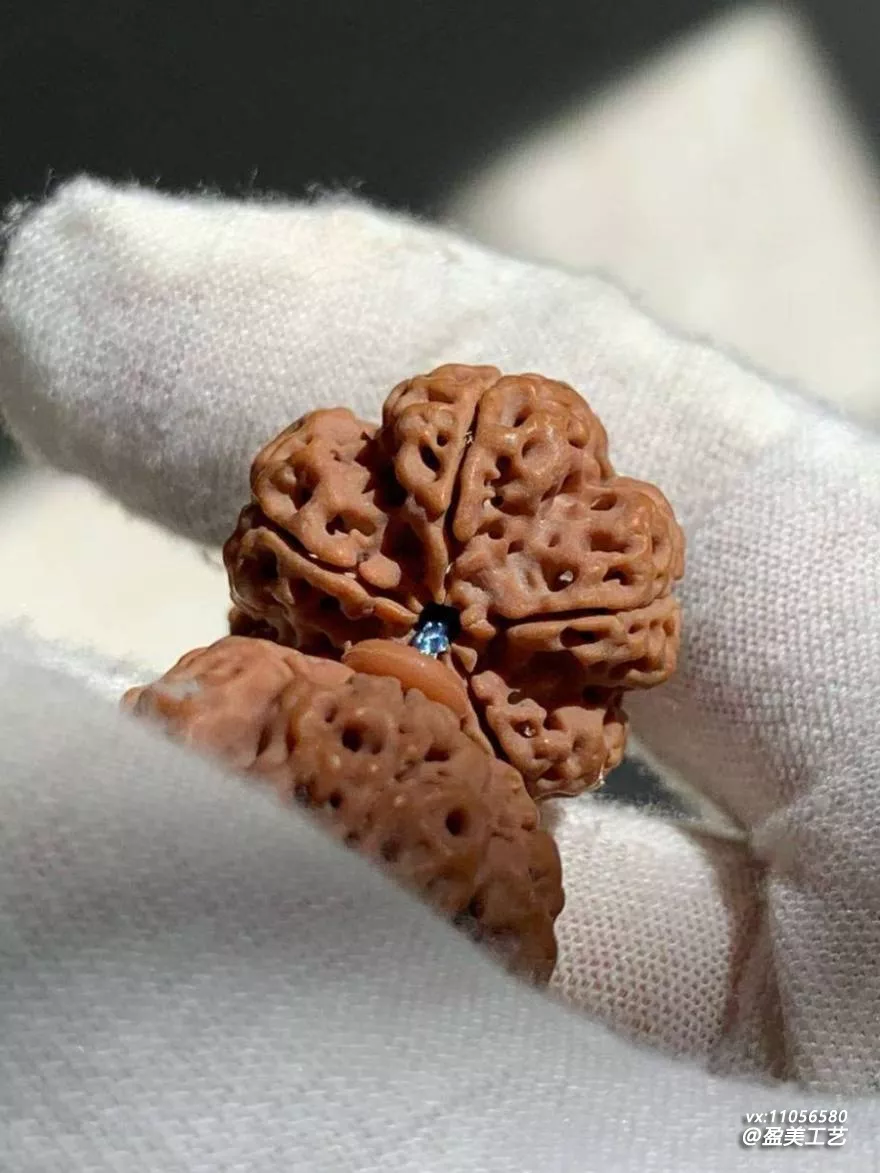
What to look at for collecting
What to look at for collecting: skin quality, density, grain, and bead shape—these are the real hard indicators. Oily, moist skin with high density breaks in well and has collectible value; regular grain and well-proportioned bead shape mean good condition and higher value. The number of mukhi is just a gimmick—skin quality and density are what really matter.
The misconception about the number of mukhi
The misconception about the number of mukhi: multi-mukhi malas are rare, so prices get hyped up, but multi-mukhi doesn't necessarily break in well; ordinary 5-mukhi breaks in beautifully and actually has more breaking-in (patina process) value. Don't spend extra money for more mukhi—multi-mukhi is a gimmick; skin quality and density are fundamental.
How to judge value
How to judge value: handle it to check skin quality and density, weigh it in your hand, and look at the grain and bead shape; then combine that with how it breaks in—only a mala that can break in to a good effect has collectible value. How do you judge collectible value? Don't look only at the number of mukhi when it comes to Rudraksha (large)—skin quality, density, grain, and bead shape are the real hard truths of value.
Playing with malas is about the process; collecting is about discernment. Don't look at the number of mukhi—look at skin quality and density, and only then will your mala truly be valuable and your eye truly sharp.