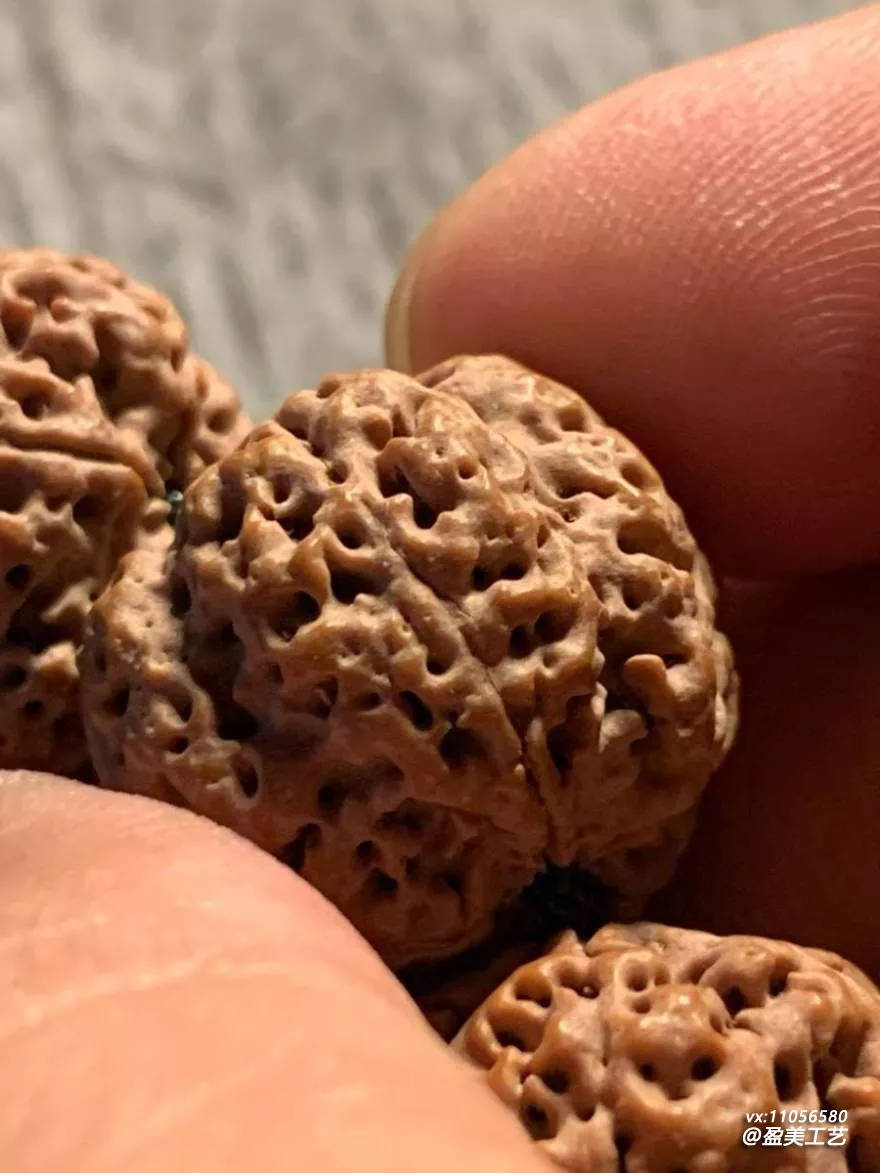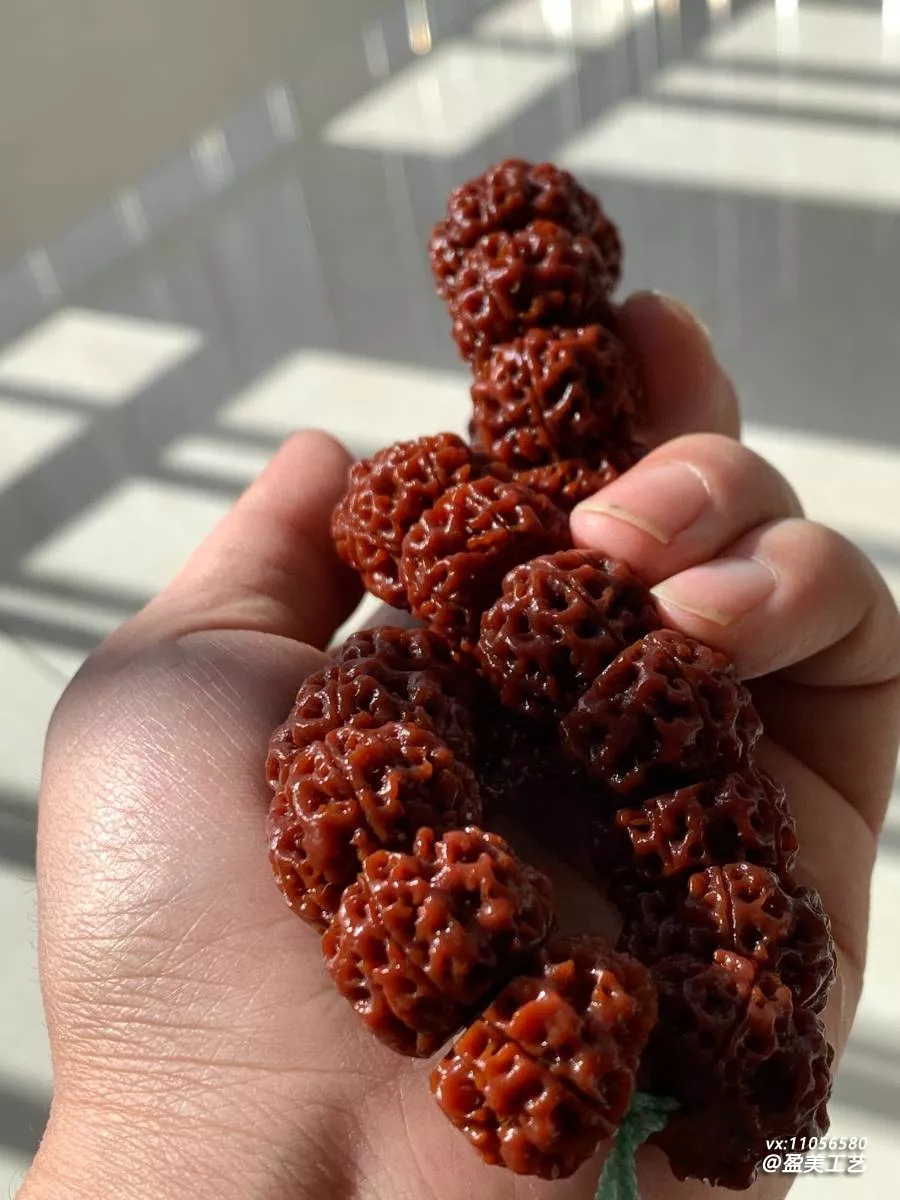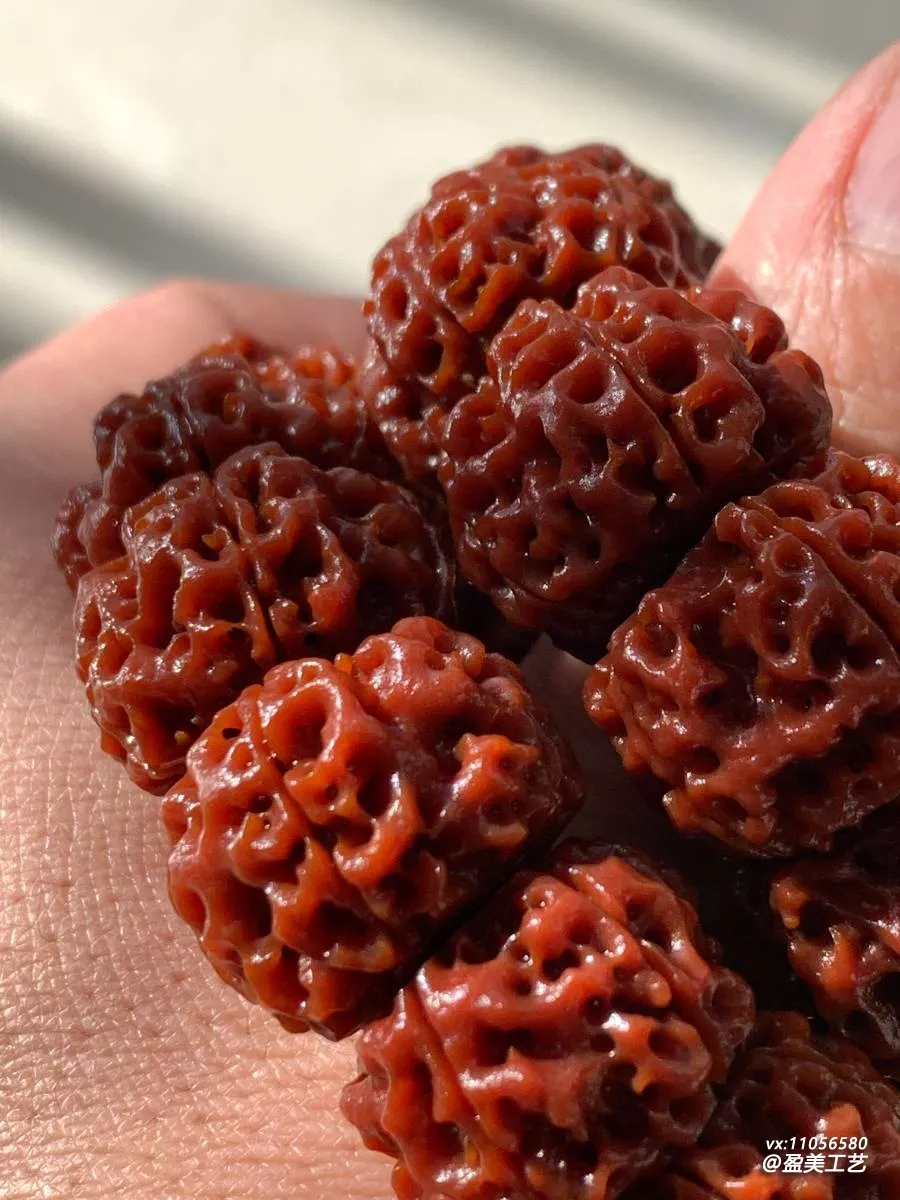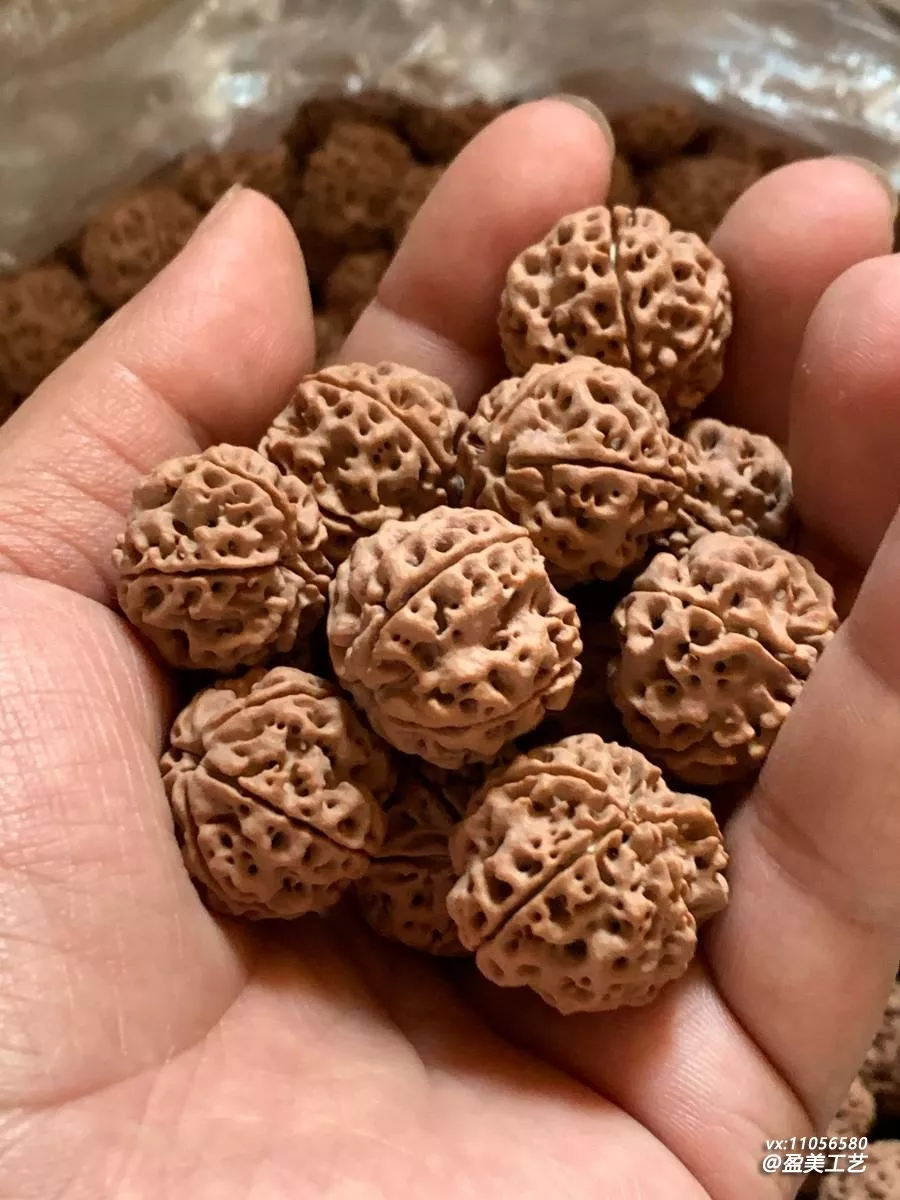
The single-loop Old Tree King mala is losing color. Is it dyed or normal? When a mala loses color, beginners tend to panic, worrying they bought a dyed mala. Color loss can be normal, but it can also be suspicious for dyeing. How to tell them apart? Once explained clearly, you'll know where you stand.
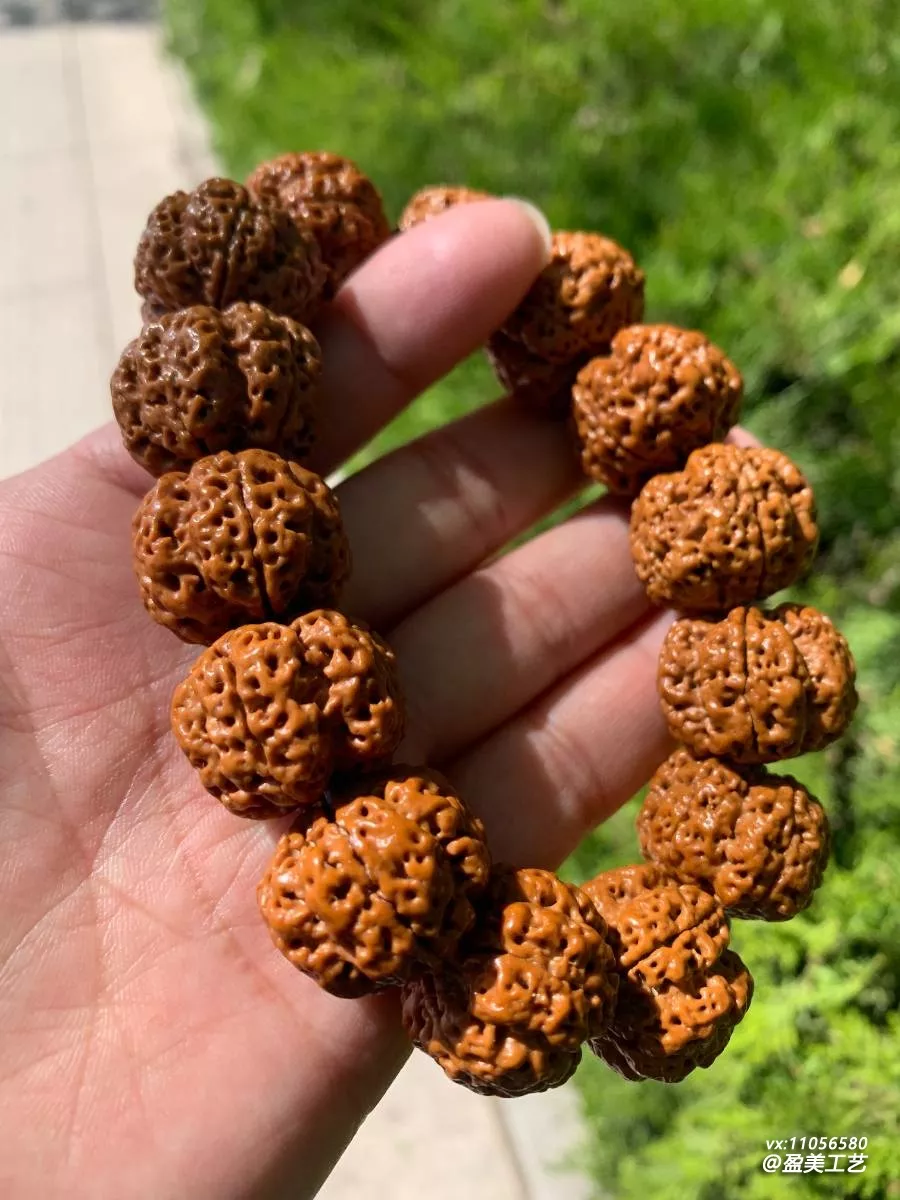
What does normal color loss look like?
Normal color loss is the shedding of surface color. In the early stages of breaking-in a new mala, the surface floating color and pectin of the seeds will rub off. The mala loses color and transfers onto your hands as a light reddish-brown; this is normal color loss. It stops once the floating color is rubbed off, usually after a month or two. A mala with normal color loss has a natural color; it's just the surface floating color shedding, so there's no need to worry.
What does dyed color loss look like?
Dyed color loss is the shedding of pigment. The pigment of a dyed mala will fade over time when breaking-in. The color loss looks dull and lifeless, transferring onto your hands in an unnatural color. Moreover, a dyed mala looks fake; it appears bright at first but becomes blotchy after breaking-in for a while. A mala with dyed color loss is shedding pigment, and the color looks artificial. This is significantly different from normal color loss and can be distinguished with careful observation.
How to distinguish and handle it
How to distinguish? Look at the color of the color loss: a natural reddish-brown is normal, while a dull and lifeless color means it's dyed. Look at the surface color of the mala: a natural transition is normal, while a fake and bright appearance means it's dyed. You don't need to worry about normal color loss; just continue breaking-in. Dyed color loss needs to be handled: stop breaking-in and contact the seller for a return or exchange. If the single-loop Old Tree King mala loses color, whether it's dyed or normal can be determined by the color. If normal, break-in with peace of mind; if dyed, handle it promptly.