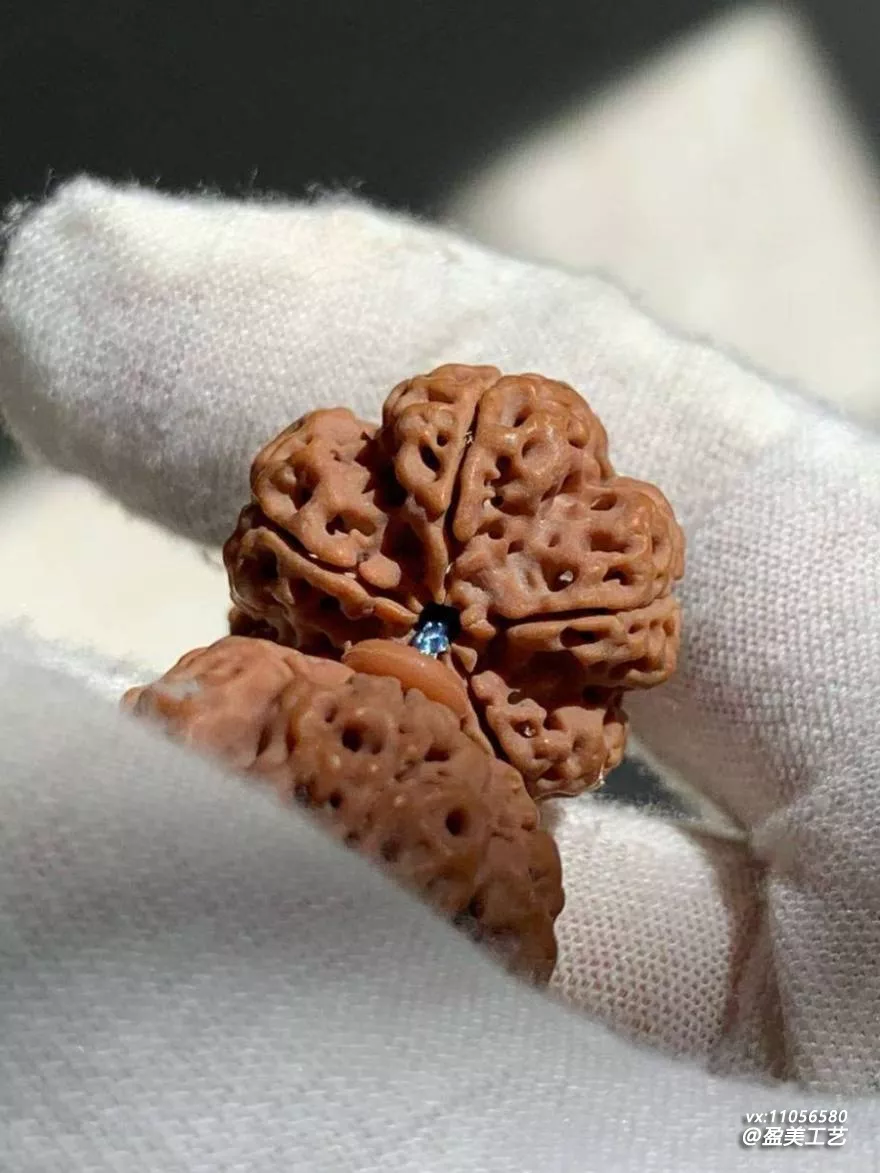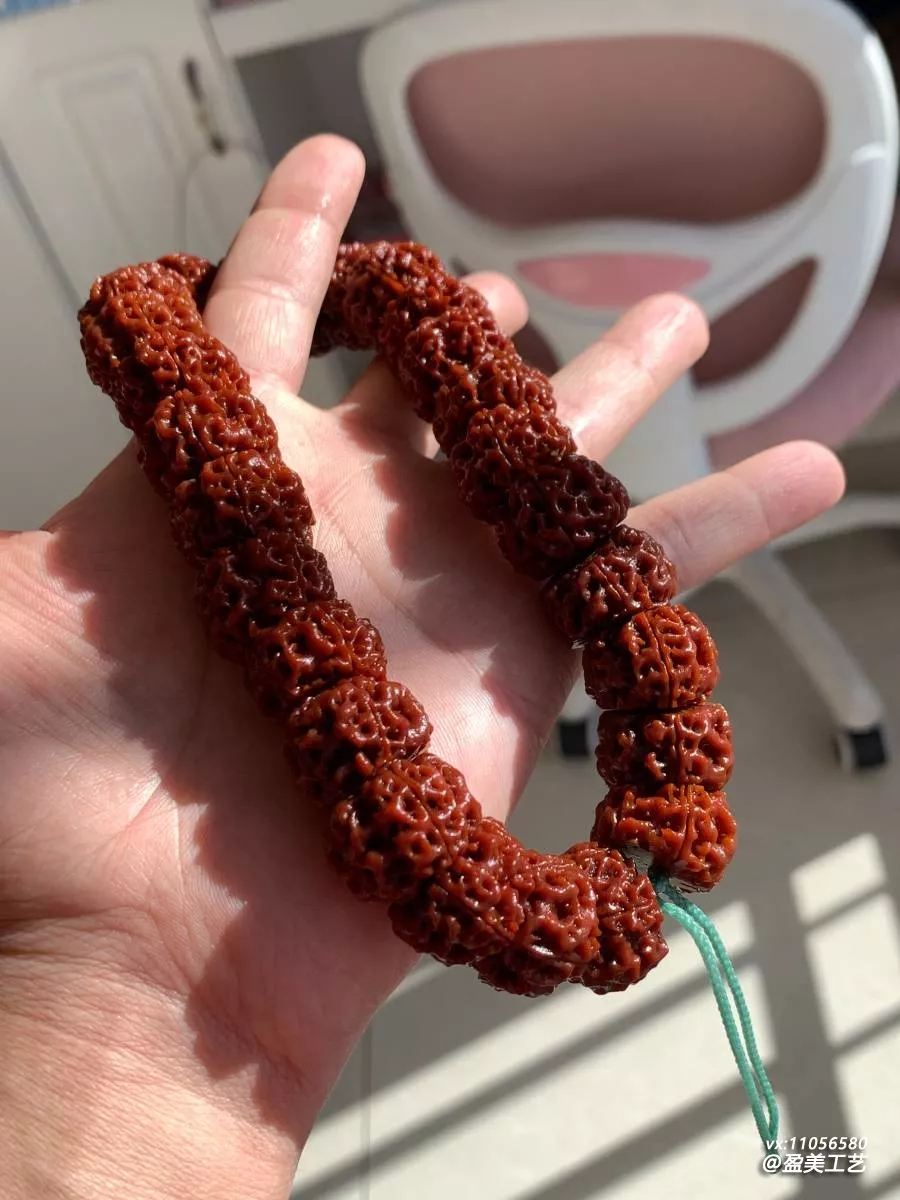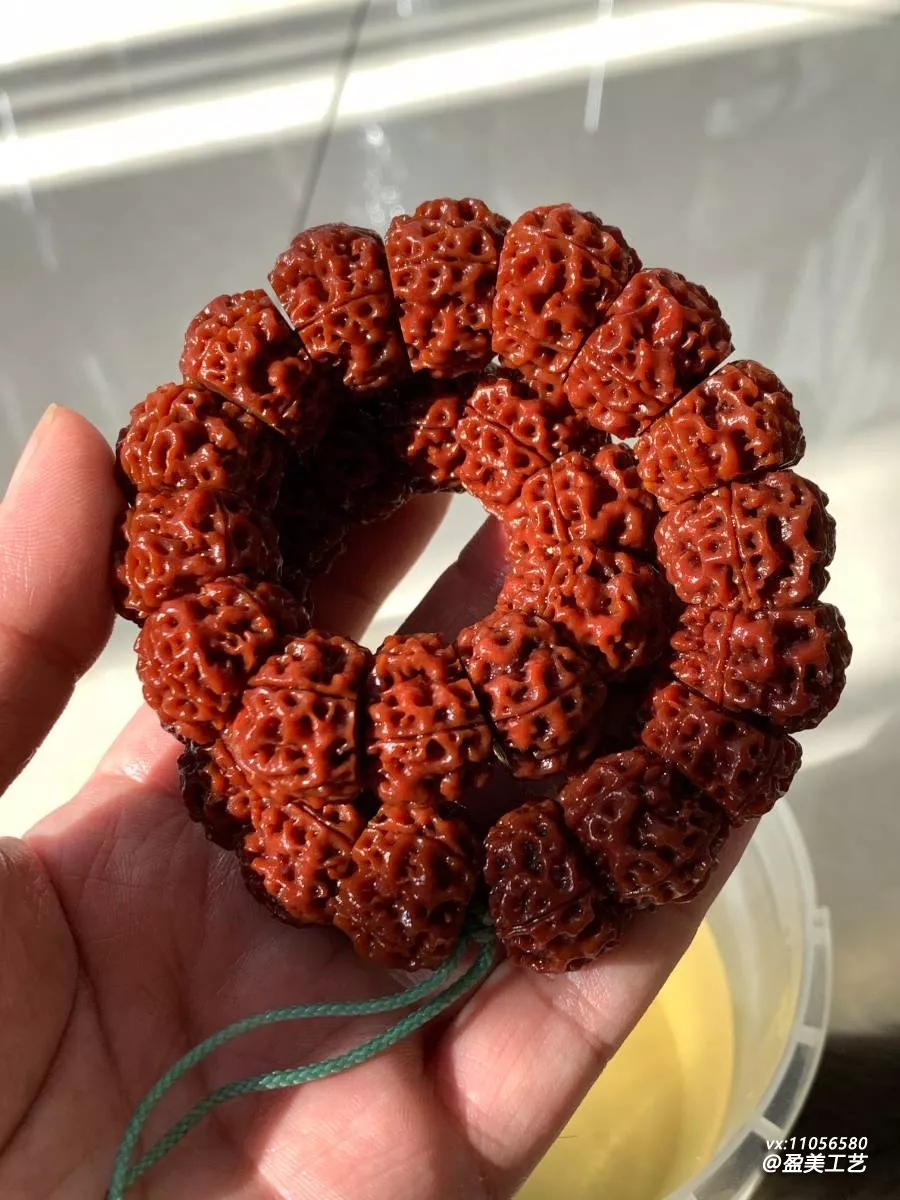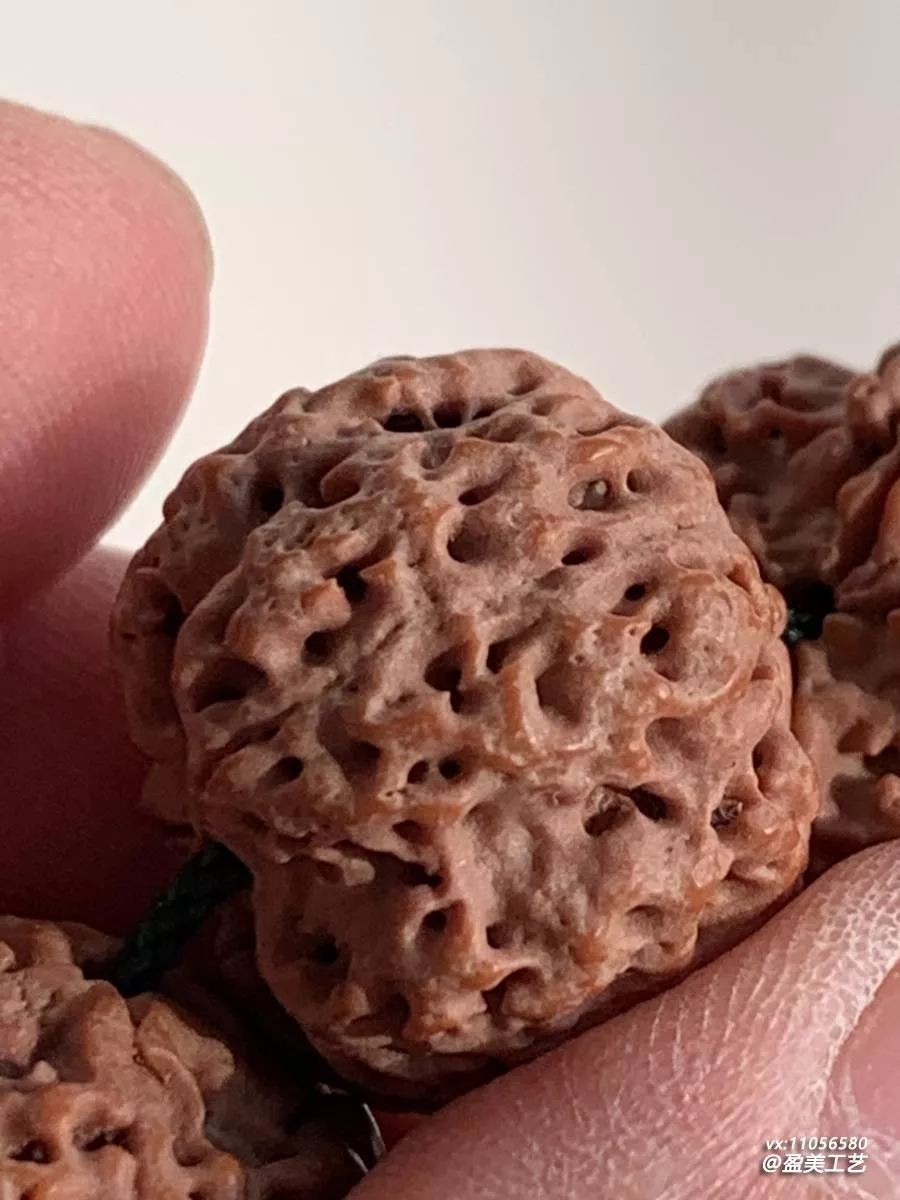
If your large Rudraksha feels rough to the touch, is it time to switch stages? As you keep working the mala, the feel suddenly turns rough, and you wonder if it's time to move to the next stage. Changes in feel follow a pattern—once you understand why it feels rough, you'll know how to respond.
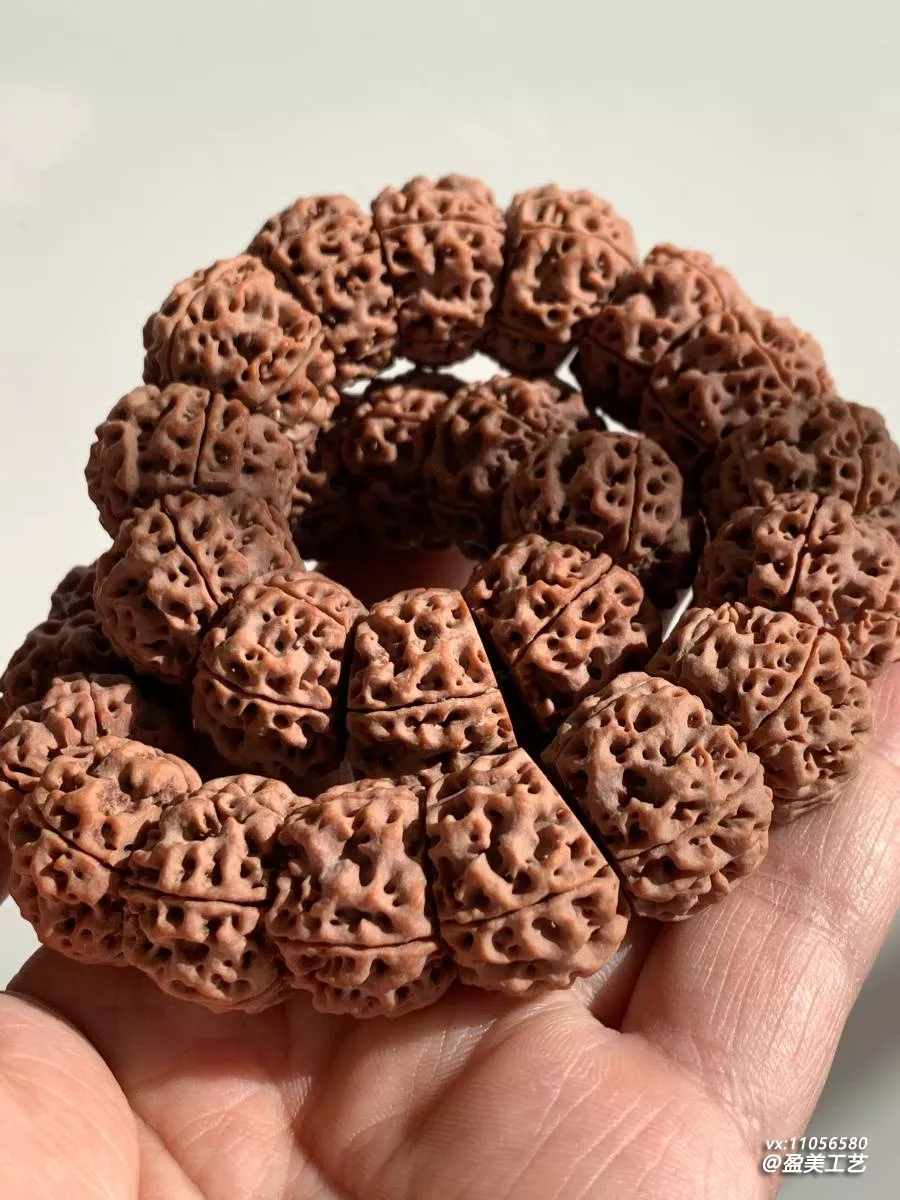
Why it feels rough
Reasons for roughness: alkaline bloom not fully brushed off, leaving a grayish-white surface that feels rough; sweat and oil buildup that has dried, making the surface dry and rough; or too-frequent breaking-in, causing an imbalance of sweat and oil on the surface. The cause determines the fix, so first identify which situation you're dealing with.
Should you switch stages when it feels rough
Whether to switch stages: if roughness comes from leftover alkaline bloom, you're still in the base-cleaning phase—keep brushing; if it's from sweat and oil buildup, you've been working it too much and brushing too little—adjust the ratio; if the surface feels dry, it's time to moisturize and ease off. Roughness isn't a signal to change stages; it's a signal to adjust your breaking-in method.
How to handle roughness
How to handle it: if alkaline bloom remains, keep brushing until it's clean and the roughness goes away; if sweat and oil have piled up, brush more and work less to keep the surface fresh; or place the mala in a sealed bag for a couple of days to let the sweat and oil absorb. A large Rudraksha that feels rough isn't telling you to switch stages—it's telling you to adjust your method. Address the cause, and the feel will smooth out.
Changes in feel are the mala's way of signaling you. Read them, adjust your technique accordingly, and the mala will become smoother with every session. Roughness isn't a bad thing—it's a reminder.