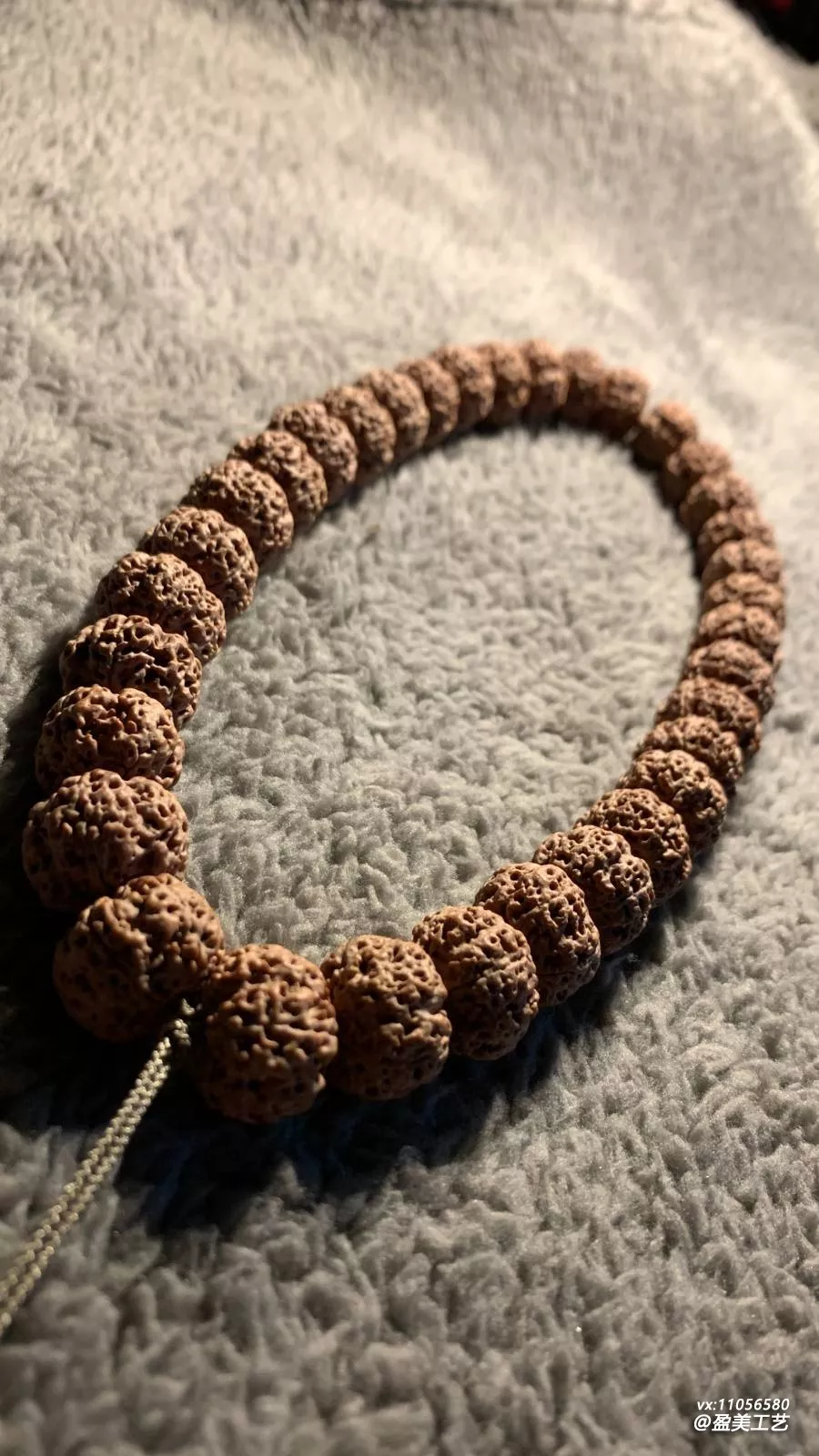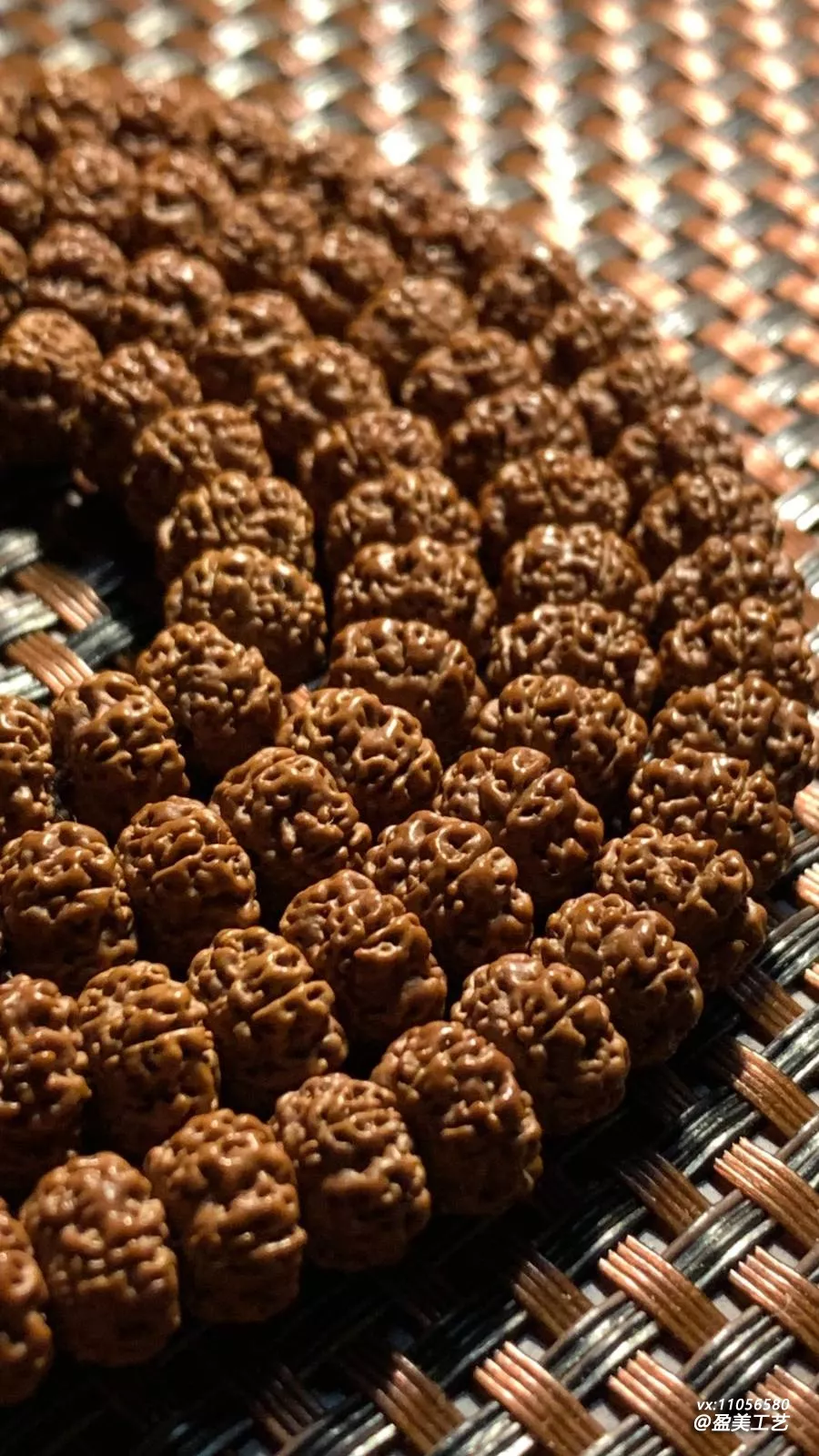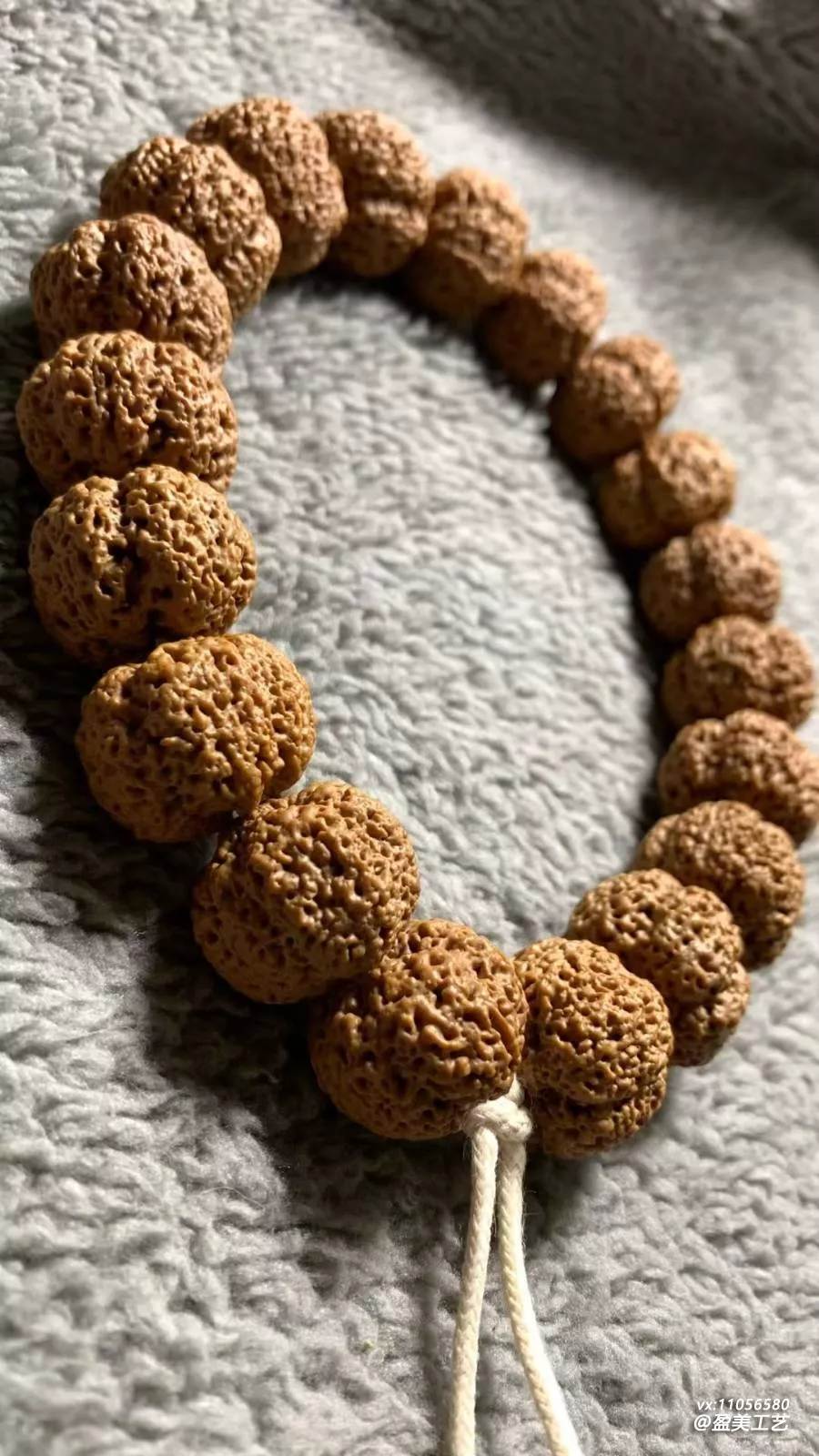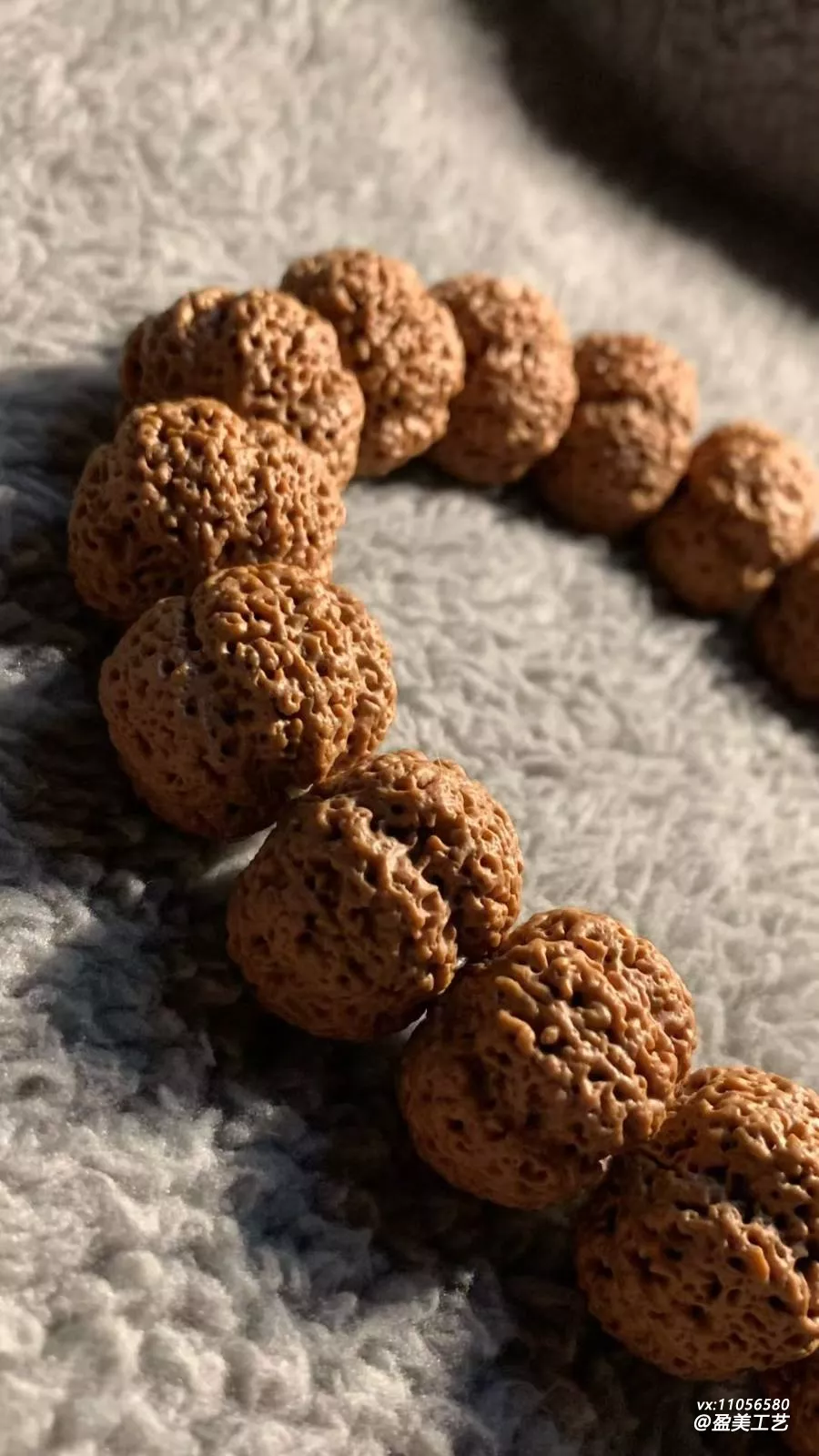
How to identify chemically treated seeds? For large Rudraksha, these two spots are the most obvious. The chemically treated seeds on the market look big and plump, but the actual shell is dry and won't develop a patina. How to identify chemically treated seeds? Look at these two spots most clearly, and you won't get cheated once you learn.
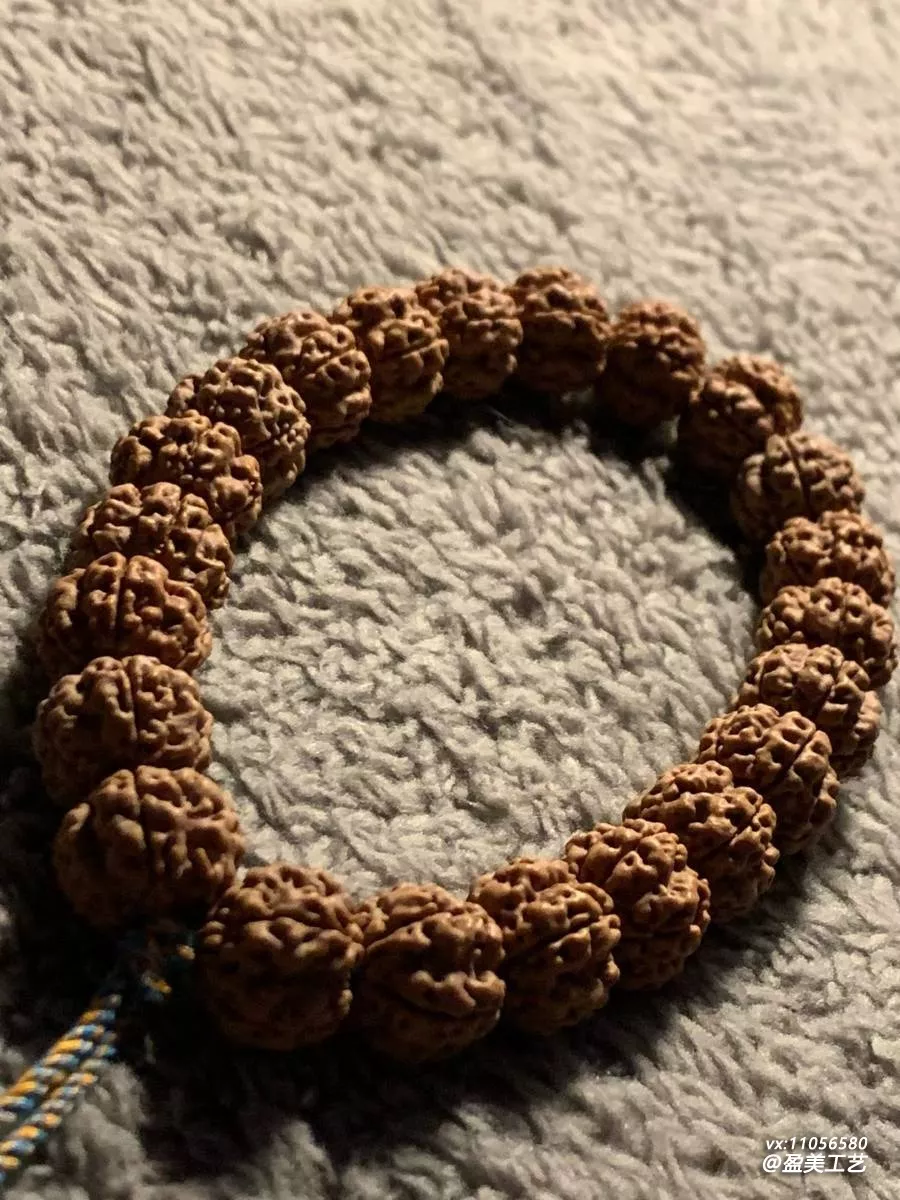
Check the shell
Check the shell. The shell of chemically treated seeds is dry and rough, not oily to the touch, and the color is pale and light, unlike naturally matured seeds that are glossy. Seeds chemically forced to grow larger have a weak shell, and this alone reveals part of the problem at a glance.
Check the grain and shape
Check the grain and shape. The grain of chemically treated seeds has weak fleshiness, looking plump but lacking three-dimensional texture; the shape is often tall and large, with unnatural proportions. Natural seeds have angular grain and balanced shape. By comparison, the traits of chemically treated seeds are very obvious.
Overall judgment
Overall judgment: a dry shell plus an unnatural shape—if both traits are present, you can basically confirm it is a chemically treated seed. Also check the weight as a supplement; chemically treated seeds have low density and feel lighter. How to identify chemically treated seeds? For large Rudraksha, these two spots are the most obvious: a dry shell and an unnatural shape. Recognize them and don't buy.
Chemically treated seeds are a trap for beginners. Once you learn these two traits, you will feel confident when browsing the market, won't be fooled by smooth talk, and can buy with clarity and play with peace of mind.