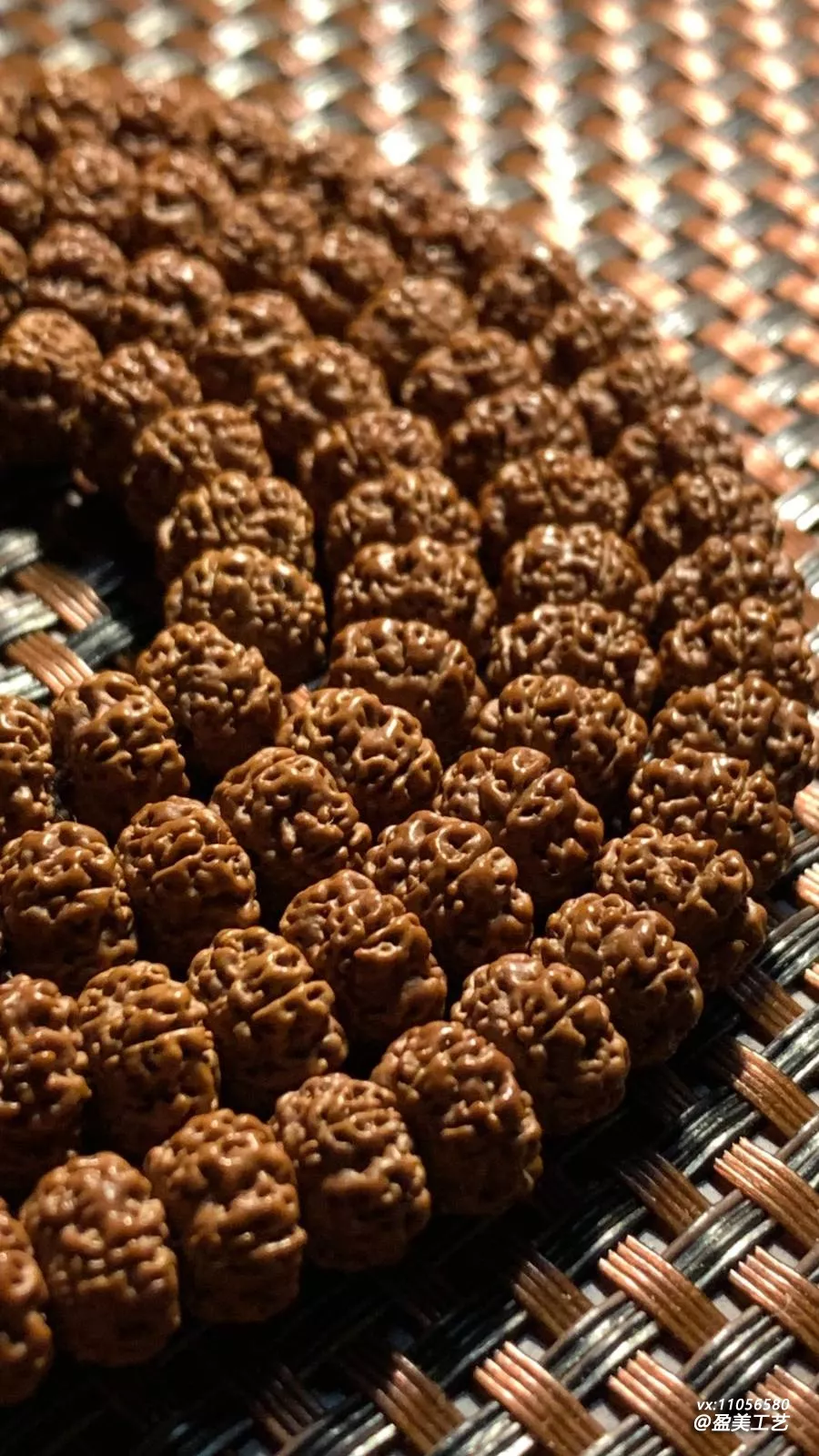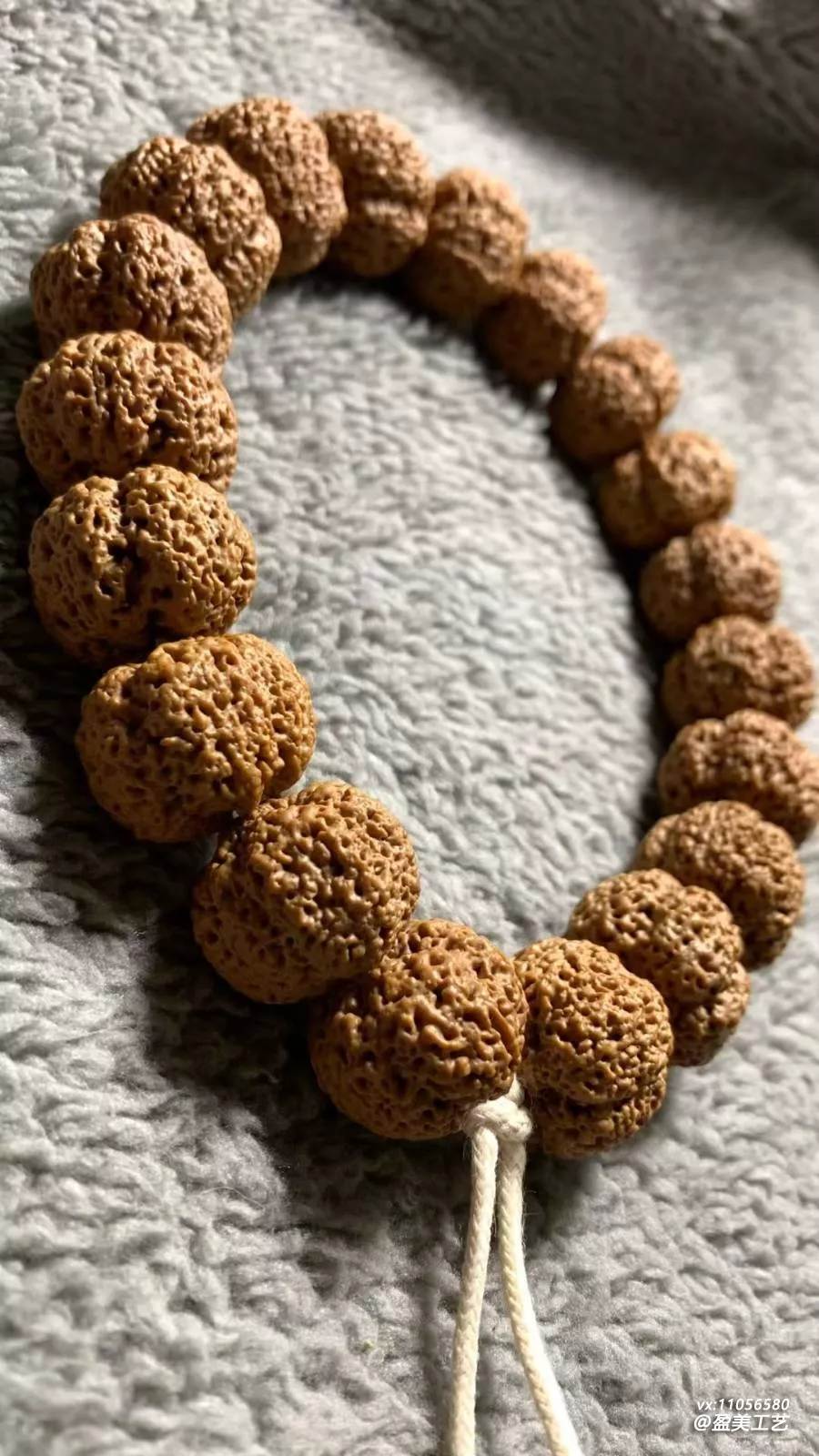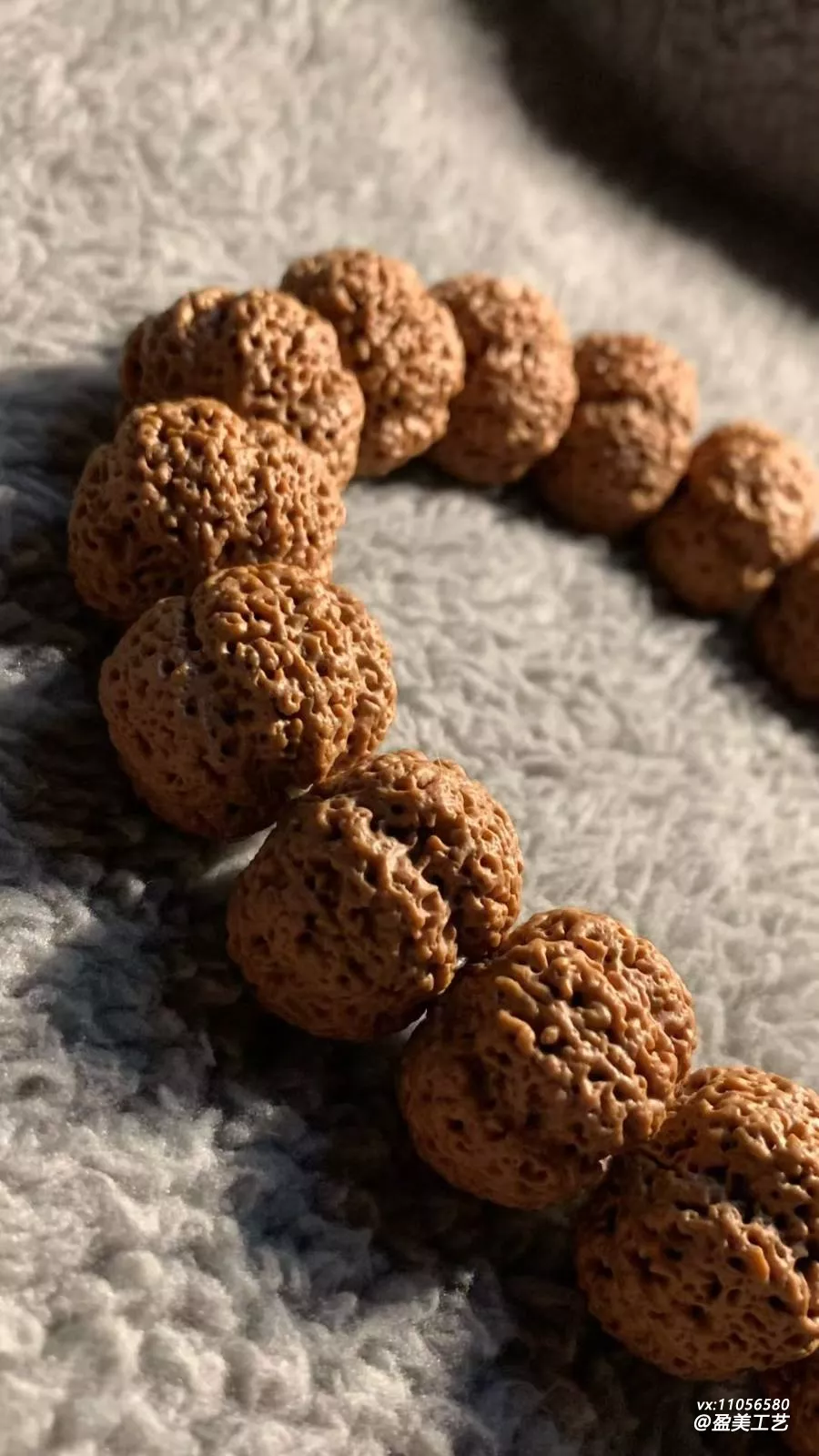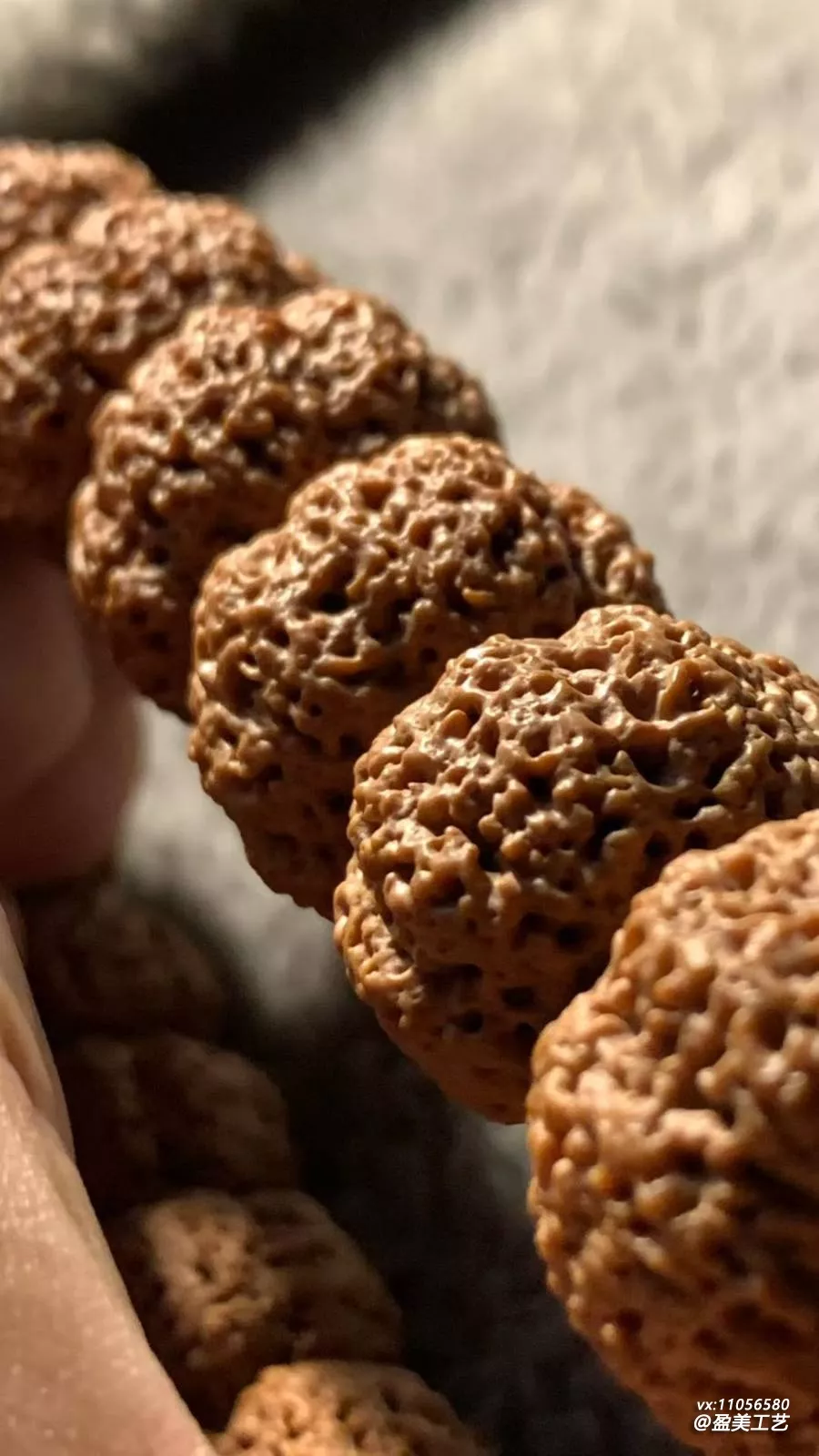
Avoid hollow seeds, check these features of Rudraksha (large) beforehand. When buying Rudraksha (large), the biggest fear is encountering hollow seeds. Hollow seeds have poor density, won't develop a patina during the breaking-in (patina process), and are a waste of money. Hollow seeds have identifiable features; if you recognize them in advance, you can avoid them.
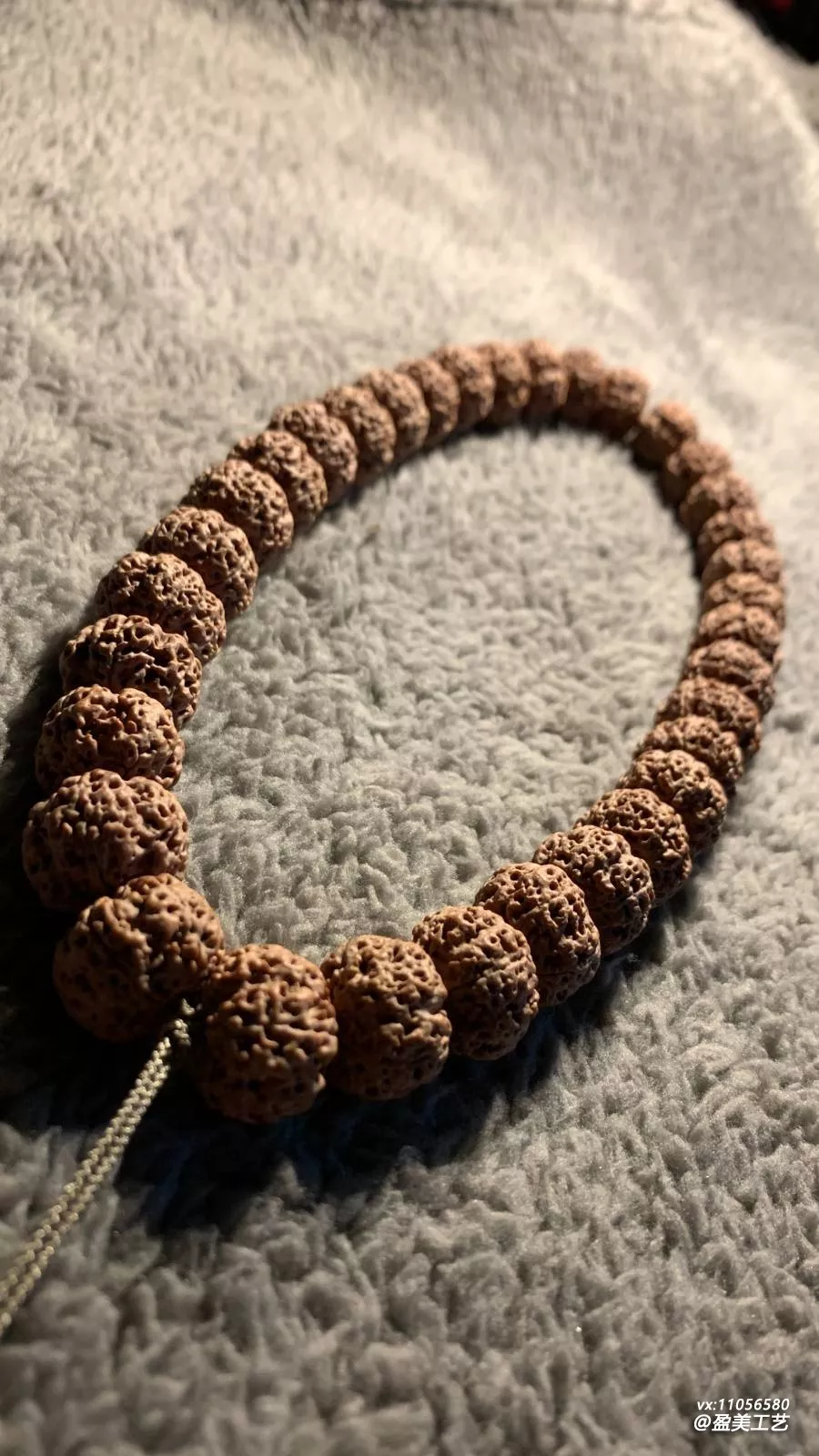
Features of hollow seeds
The features of hollow seeds are obvious at a glance: they are light in weight. For seeds of the same size, hollow seeds are noticeably lighter, which you can feel just by weighing them in your hand; the surface is dry and rough, lacking an oily luster, feeling woody to the touch; the husk is pale, the color is unnatural, looking as if it didn't ripen fully.
How to identify hollow seeds
How to identify hollow seeds: weigh them in your hand, be wary of light ones; feel the surface, those that are dry and woody are not good seeds; look at the husk, avoid those that are pale and dull. Another characteristic of hollow seeds is that they fail the water test; if you drop them in water and they float, they can basically be judged as hollow seeds.
How to avoid them when buying a mala (prayer beads)
How to avoid them when buying a mala (prayer beads): ask the seller for unedited photos to see the husk clearly; once received, first weigh them, feel the surface, and check the color; if possible, do a water test for more peace of mind. Don't buy hollow seeds, check these features of Rudraksha (large) in advance: light in weight, dry surface, pale husk. If it has all three, just walk away.
The biggest fear when buying a mala (prayer beads) is getting hollow seeds; they might look okay, but you only realize they are no good once you start the breaking-in (patina process). Remember the features, take an extra look before buying, save yourself a lot of wasted money, and feel much more confident in your choice of mala (prayer beads).