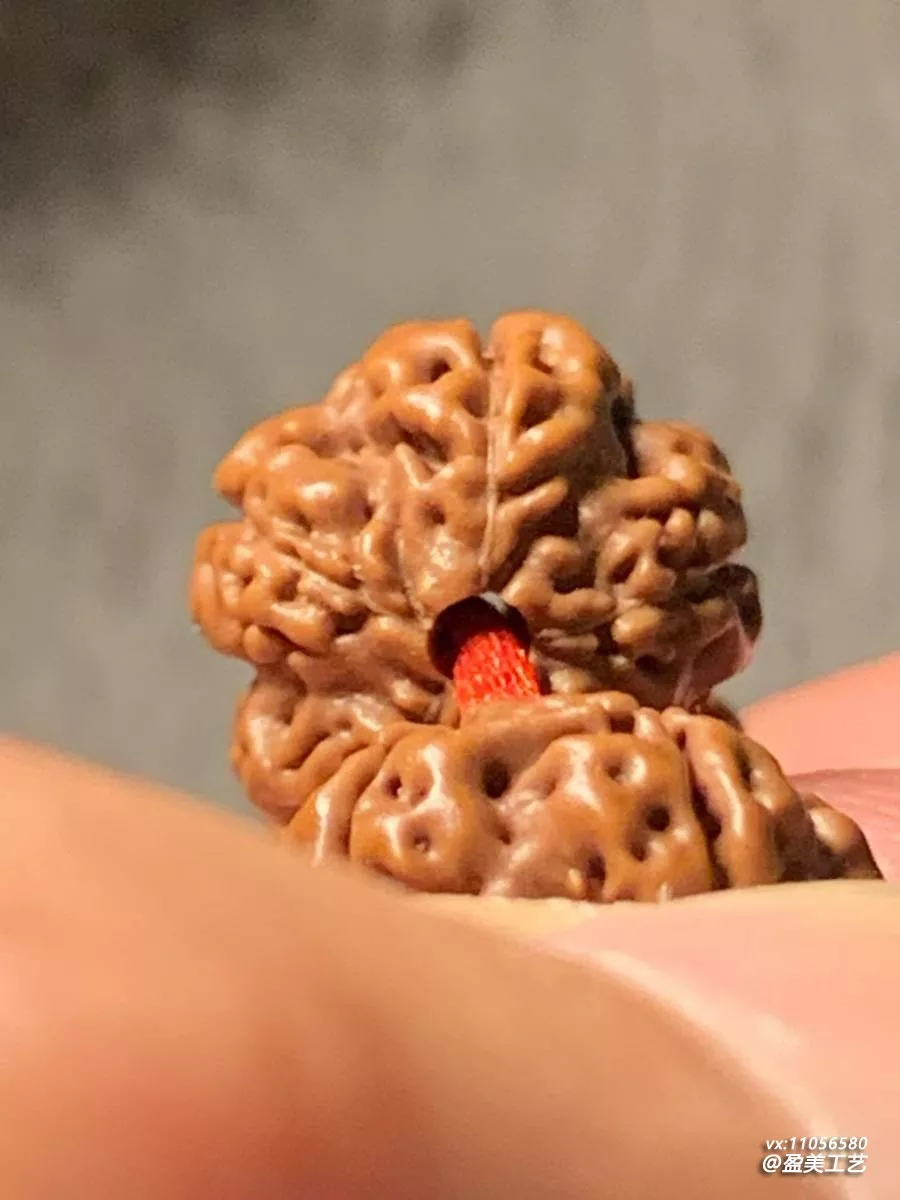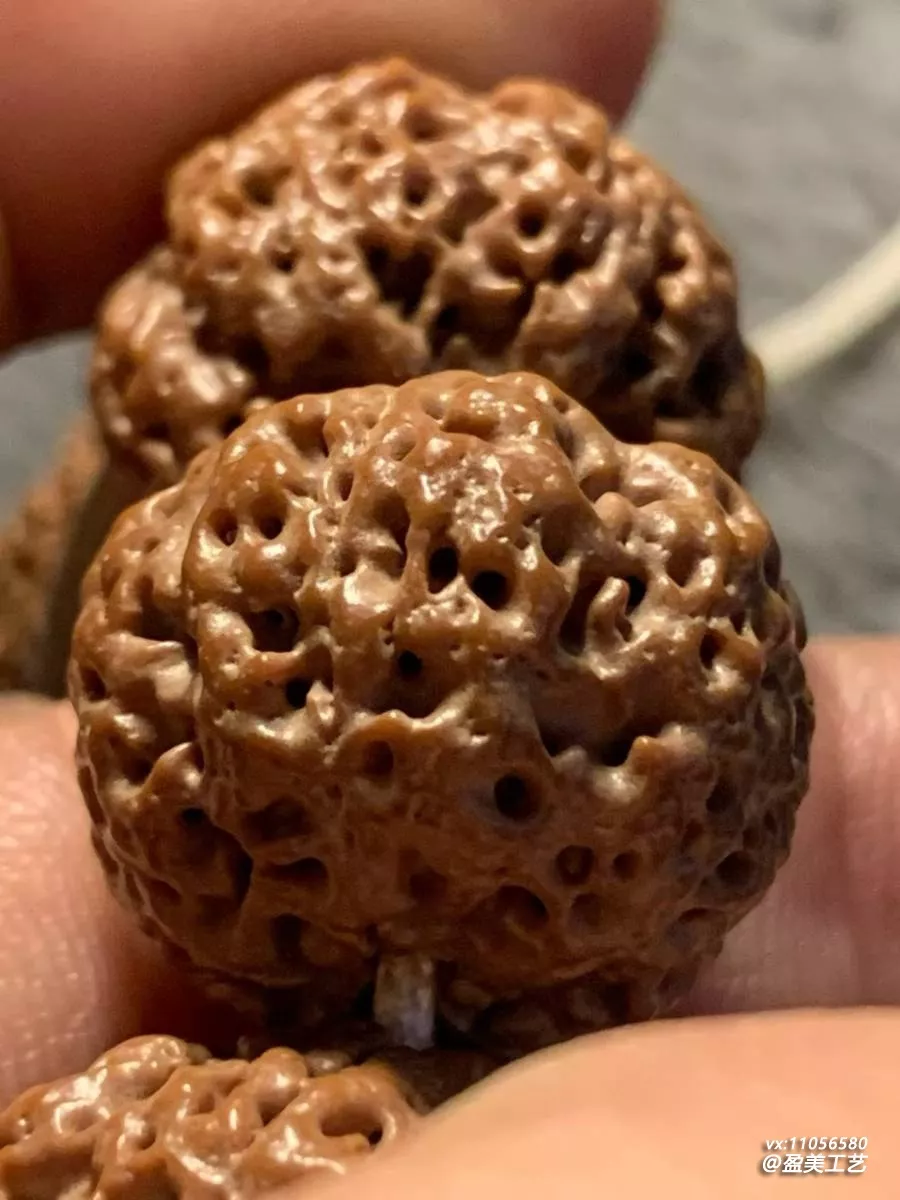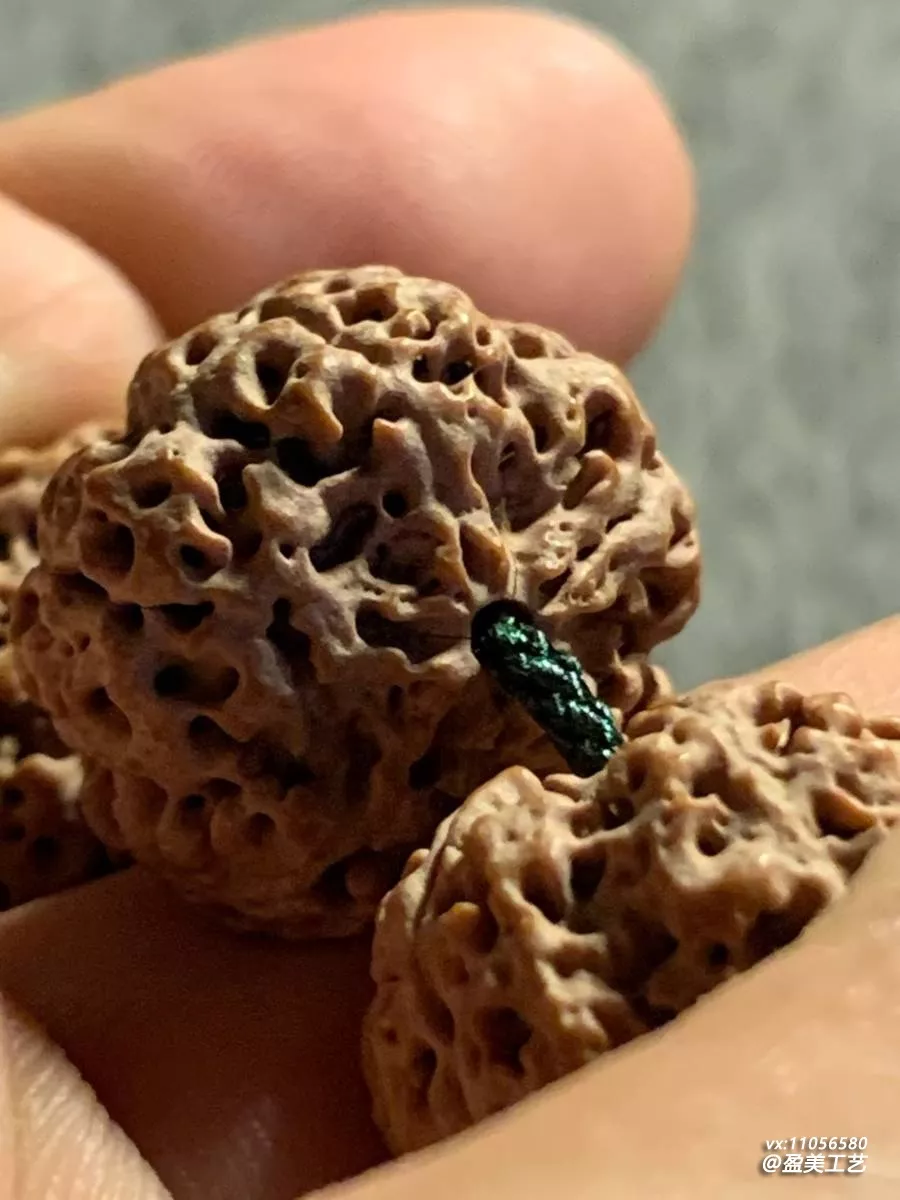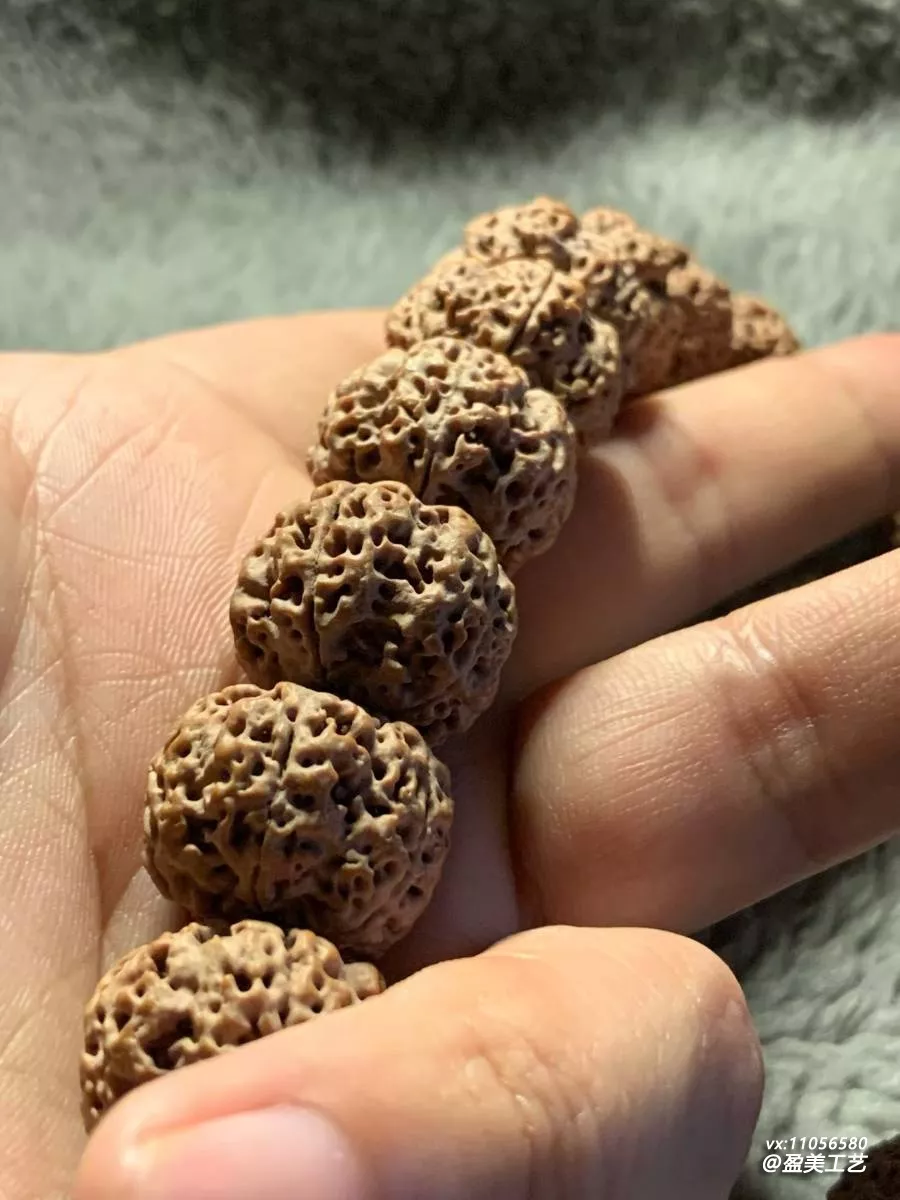
After four months of color correction, the color variation on the Rudraksha (large) has finally evened out. As I played with it, I noticed the color difference emerging—some lighter, some darker—which bothered me. After four months of color correction, I've finally evened it out. I'm documenting the process as a reference for friends similarly troubled by color variations.
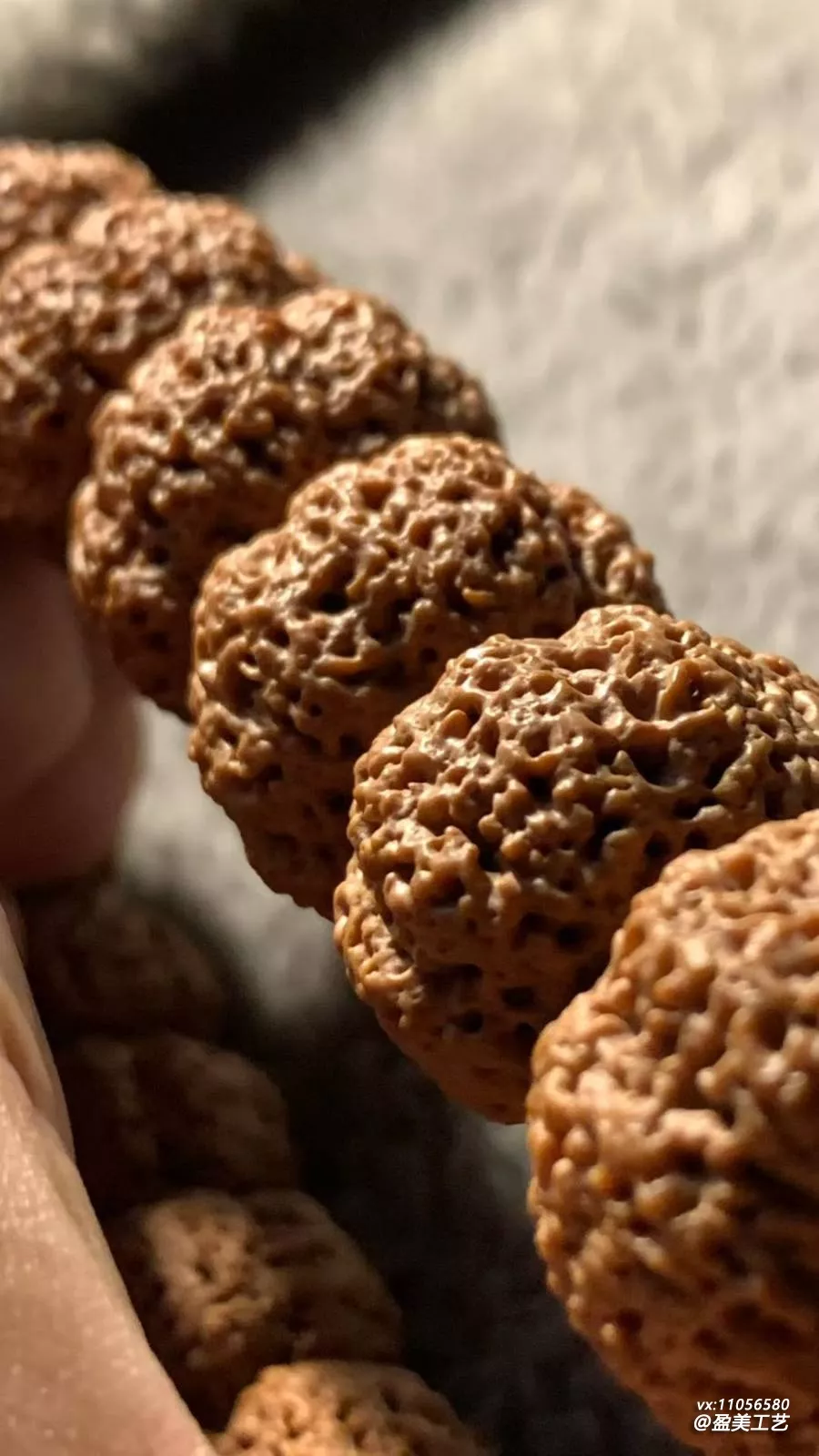
How Color Variation Occurs
How does color variation occur? The seeds have different densities, so they take on color at different rates; uneven breaking-in (patina process) means seeds played with more become darker, while those played with less stay lighter. Rudraksha (large) has deep grain / texture, and color variation hides within it, making it more noticeable. Once the cause is identified, color correction has a direction.
Methods for Color Correction
Methods for color correction: Play with the lighter seeds more, allowing them to absorb more sweat and oil to bring their color up; brush the darker seeds more to tone the color down and even out the overall appearance. Color correction requires patience—it took four months to see results. While correcting, maintain even playing and brushing to avoid creating new color variations.
Thoughts After Evening Out the Color
Thoughts after evening out the color: The color of the entire mala (prayer beads) is now uniform, it looks much more pleasing, and I feel more motivated to play with it. After four months of color correction, the color variation on the Rudraksha (large) has finally evened out. What has become even is not just the color, but also this patience. Color variation isn't scary; with the right method and persistence, it can definitely be corrected.
During those four months of color correction, I observed the mala's (prayer beads) color every day, hoping to even it out sooner. Seeing its uniform appearance now, I feel that the patience over those four months was particularly worth it.