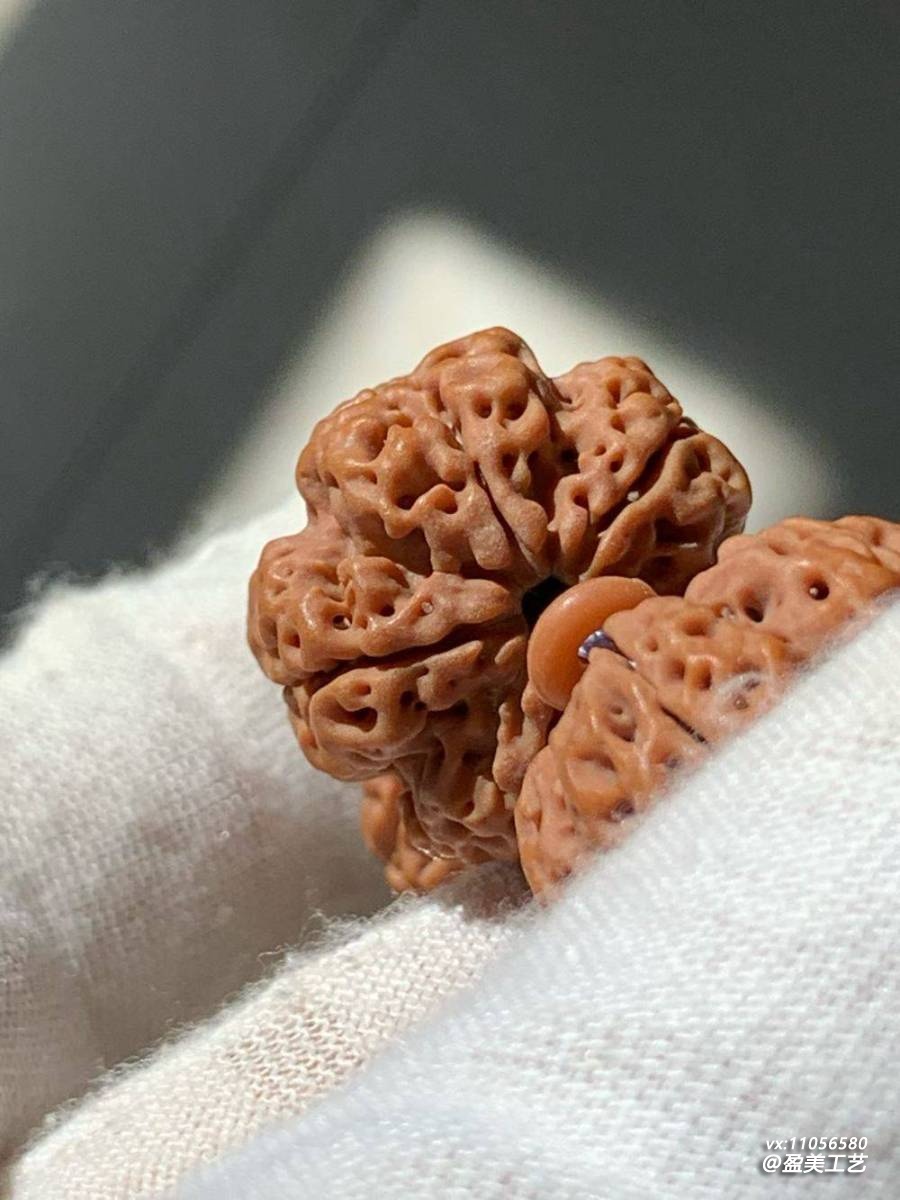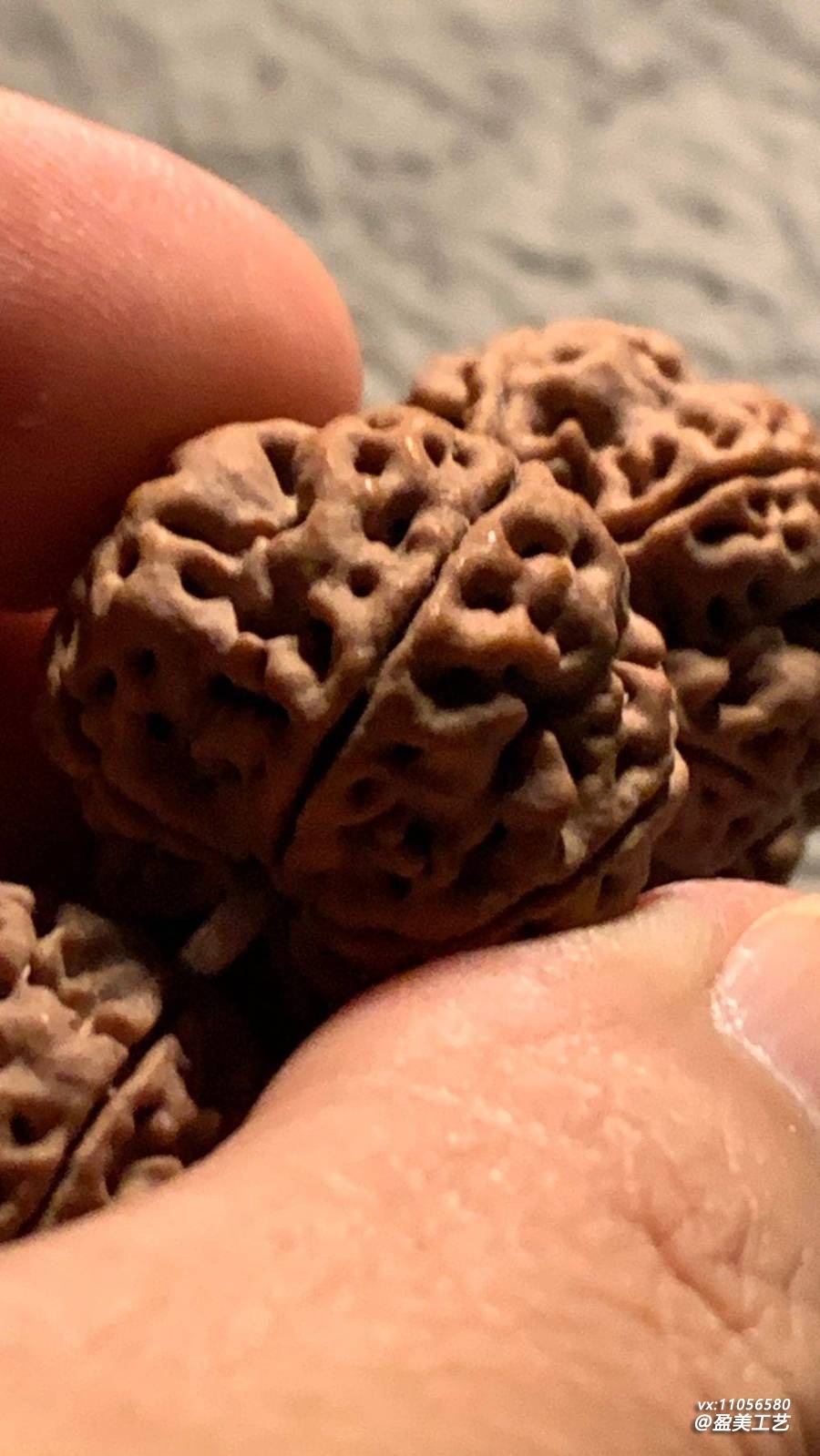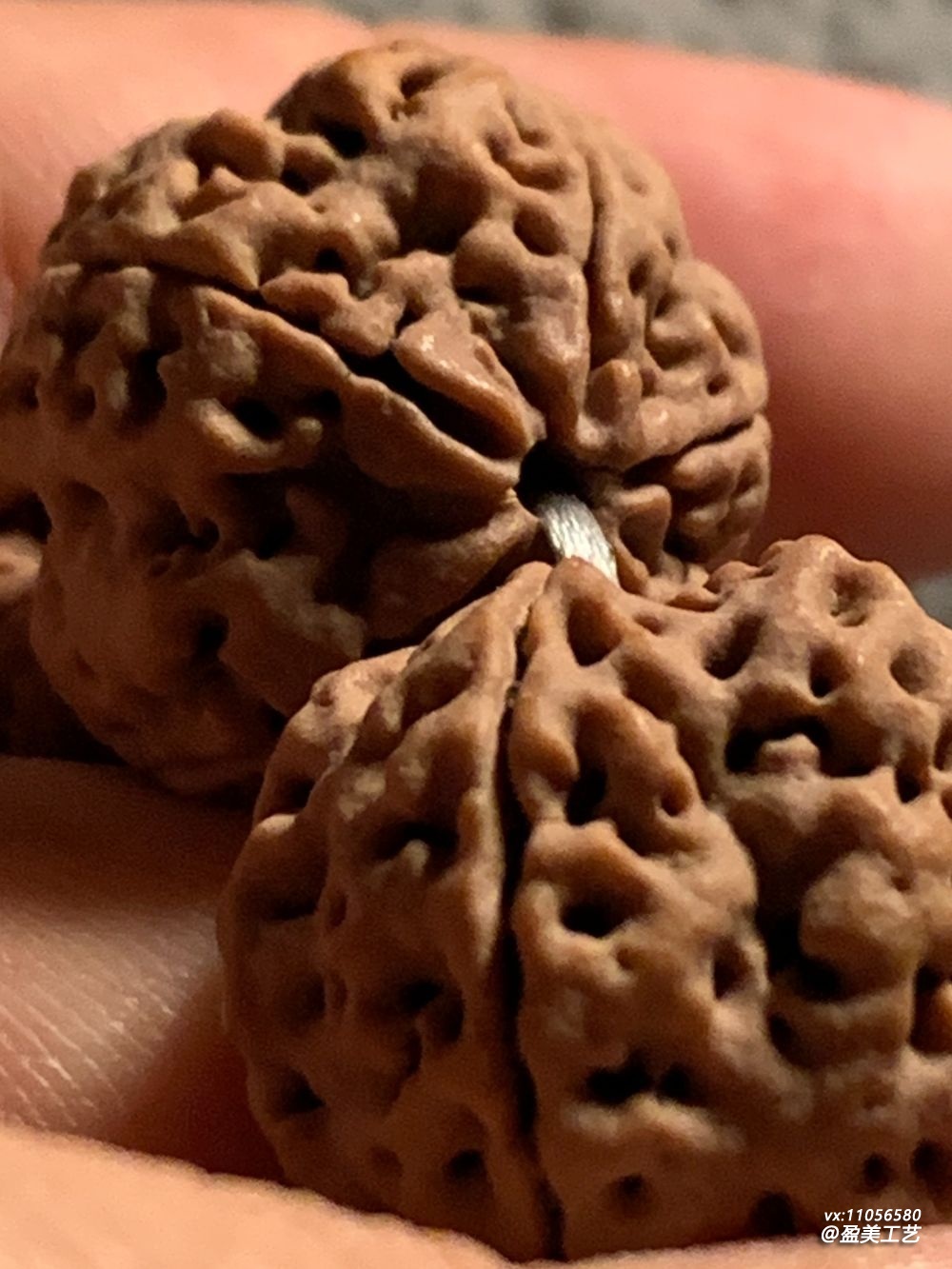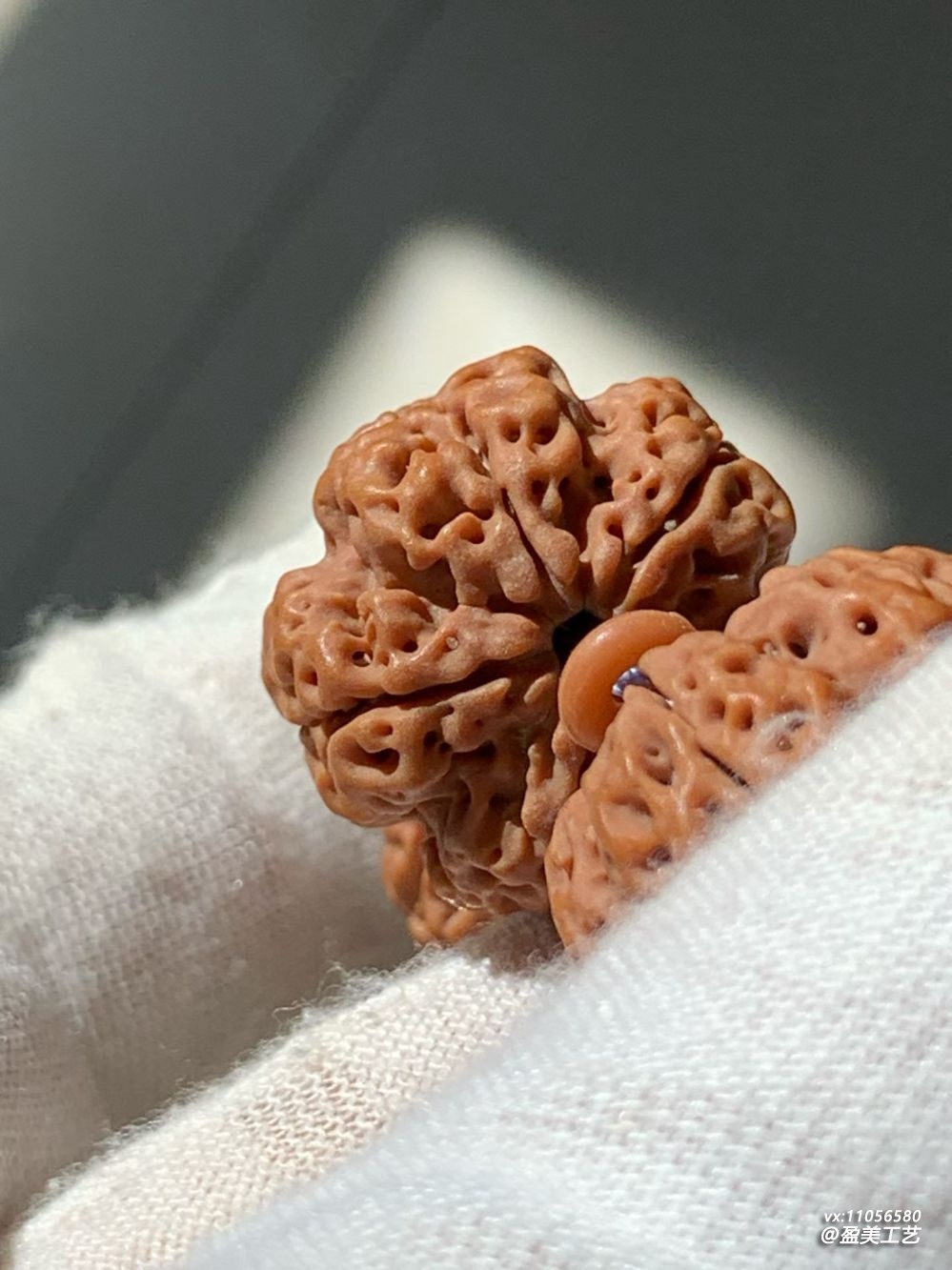
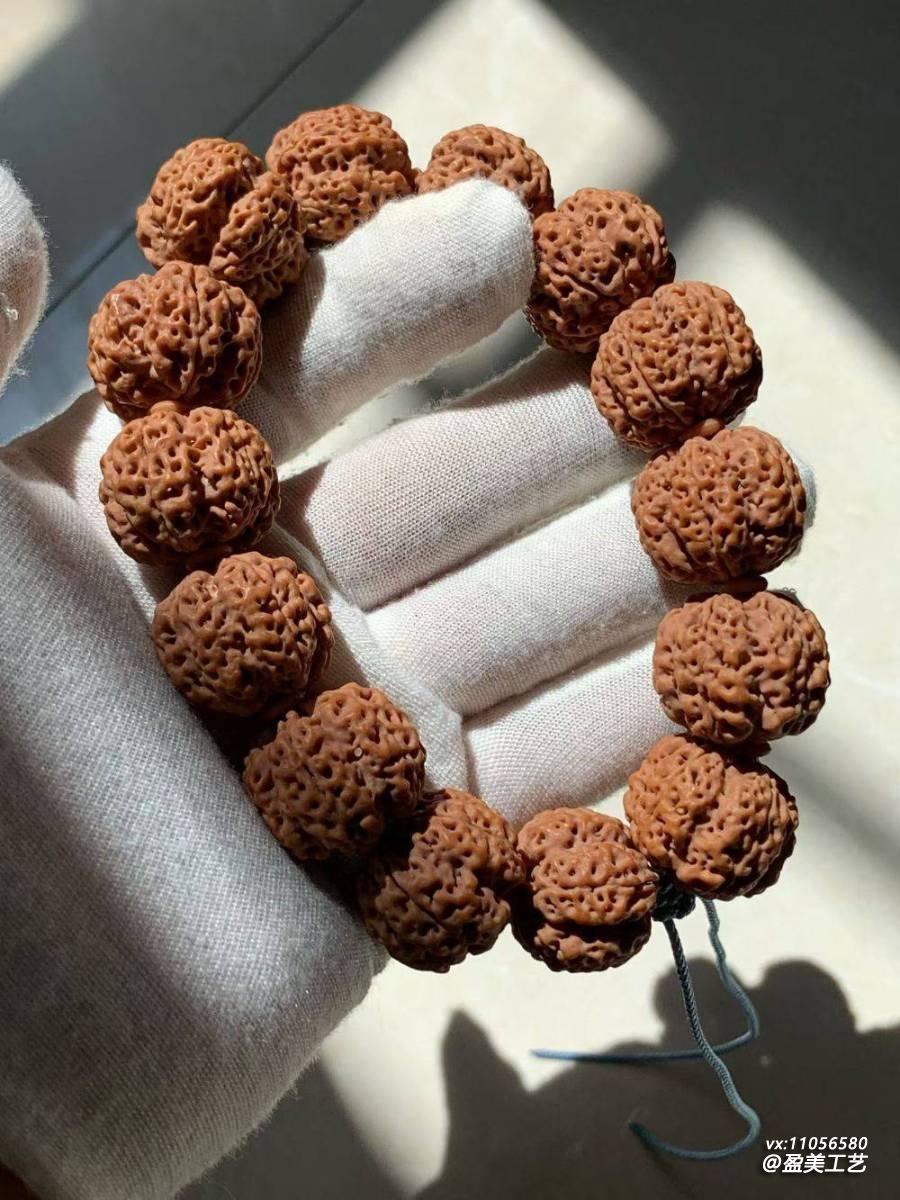
After three months of polishing, I finally passed the test with 108 fine-grained seeds. The fine-grained seeds are small, and polishing with 108 seeds is really a tedious task. I polished every day for three months, and the alkali residue was removed, the seams became bright, and the base layer was finally polished through. I'm recording the polishing process of the past three months to provide a reference for friends who are also polishing 108 fine-grained seeds.
How to polish for three months
During these three months, I gradually figured out the polishing method. In the first month, I polished hard to clean the seams. The fine-grained seams were dense, and the alkali residue was hidden in the fine seams. I polished each of the 108 seeds one by one for one or two hours every day. In the second month, I combined hard and soft polishing. The seams were cleaned, and the surface started to shine. In the third month, I focused on polishing. The luster came out, and the alkali residue was completely removed. Over the three months, my polishing skills improved from being unfamiliar to being proficient, and the surface changed from being rough to being clean.
The standard for passing the polishing test
To pass the polishing test, the standards must be met. The seams must be clean, and each of the 108 seeds must have a clean seam without alkali residue. The surface must be shiny, and the surface of the seeds must be oily and bright, with a smooth texture when touched. The overall appearance must be consistent, and all 108 seeds must be in the same condition. The fine-grained seeds are small, and it's hardest to clean the seams. When polishing, you need to polish along the grain. After three months of effort, I finally passed the test with 108 fine-grained seeds. Passing the test relies on patience and meticulousness. For the next stage of polishing, I now have the method and the confidence.