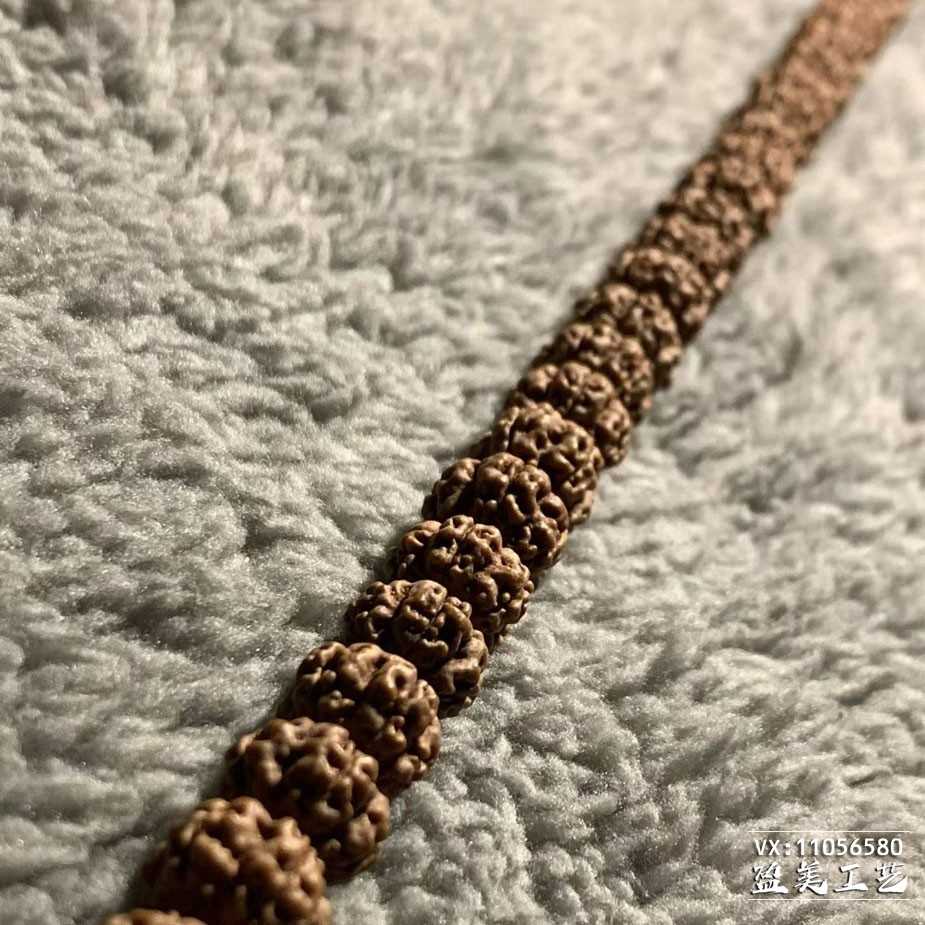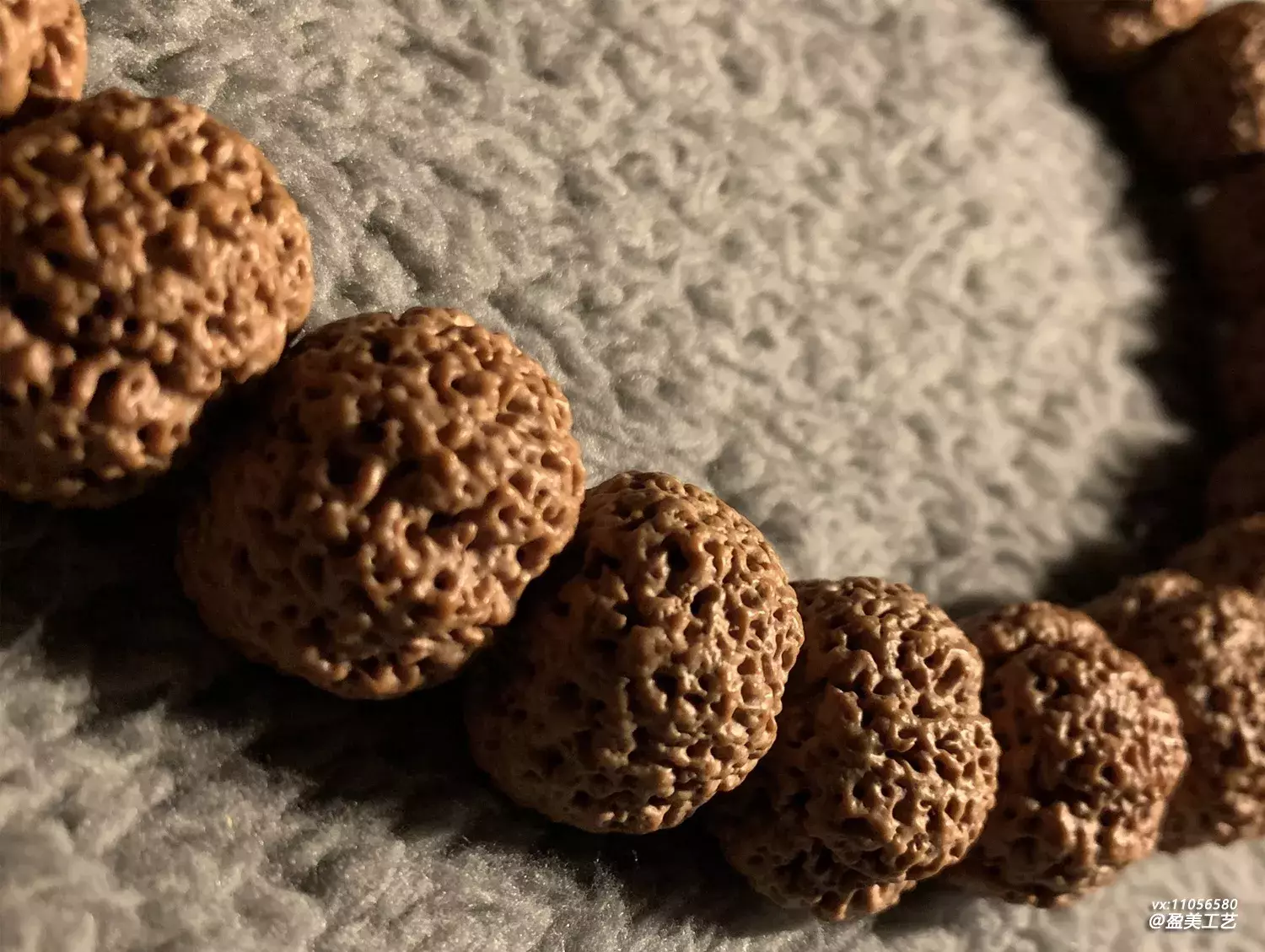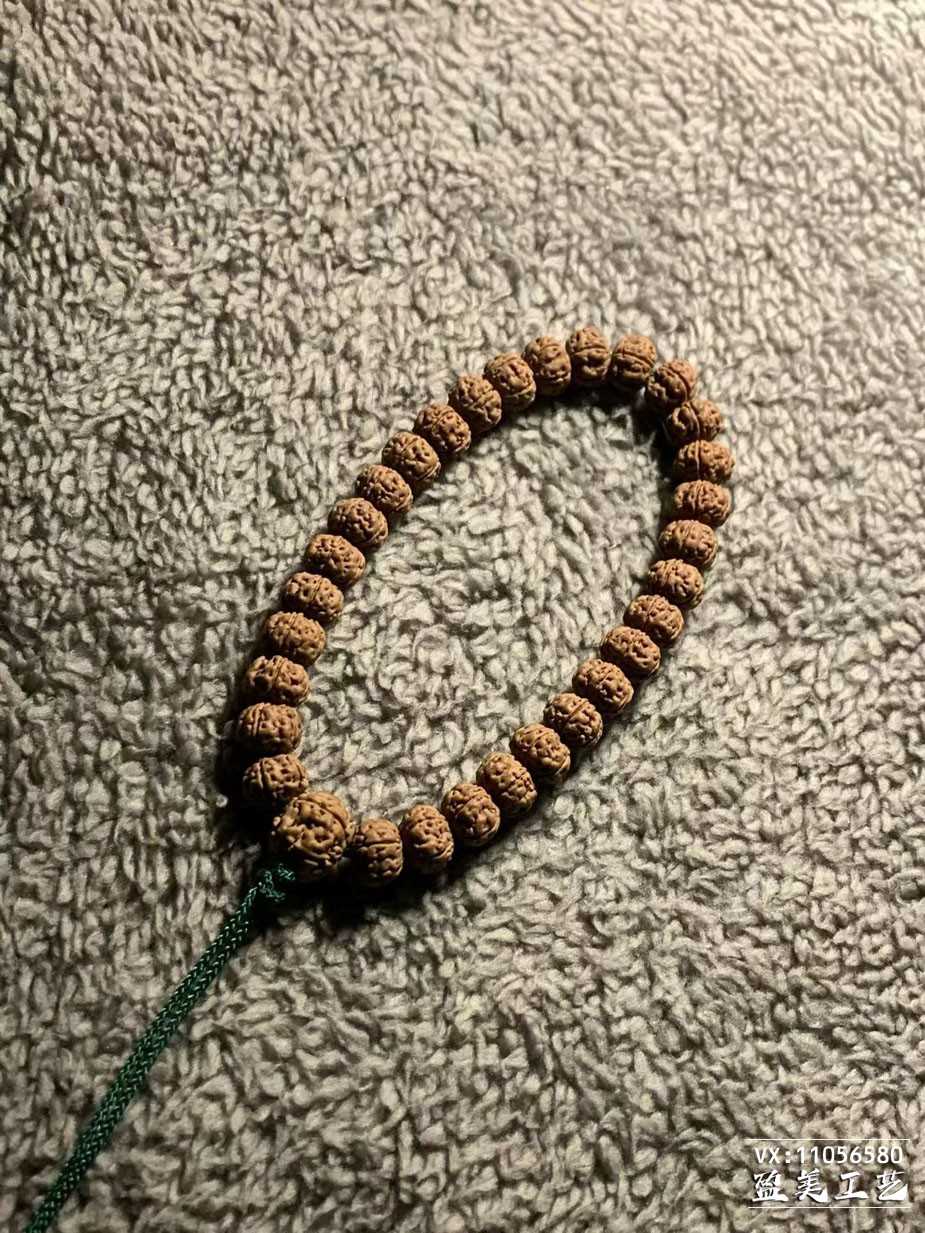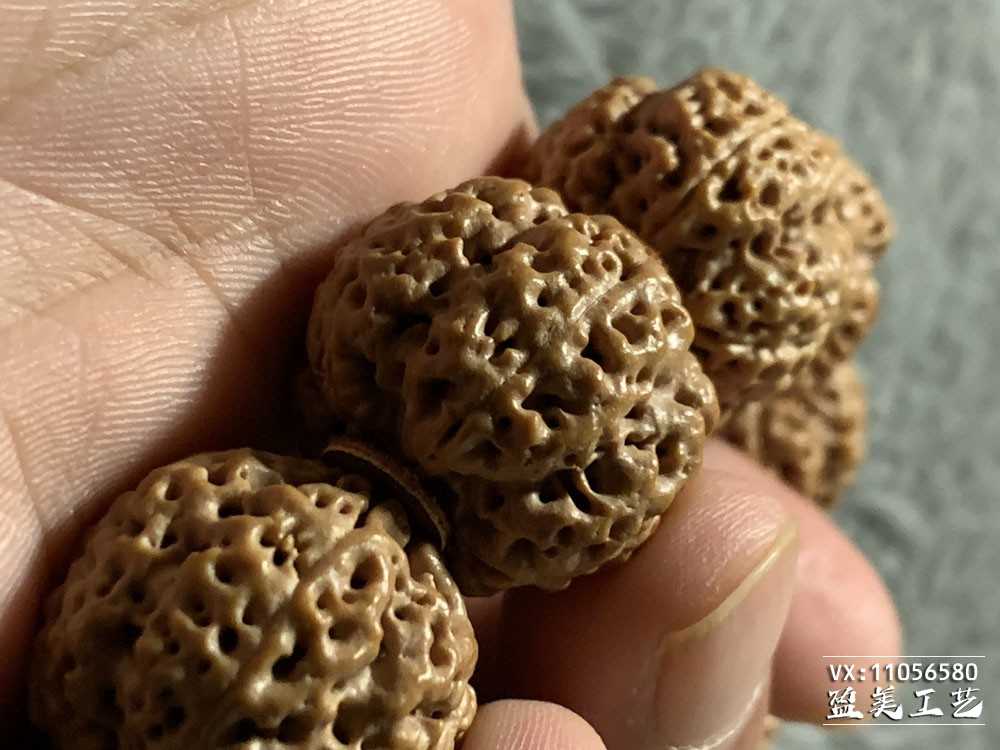
How to choose flat-fine 108 beads? Start with density and texture. A 108-bead long mala has many seeds, so when choosing flat-fine 108 beads, focus on the essentials: density and texture are the foundation—get these right and the mala won't be a bad pick. Don't get confused by fancy sales talk; hold on to these two factors.
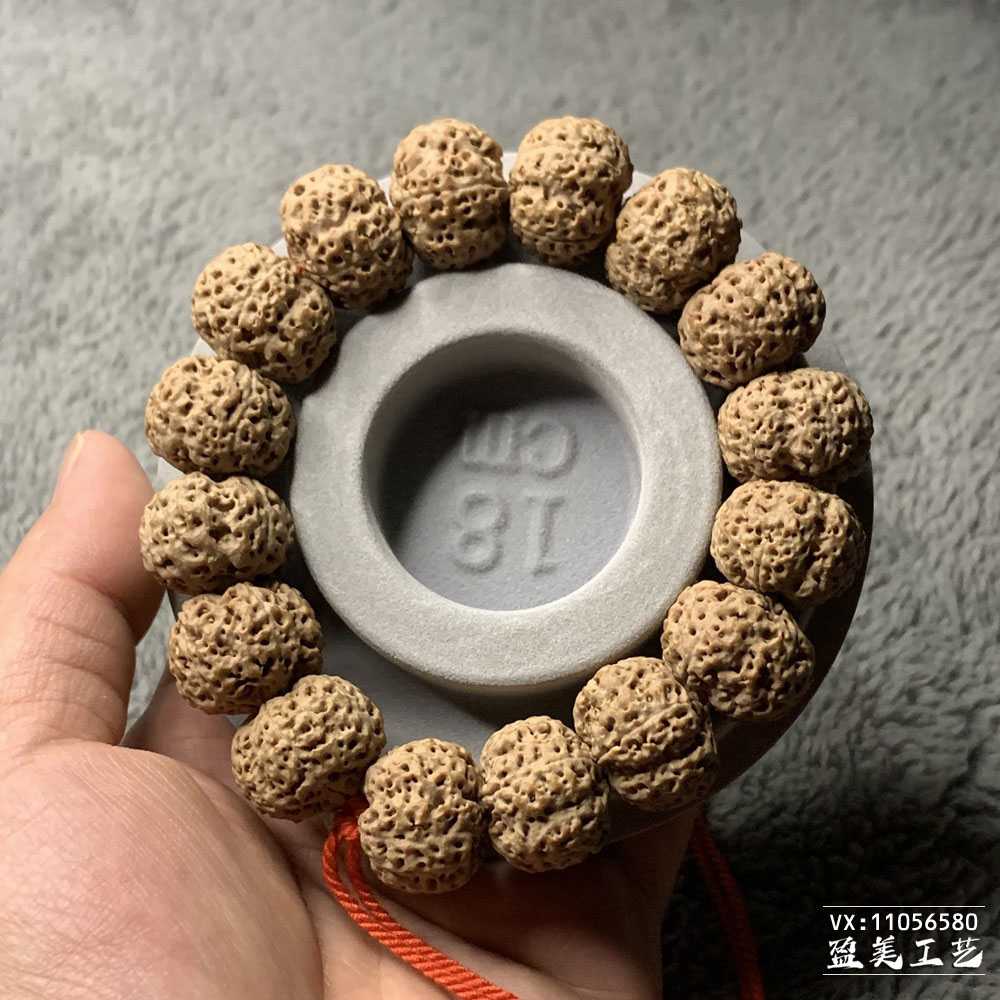
How to assess the density of the whole mala
When checking density, look at the whole mala. With 108 seeds, it's impractical to weigh each one in hand, but you can feel the overall quality: if the mala feels heavy and substantial in hand, its overall density is good; if it feels light and flimsy, the density is poor. You can also pick out a few seeds and weigh them individually to feel the density of single beads. Flat-fine seeds are small, making density hard to judge, so feel them even more carefully—only when the overall density passes muster does the mala have a good foundation.
How to assess the texture
When checking texture, look for fineness, density, and uniformity. Flat-fine texture is fine and dense; when choosing, see whether the texture style is consistent across the whole mala—beads whose texture is fine and even on every seed are top grade; uneven texture and inconsistent flesh fullness lower the grade. Texture determines the looks of flat-fine beads, and only when the texture of the whole mala is harmonious does the mala look good, so examine this stage carefully.
Keep other details up to par
Beyond density and texture, keep other details up to par. Check the skin: the color should be even and oily. Check for flaws: with 108 seeds, inspect each one for cracks and broken ridges. Check consistency: size and seed shape should be harmonious. How to choose flat-fine 108 beads—start with density and texture, follow up with skin quality and consistency, and once all details are fully checked, your mala choice will be sound.