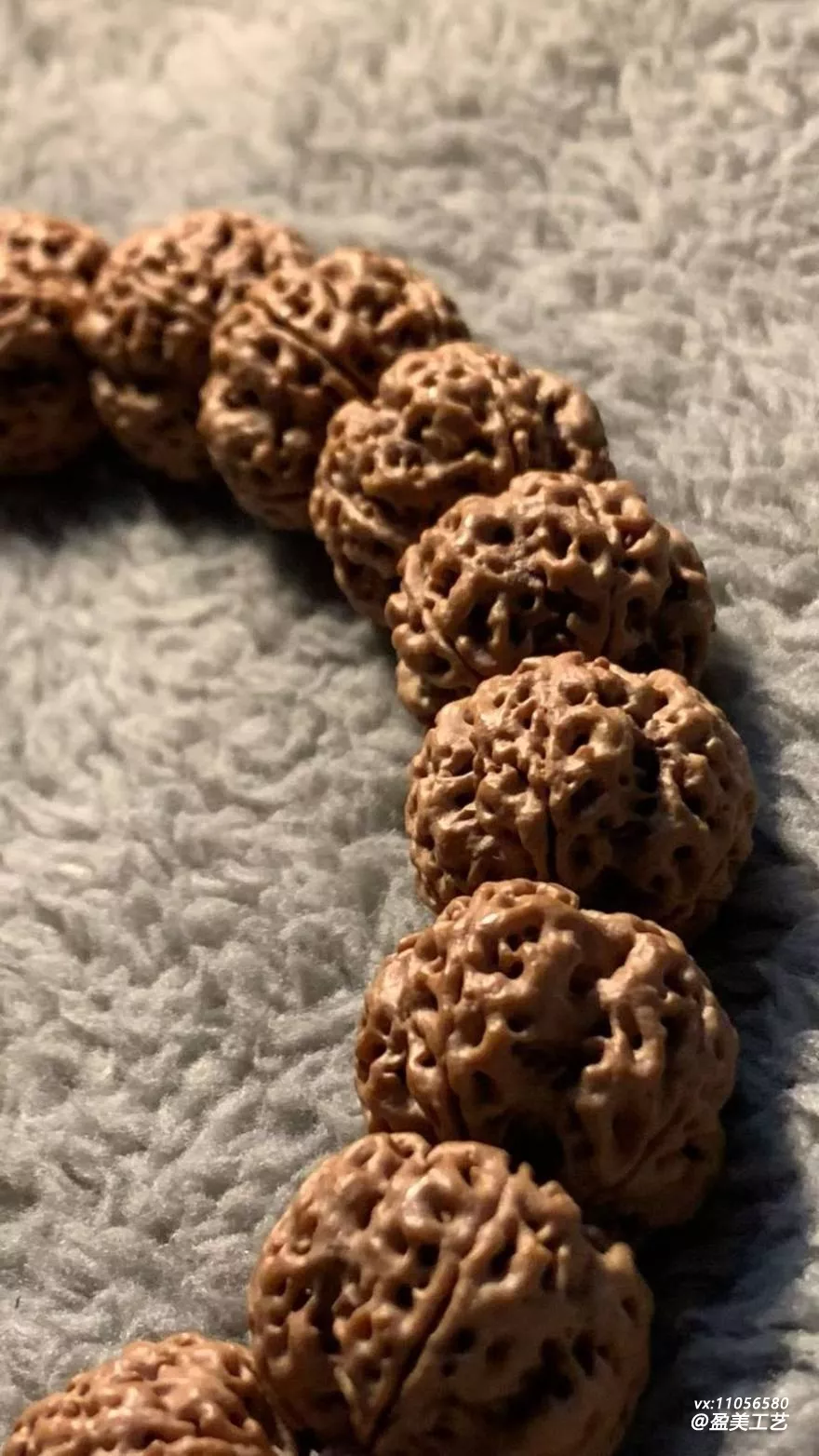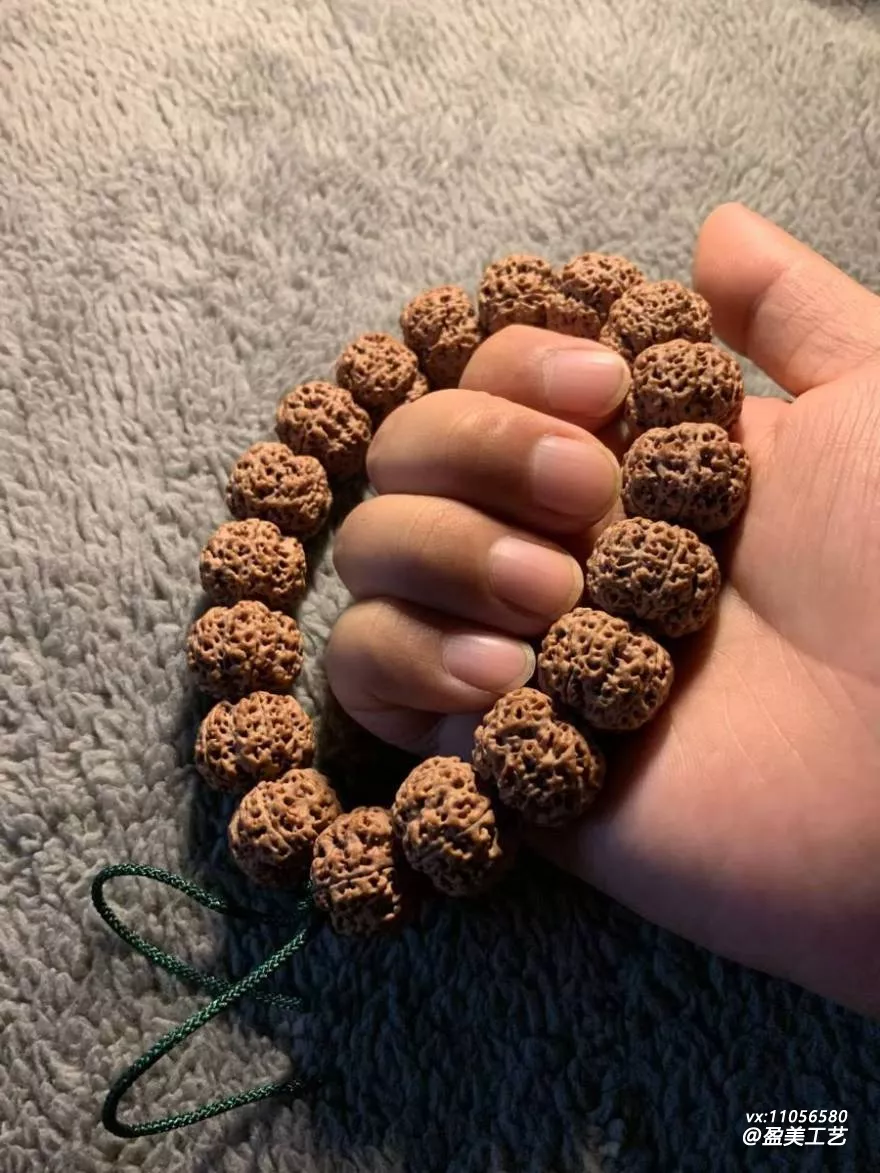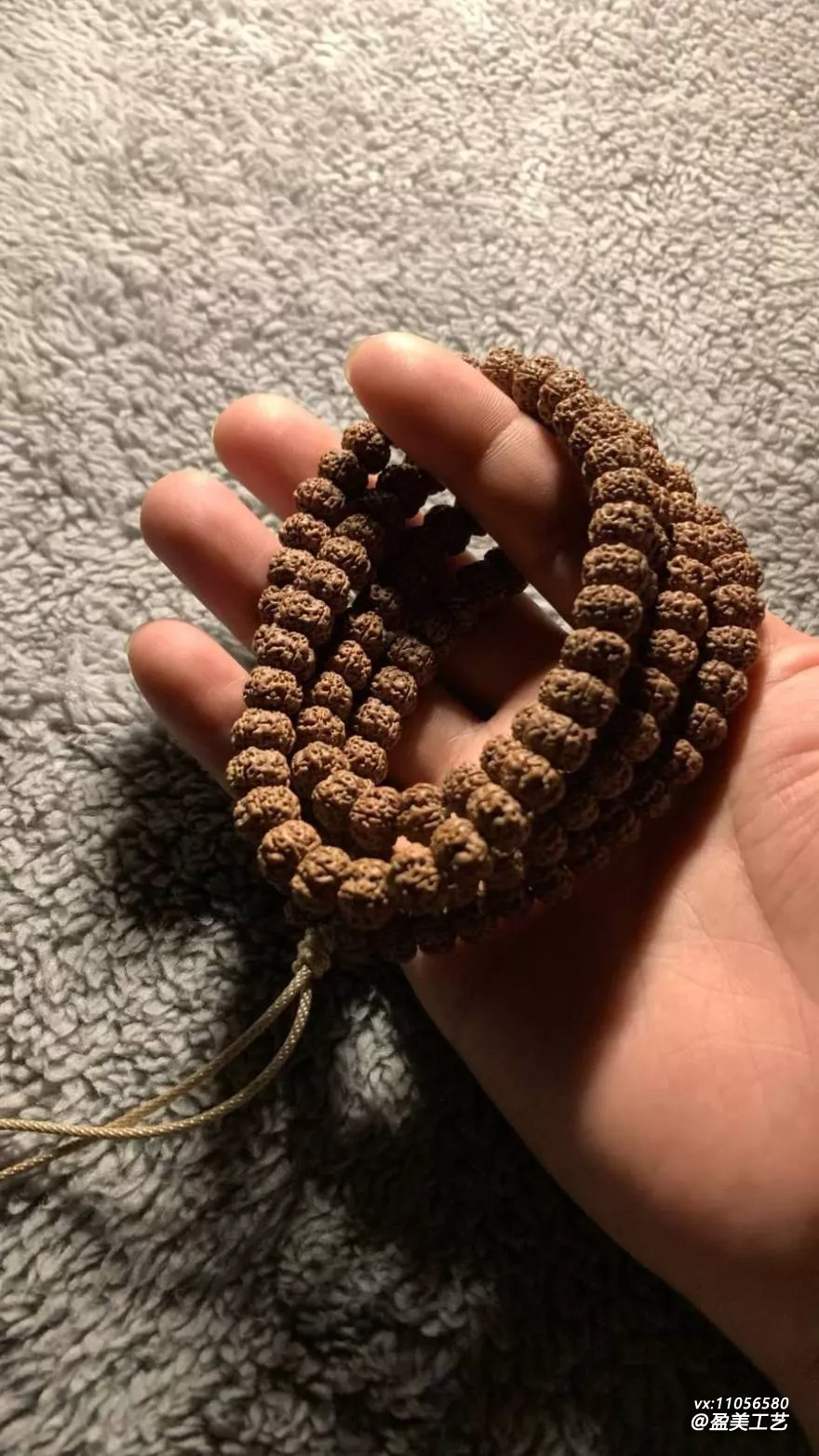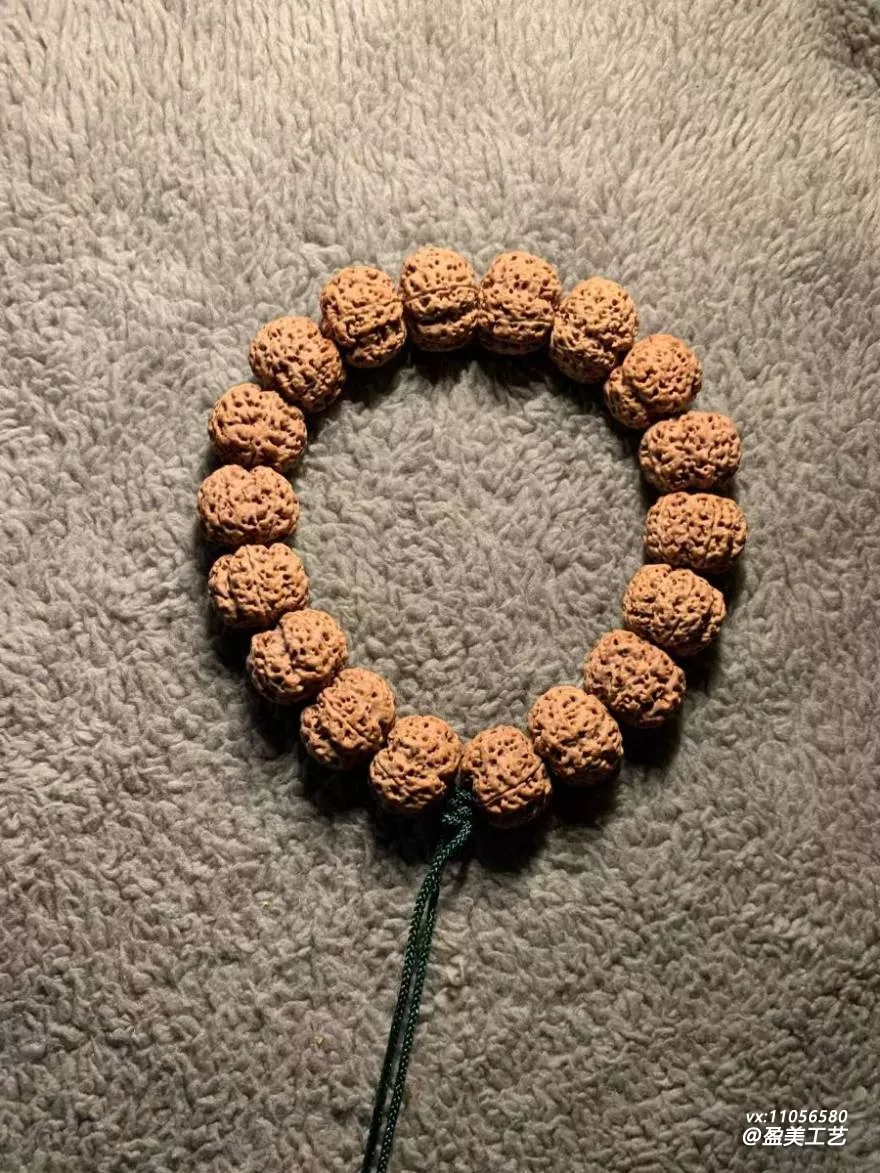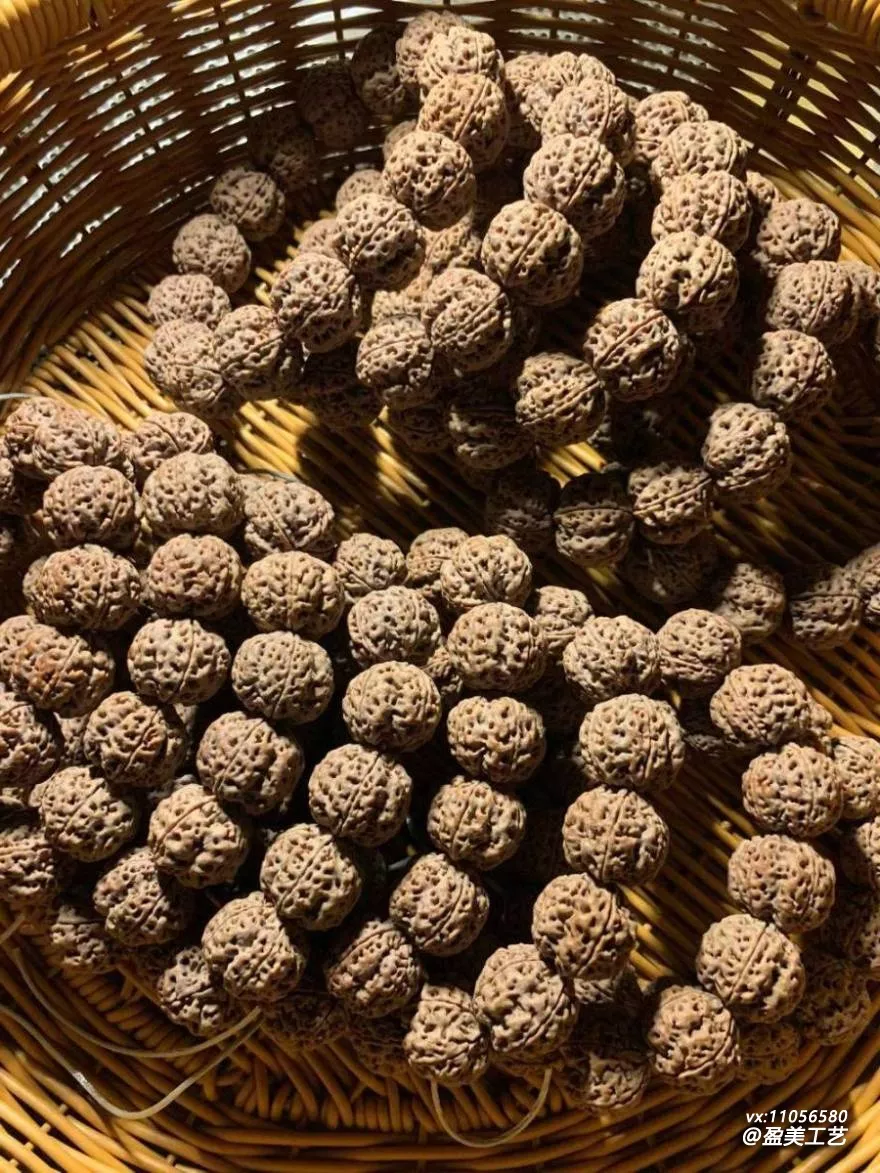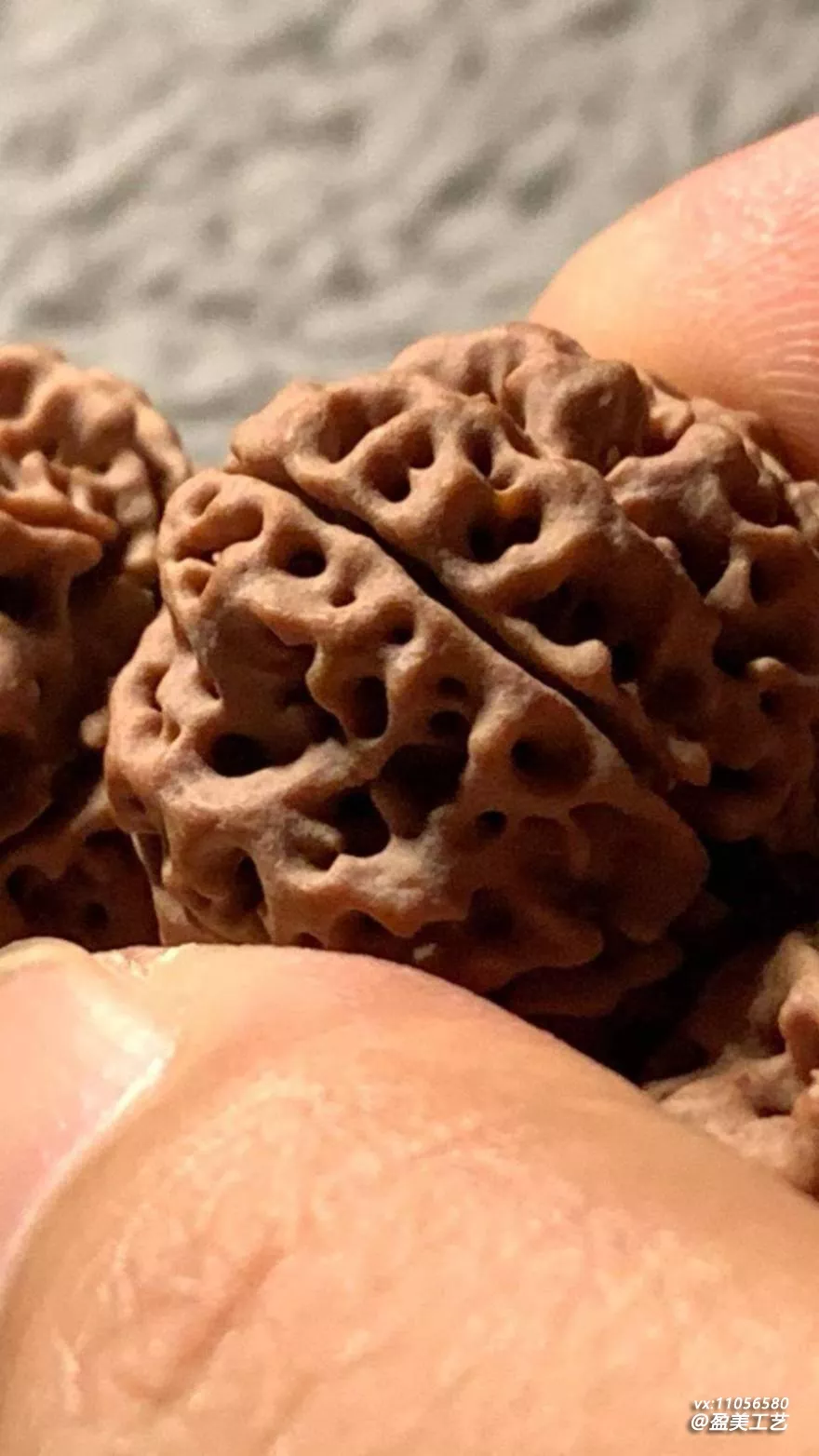
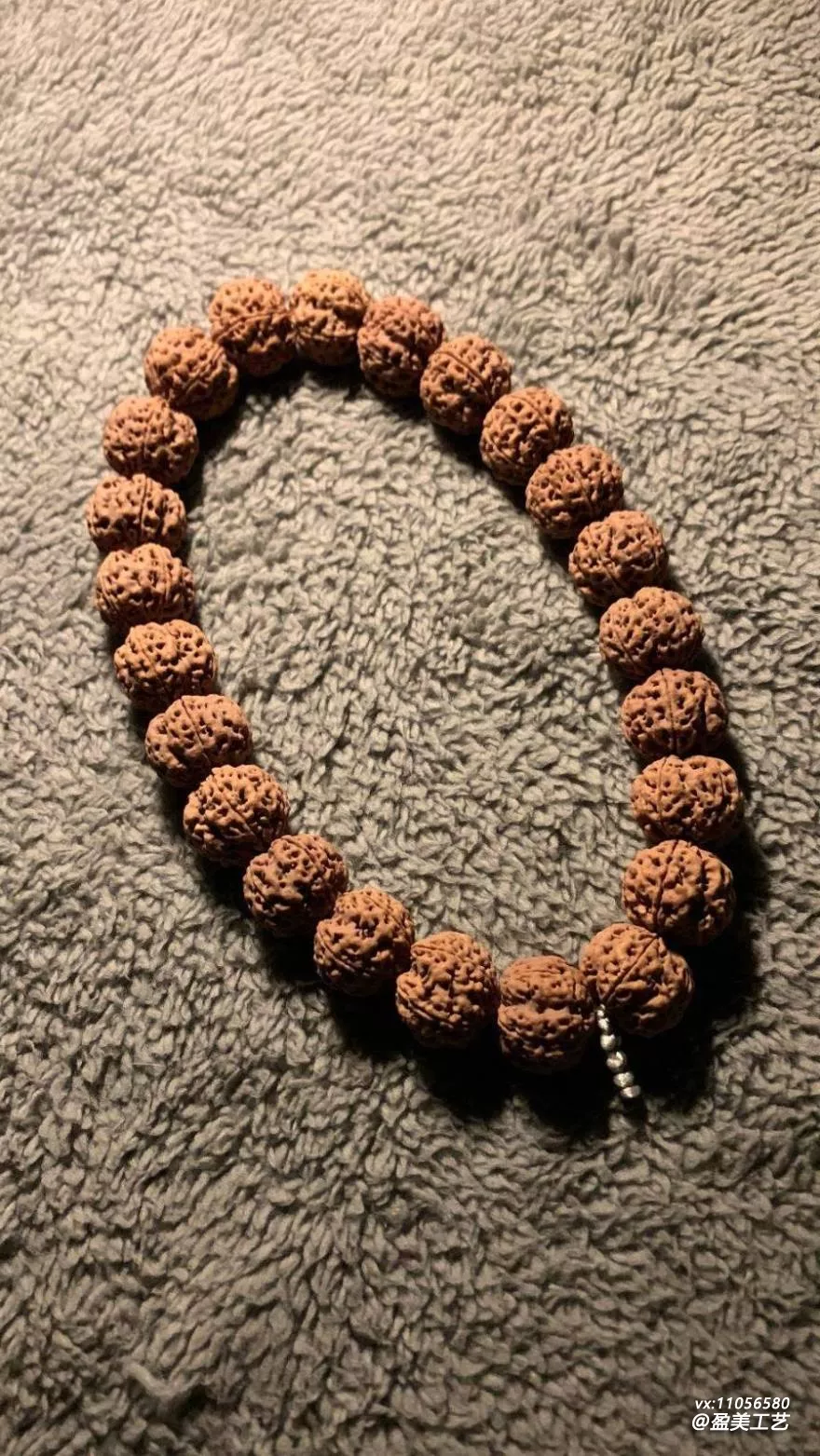
Dirt Cleaning
I've been playing with Rudraksha for several years. If the Rudraksha gets dirty during the breaking-in process, how should it be cleaned? Today, I'll organize the experiences of these years to remind friends who are just starting out, so that they don't make the same mistakes as I did and take a detour.
Recalling when I first started playing, I knew nothing. I just started breaking-in the mala directly when I got it. As a result, the mala turned dull and uneven after breaking-in. I wasted several malas before gradually figuring out some tricks. These experiences were bought with real money and time. I hope they will be helpful to everyone.
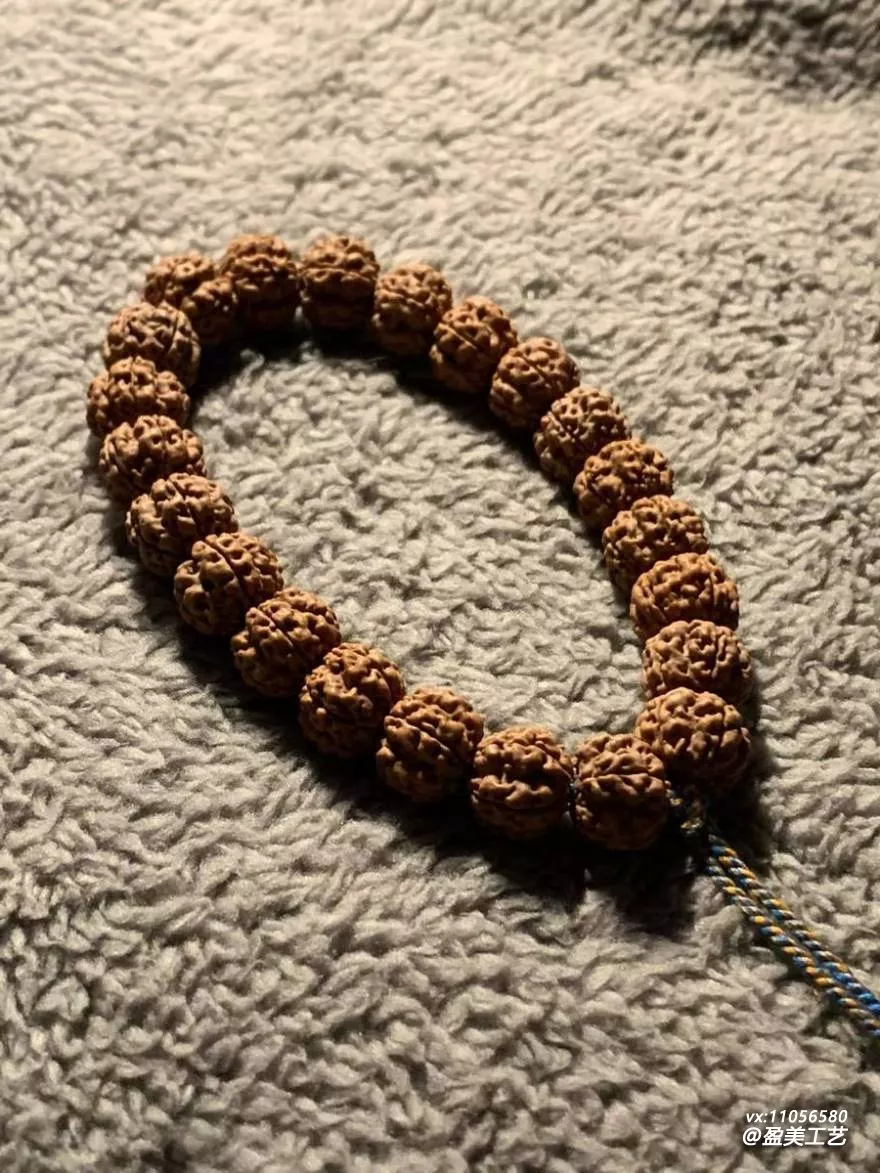
Cleaning Methods for Dirty Rudraksha
First of all, let's talk about the initial preparation. When you first get the Rudraksha, you must do the initial preparation first, clean the alkaline bloom residues on the surface and deep in the texture, and then start breaking-in. The initial preparation should take at least one month, brushing for 20 minutes every day until the surface of the seeds shows a warm matte finish and feels smooth and non-astringent to the touch.
Then comes the breaking-in process. In the early stage, focus on brushing and supplement with breaking-in. Brush for 20 minutes and break-in for 10 minutes every day. After three months when it has a glossy sheen, you can break-in more and brush less. When breaking-in, your hands should be clean, with a little sweat is fine, don't break-in vigorously with a lot of sweat. After breaking-in, wipe it with a dry cloth to clean the sweat on the surface.
There is also maintenance. Rudraksha is afraid of wind, water, and large temperature differences. When not wearing it, put it in a sealed bag and don't place it in the air conditioner vent or in direct sunlight. When sweating a lot in summer, wipe it more often to prevent sweat from accumulating in the texture, which can easily turn dull over time.
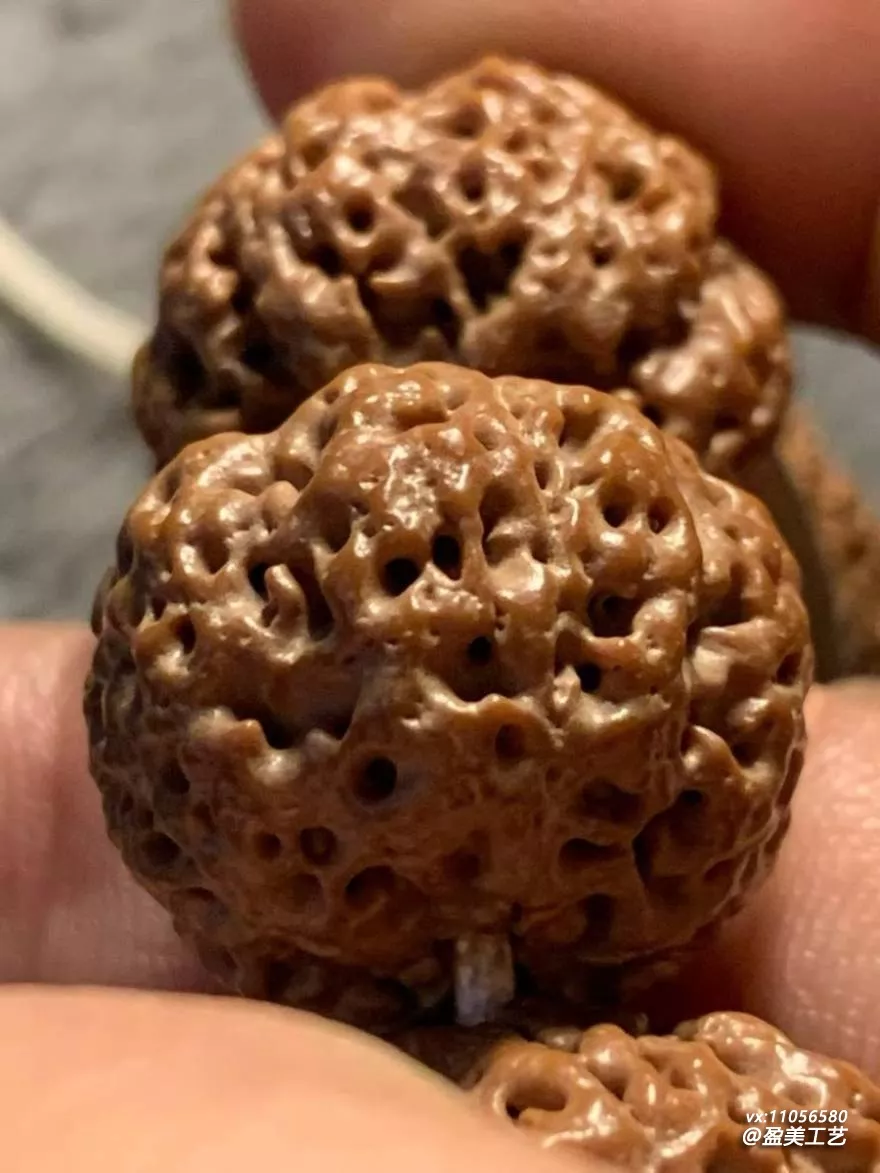
Common Problems and Solutions
Common problems during the breaking-in process include alkaline bloom, cracking, color difference, and turning black during the breaking-in process. If there is alkaline bloom, brush more, use a hard brush to focus on brushing deep into the texture, and it will recover after a week of persistence. If it cracks, if it's a small crack, it will gradually become less obvious after continuing to break-in and developing a patina; if the crack is relatively large, it is recommended to replace it.
Color difference is the most common. Almost every mala will encounter it. Don't worry. Put the lighter seeds in the middle and break-in more, and break-in less for the darker ones. After one or two months of persistence, the color difference will shrink. If it turns black during the breaking-in process, wipe it more with a clean cloth, reduce the breaking-in time, brush more, and it can gradually recover a bit.
Some Insights
Actually, breaking-in Rudraksha can be said to be simple and also difficult. It's simple because as long as the method is correct and you have patience, anyone can break-in a nice mala; it's difficult because many people are eager for quick results, always wanting to quickly turn it red and develop a patina, but instead they take a detour.
For this kind of cultural relic, the most important thing is to enjoy the process. You can't be impatient. I hope everyone can break-in a mala that satisfies them and enjoy this process.