Selecting a new mala
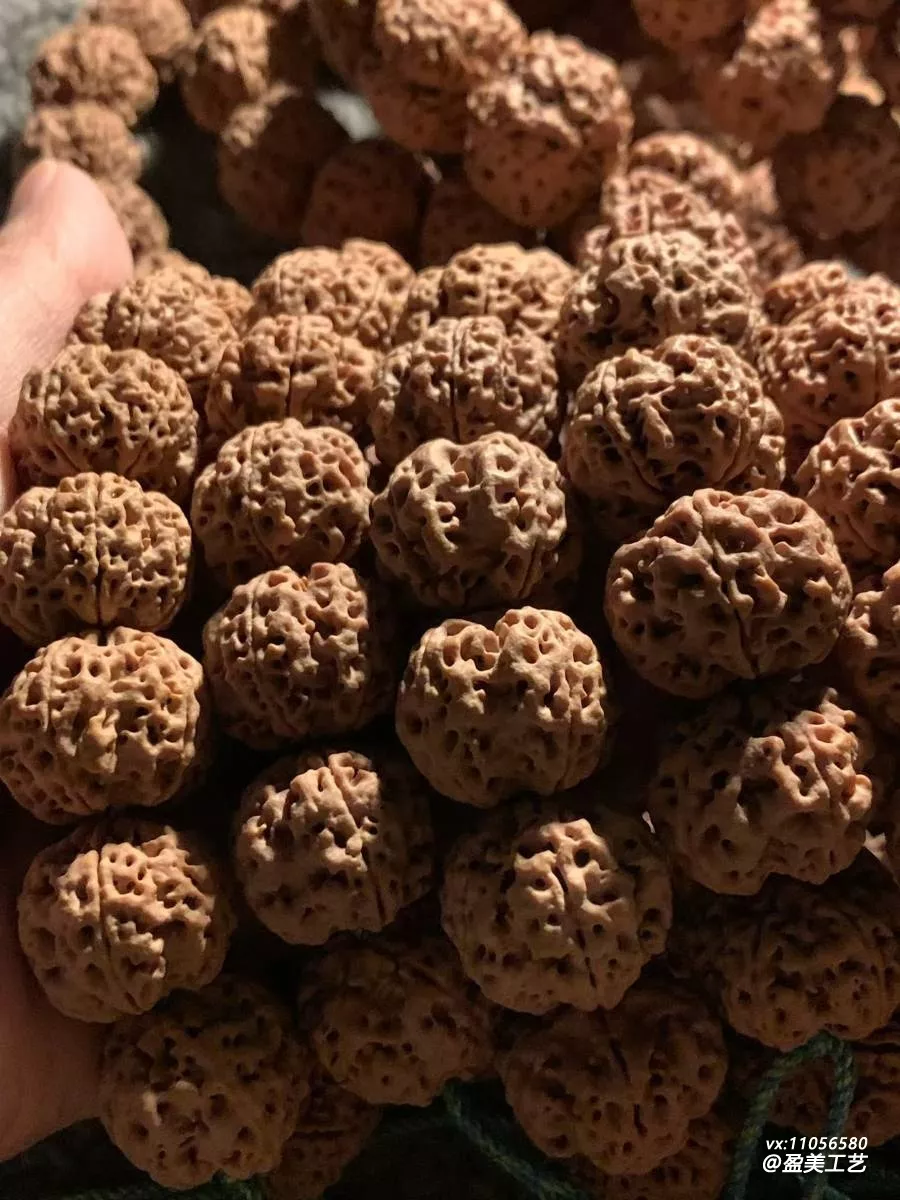
This Rudraksha mala was recently selected for a customer from a newly arrived batch of Nepal seeds. The customer had looked at several malas in livestreams before; the prices were either inflated or the seed quality was mediocre. Introduced by a friend, he came to me to help pick out a satisfactory mala.
I first confirmed the requirements with the customer: a size of 20mm, a preference for short-body plump-texture seeds, a budget around two thousand, mainly for wearing, with occasional breaking-in (patina process). Once the needs were confirmed, I started sourcing seeds, contacted several regular suppliers, and looked at three batches of seeds in total.
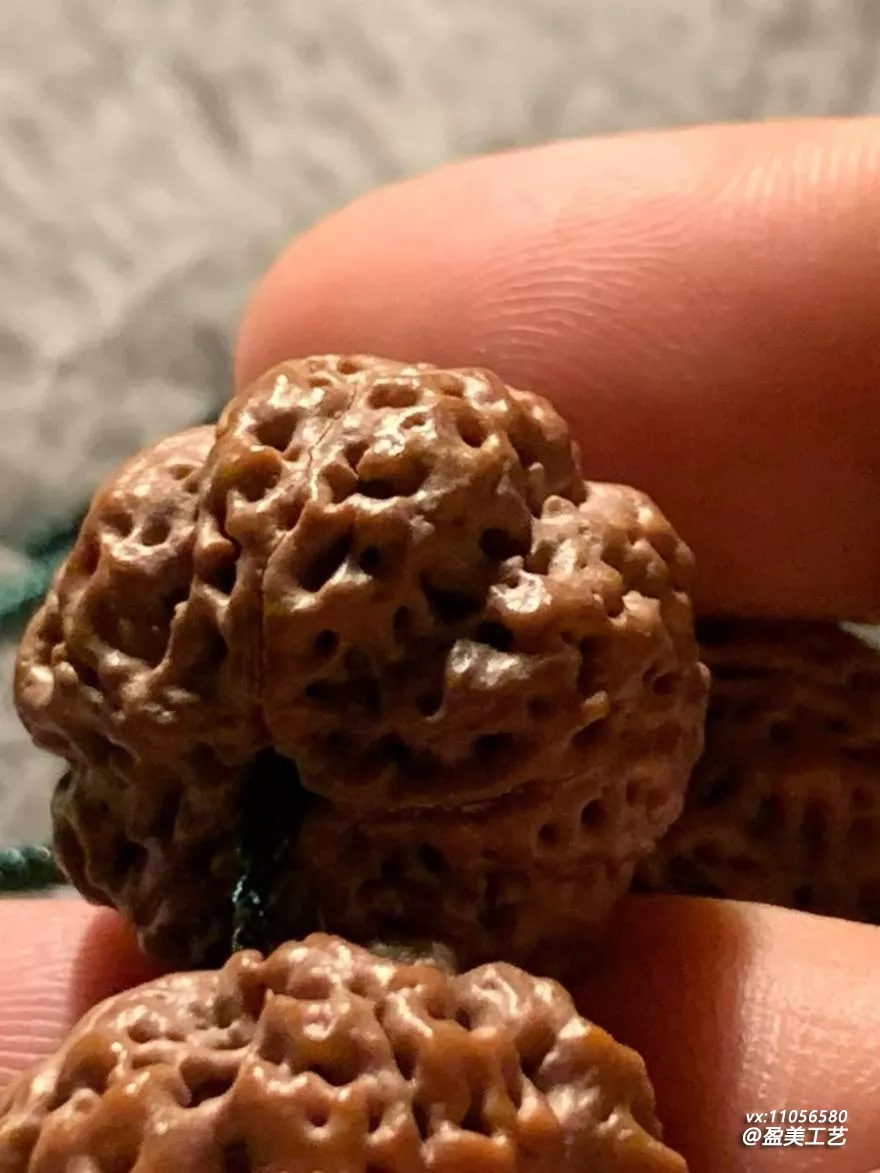
Selecting a plum-blossom-body mala from newly arrived Nepal seeds
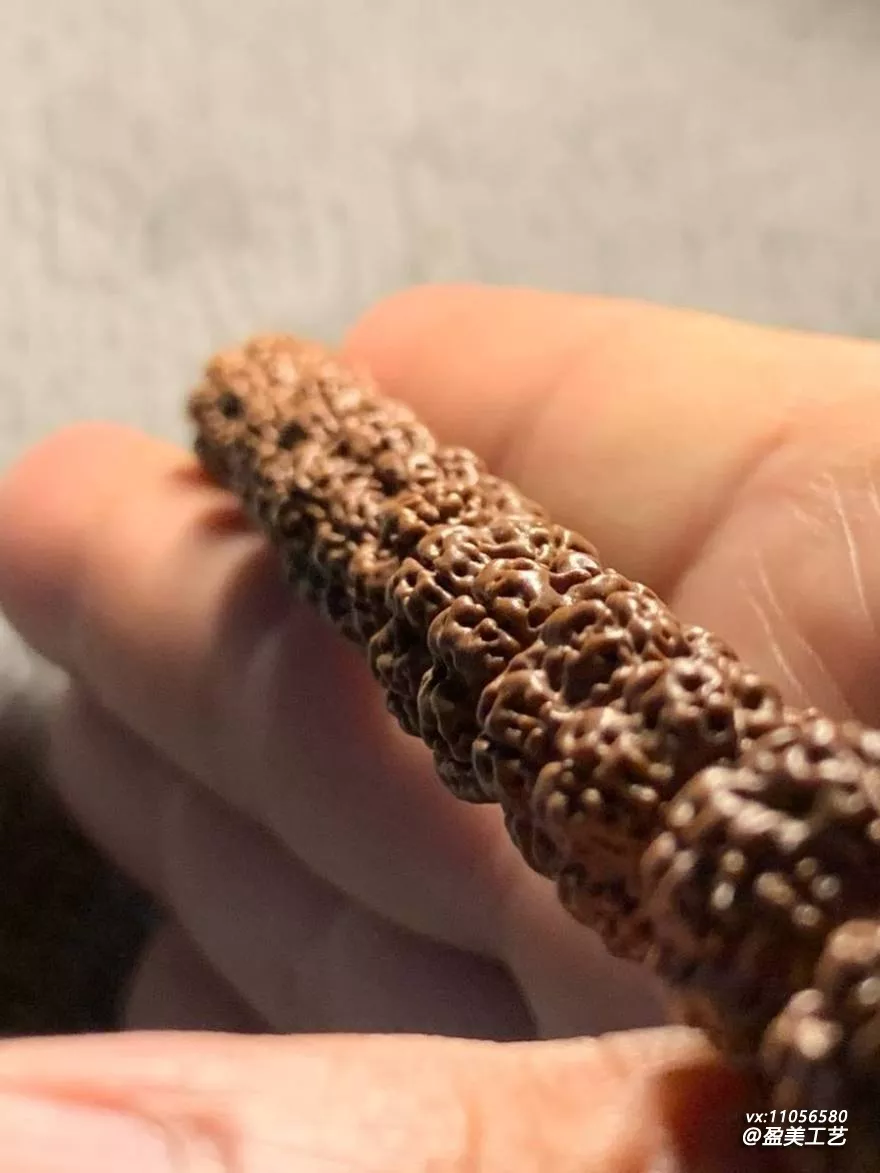
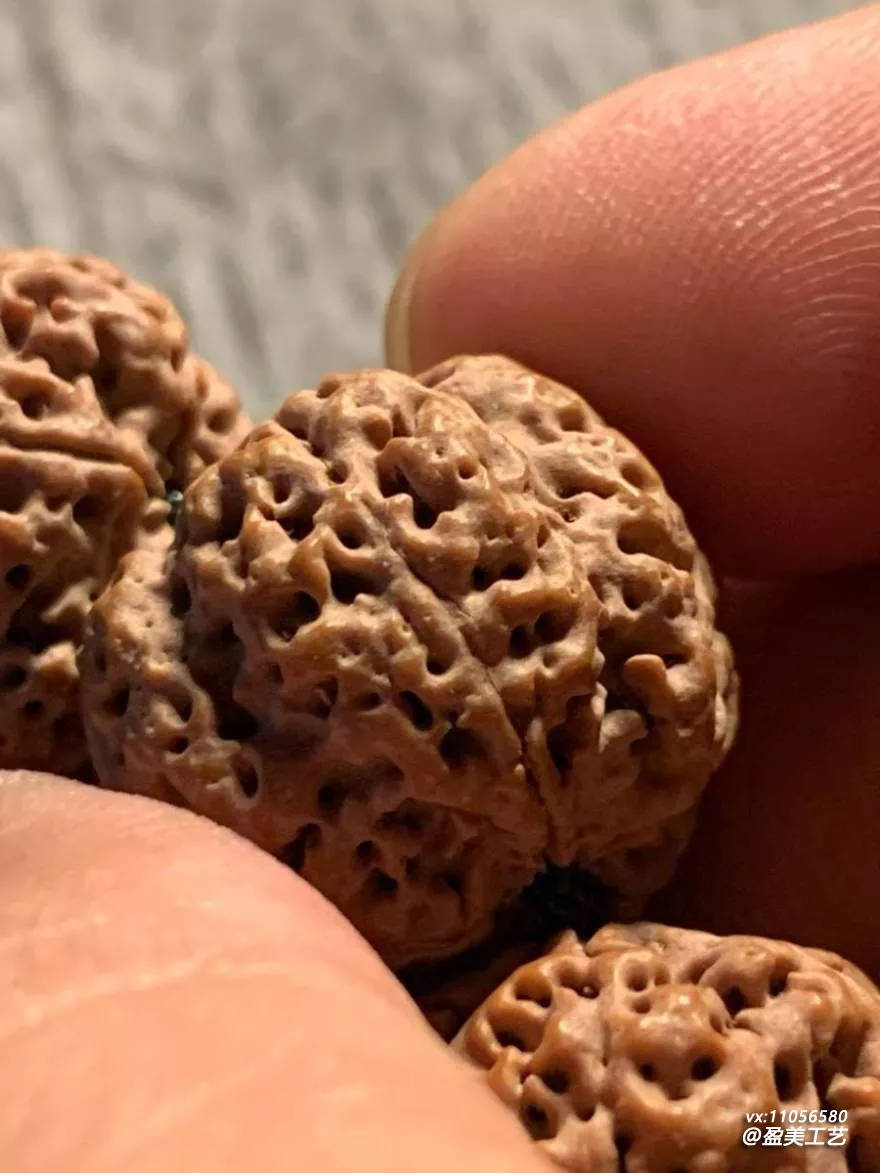
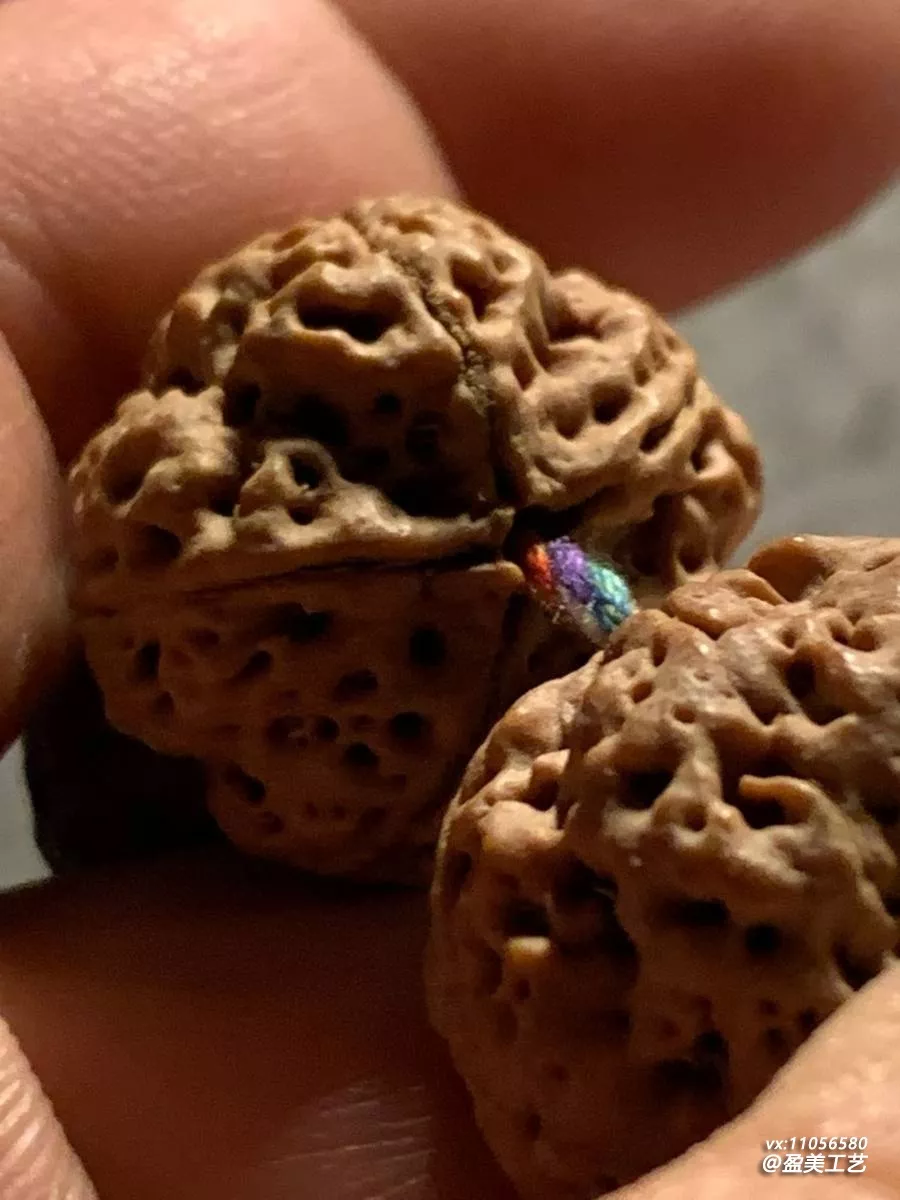
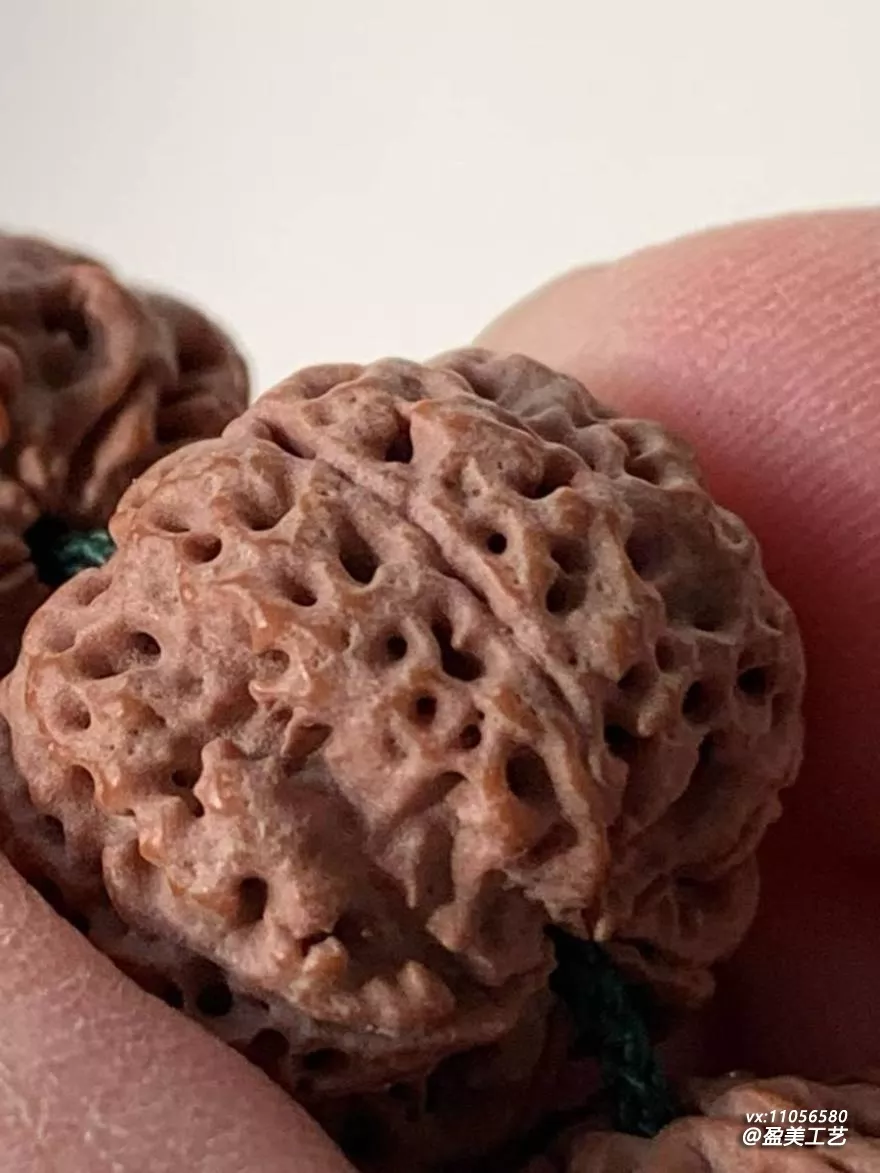
The seed selection process is actually quite tedious. Step one: measure the size, keeping those between 19.8 and 20.2mm. Step two: check density and skin color, discarding those that feel too light, or have dark spots or mottled skin. Step three: check the body shape, keeping short-body seeds with a height under 18mm. Step four: check the grain / texture, ensuring the plump-texture is full and the style of each bead is consistent.
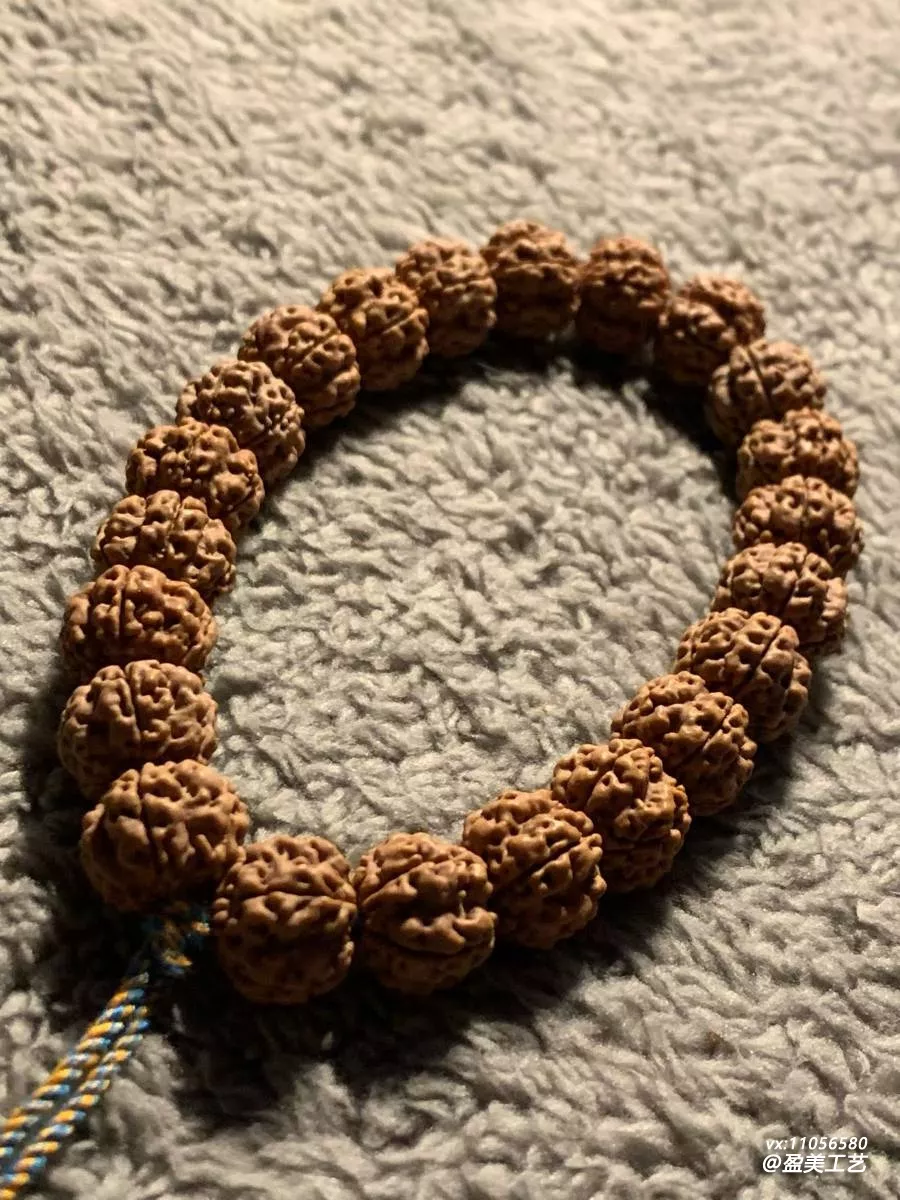
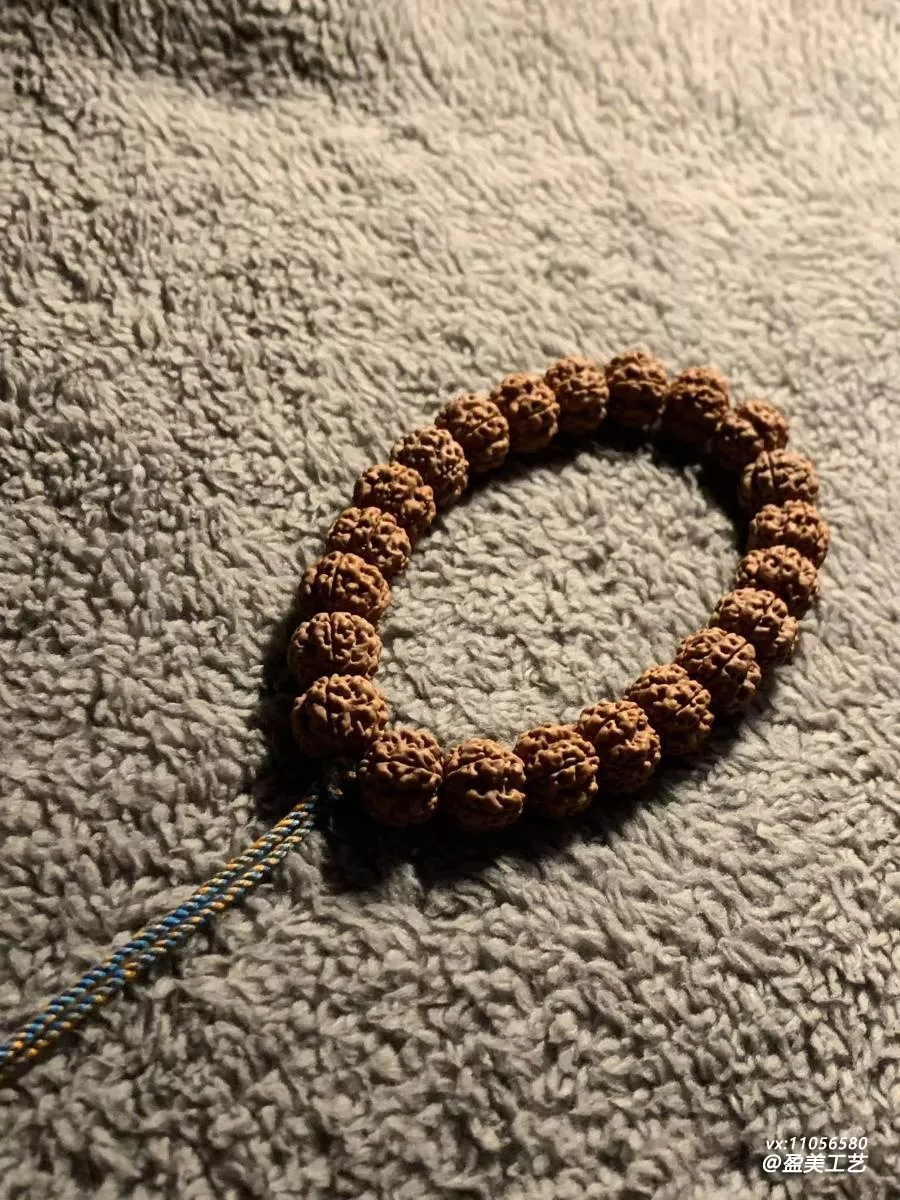
After three days of selection, fourteen seeds were chosen from over two hundred: twelve for the main mala and two as spares. For these fourteen selected seeds, the size, body shape, grain / texture, and color are all very uniform. They feel heavy in the hand, indicating excellent density.
Once the seeds were selected, drilling and stringing began. Drilling used a 1.5mm drill bit at a slow speed, doing it slowly one by one to avoid cracking. When stringing, the direction of each seed was kept consistent, facing outwards, with the dragon-ridge (ridge line) aligned uniformly, so it looks neat when turned. After stringing, a try-on was done: the customer's wrist size is 17.5cm, and twelve 20mm seeds plus the guru bead fit perfectly.
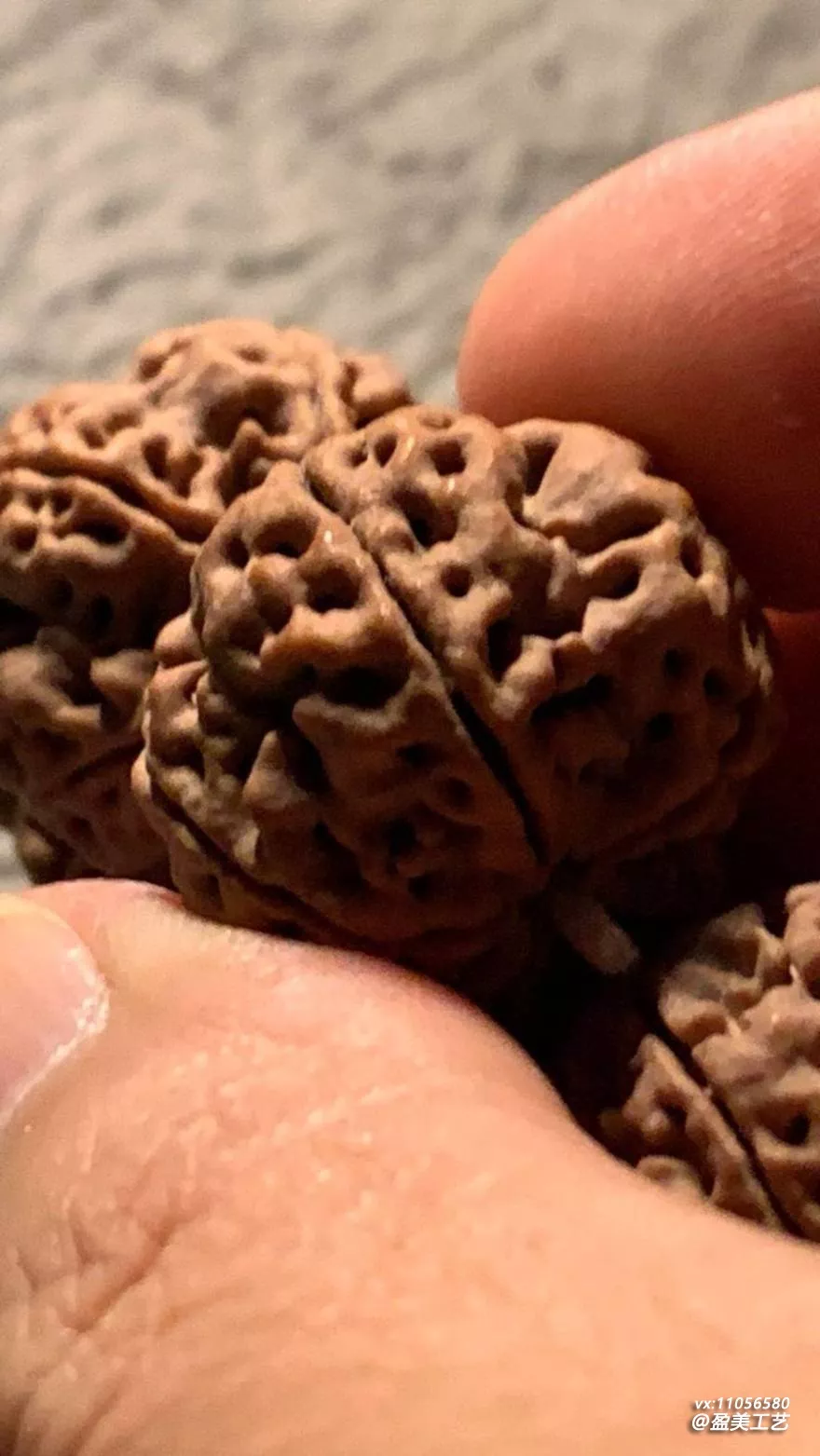
Finished result and customer feedback
After stringing, I delivered the mala to the customer. He examined it back and forth for a long time and was extremely satisfied. He said the ones he saw in livestreams before either had inconsistent sizes or uneven grain / texture depths, and were also expensive. This mala I selected carefully, with every bead very uniform, much better than those in livestreams.
Actually, helping customers select malas is just like this: it takes time and strains the eyes, but the selected mala is comfortable for the customer to wear and pleasing to look at. This hobby of cultural playthings is all about dedication; if you put your heart into it, it will reward you.
Concluding remarks
If friends also want to select a Rudraksha mala, I suggest being patient and not rushing. Compare more, look more, and the selected seeds won't be bad. This hobby is all about the process, it cannot be rushed.
I hope everyone can select a mala they are satisfied with and enjoy the breaking-in (patina process).