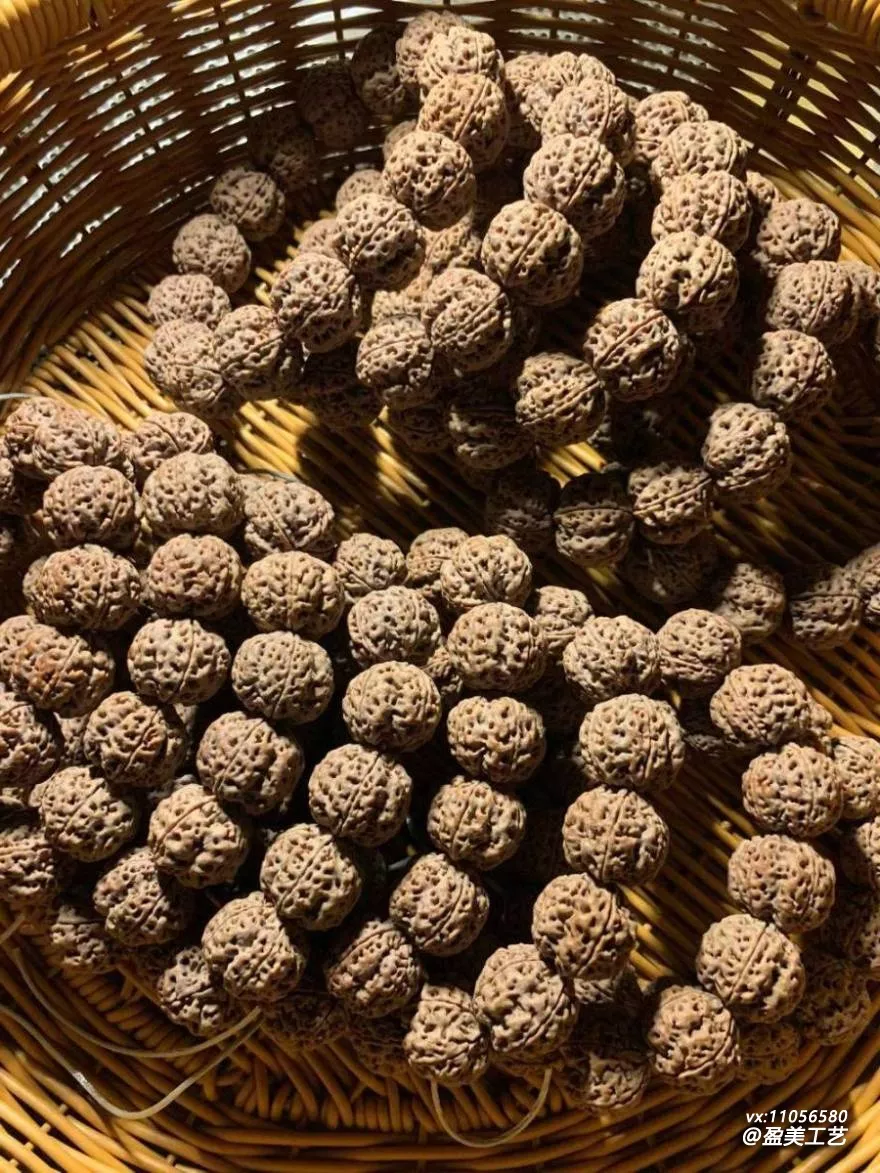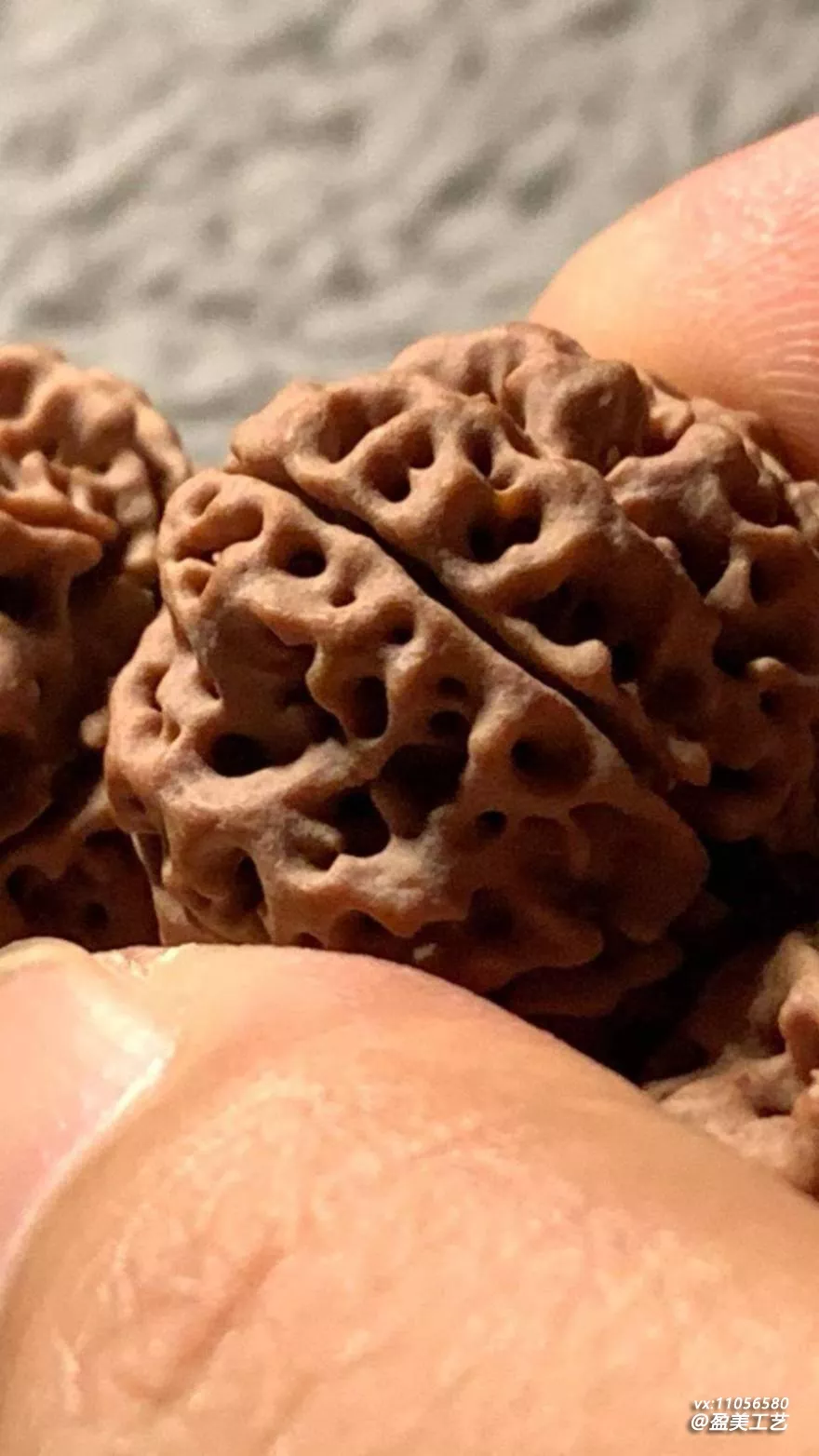
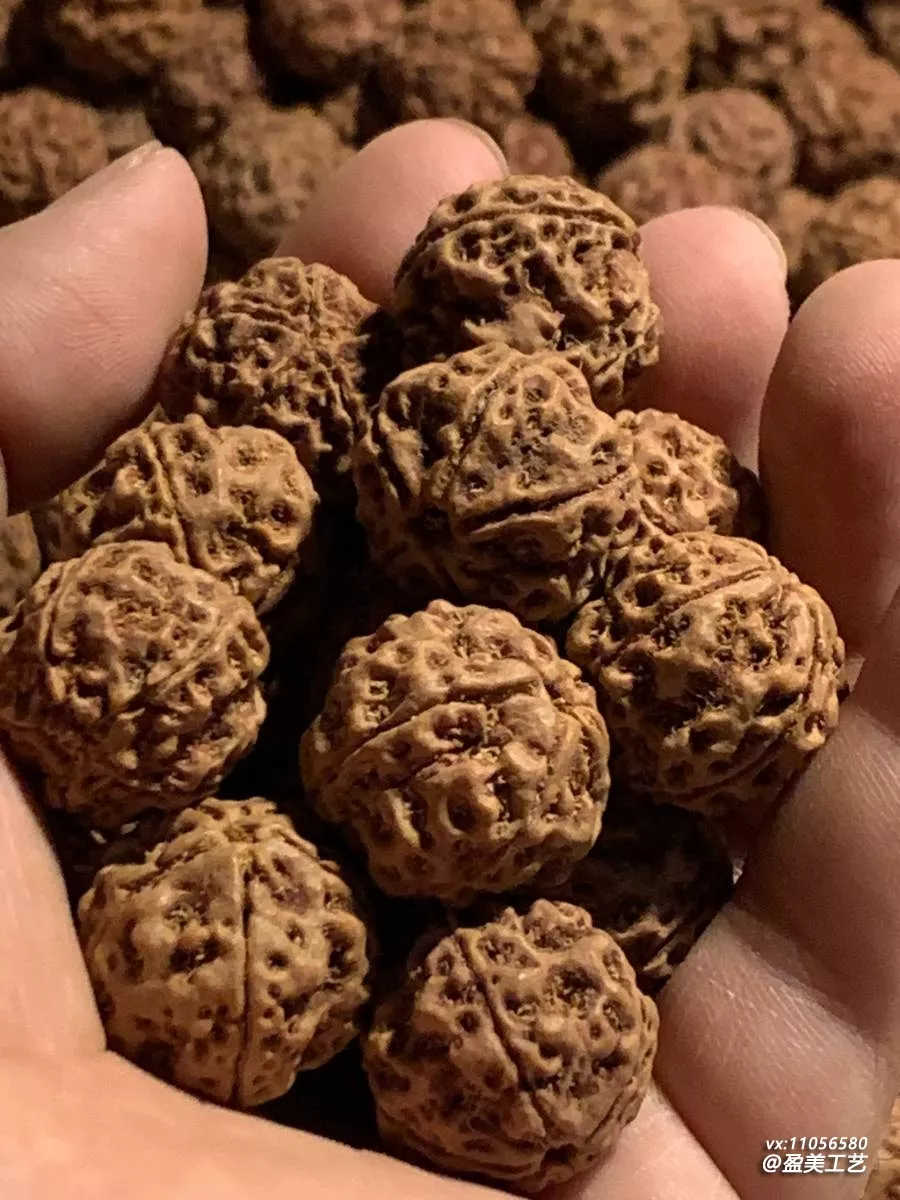
Choosing Base-Cleaning Tools
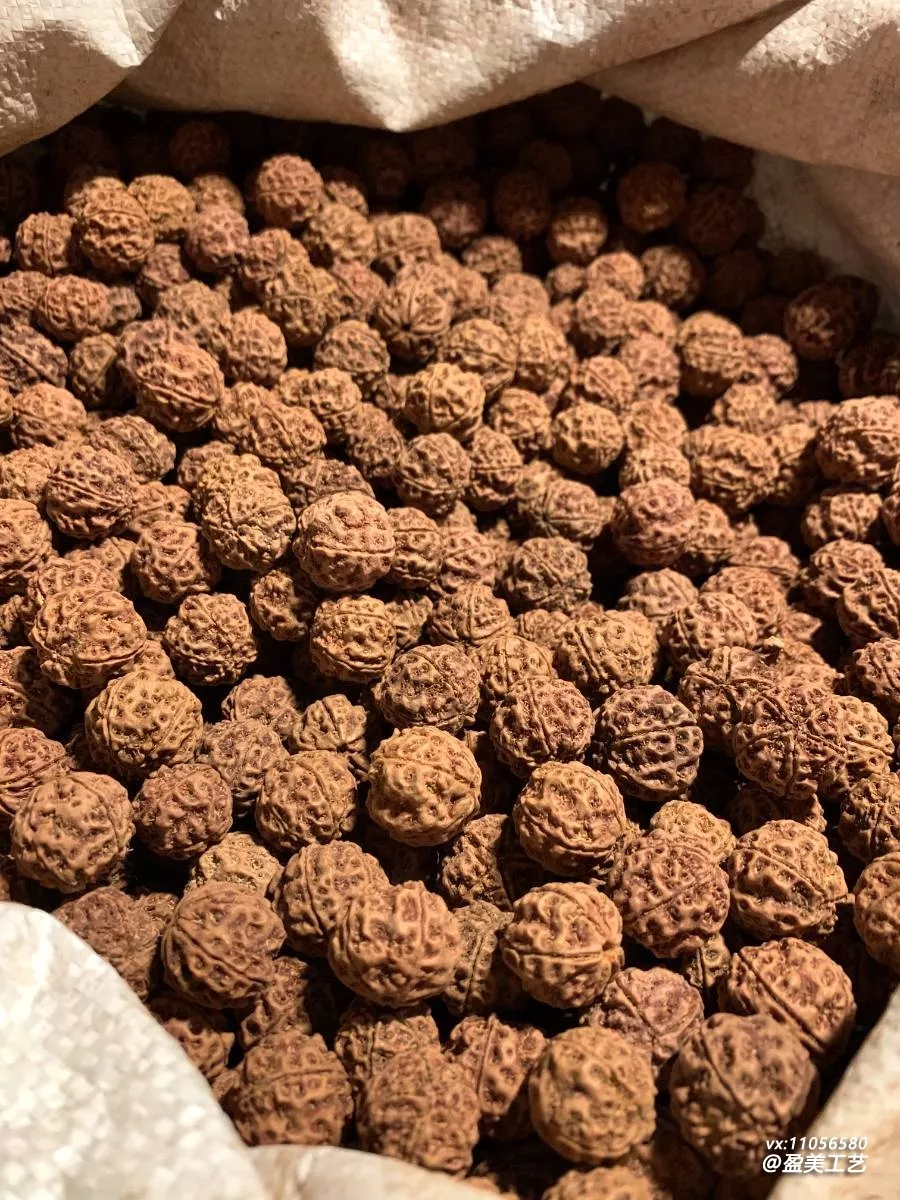
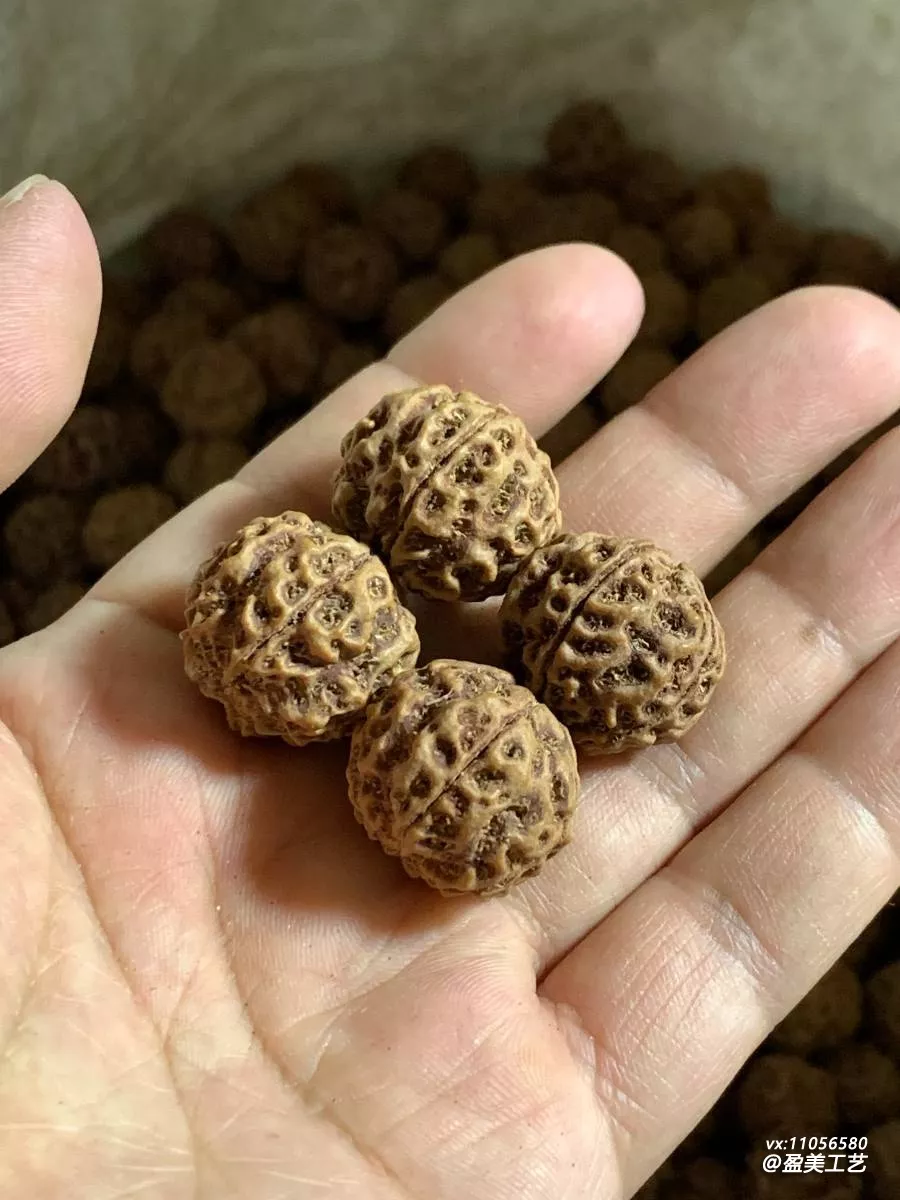
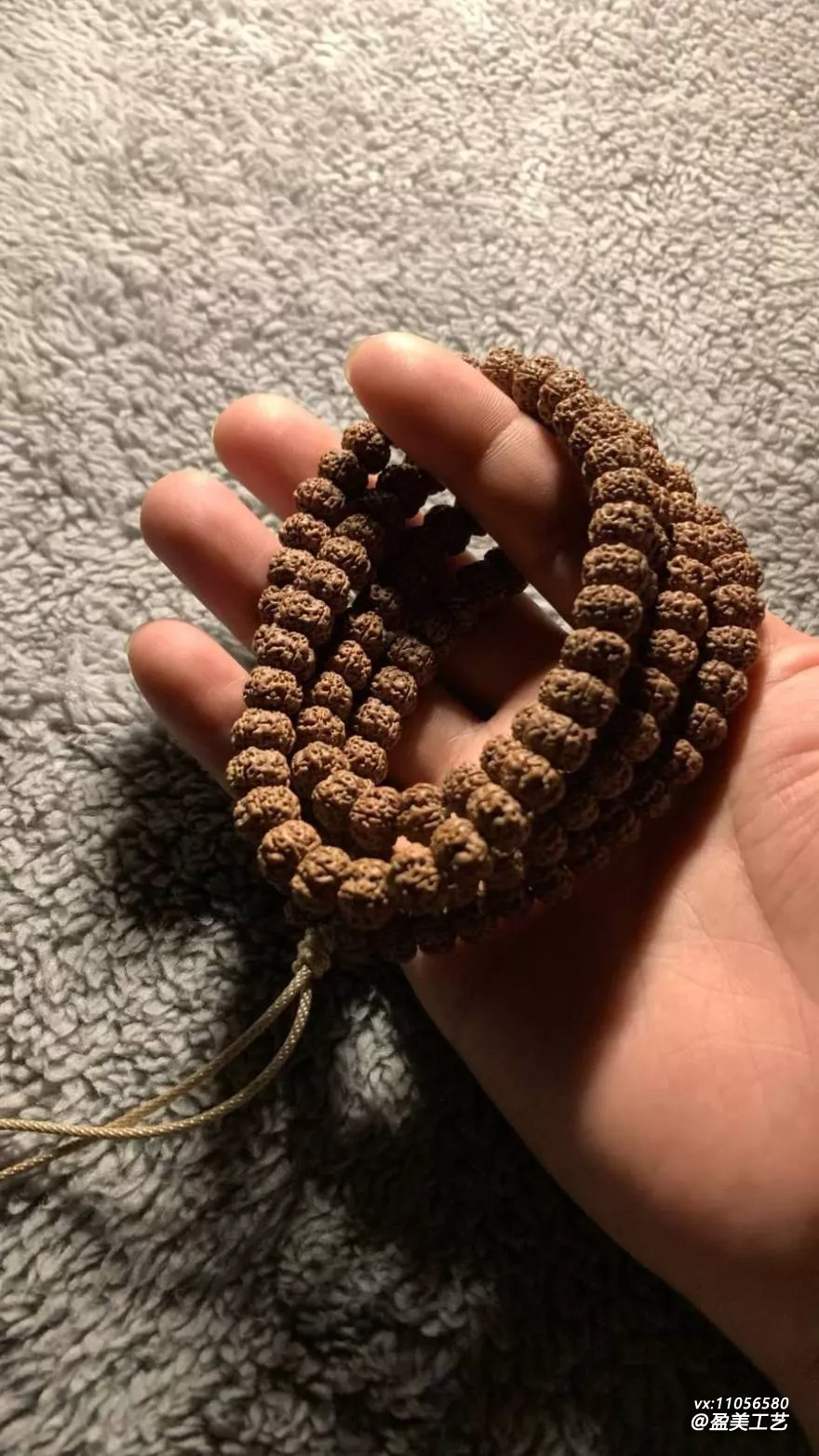
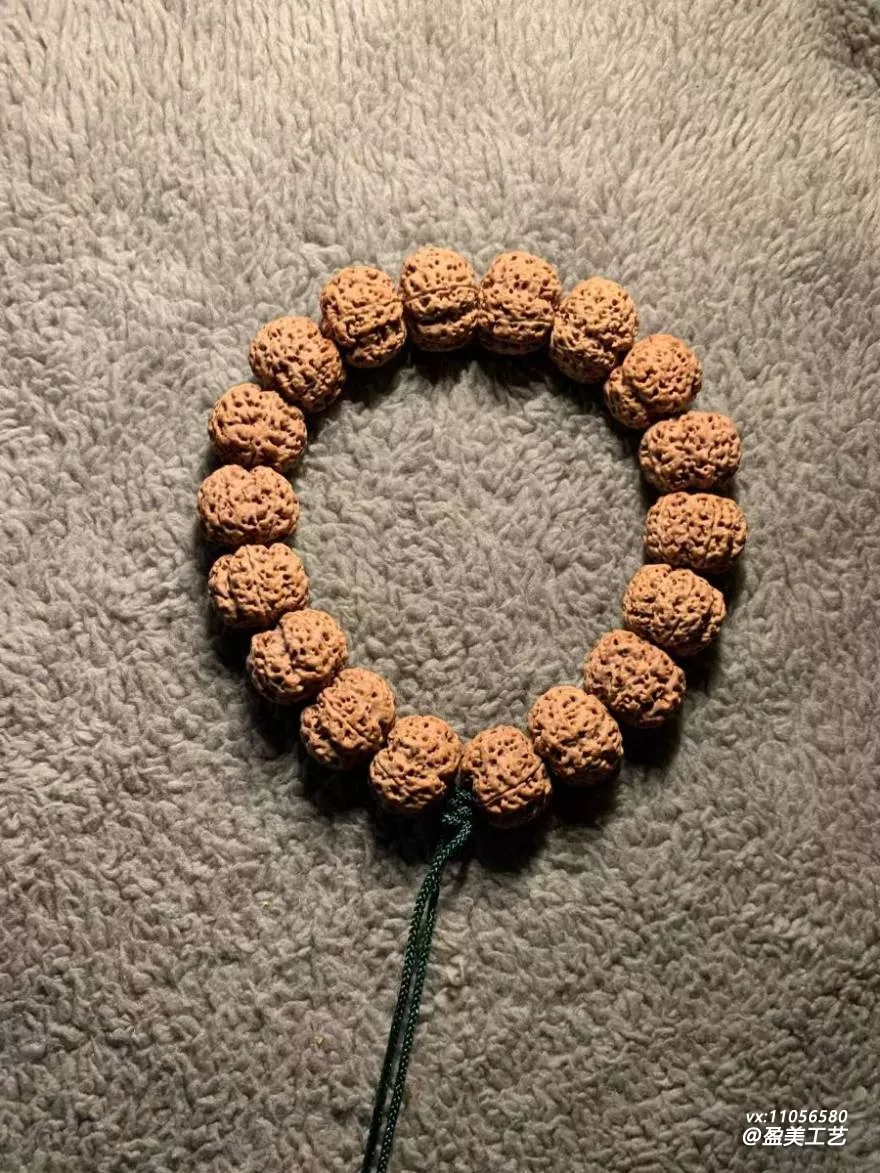
I've been into Rudraksha for a few years now. What kind of brush is best for the initial base cleaning of Rudraksha? Today I've put together my experience from all these years to give beginners a heads-up, so you don't take the same detours I did.
Looking back to when I first started, I knew nothing at all. I would pick up a mala and start breaking it in directly with my hands, only to end up with dull, uneven patina. I ruined several malas before I slowly figured out the tricks. All these experiences were earned at a real cost, and I hope they will be helpful to everyone.
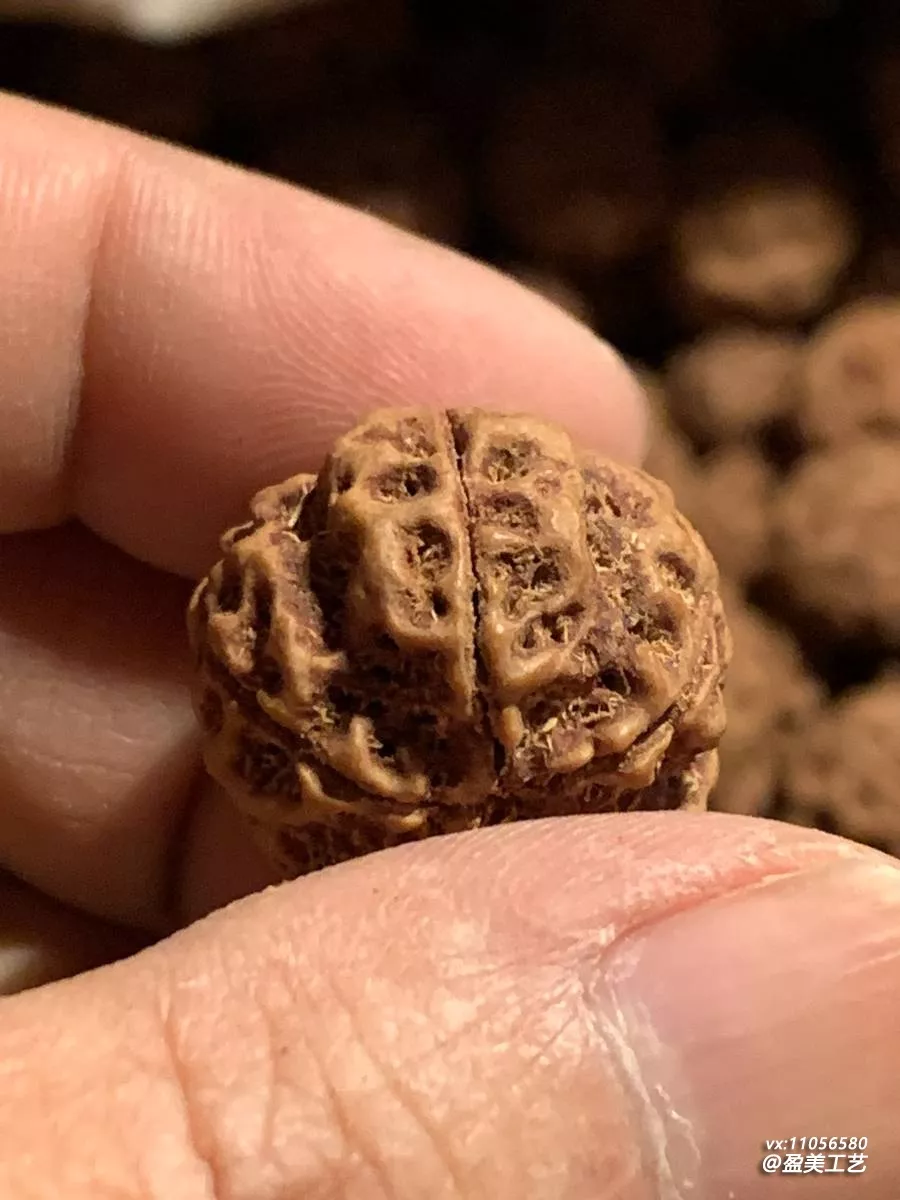
Choosing a Base-Cleaning Brush for Rudraksha
First of all, the base preparation: when you first get your Rudraksha, you must do the base preparation first. Thoroughly clean off all alkaline bloom residues on the surface and deep inside the grain / texture before you start breaking it in with your hands. The base preparation takes at least one month: brush the beads for 20 minutes every day, until the surface of the seeds develops a soft, subtle matte finish.
Next is the breaking-in (patina process) stage: in the early phase, prioritize brushing over handling, brushing for 20 minutes and handling for 10 minutes each day. After three months, once the glossy sheen forms, you can handle more and brush less. Make sure your hands are clean when handling, only slightly sweaty is ideal — do not break in the beads roughly with heavily sweaty hands. Wipe the mala with a dry cloth after each handling session.
Also, for maintenance: Rudraksha (large) is afraid of wind, water and large temperature differences. When not wearing it, put it in a sealed bag, and don't place it near air conditioning vents or in direct sunlight. Wipe it frequently when sweating a lot in summer, and don't let sweat accumulate in the grain.
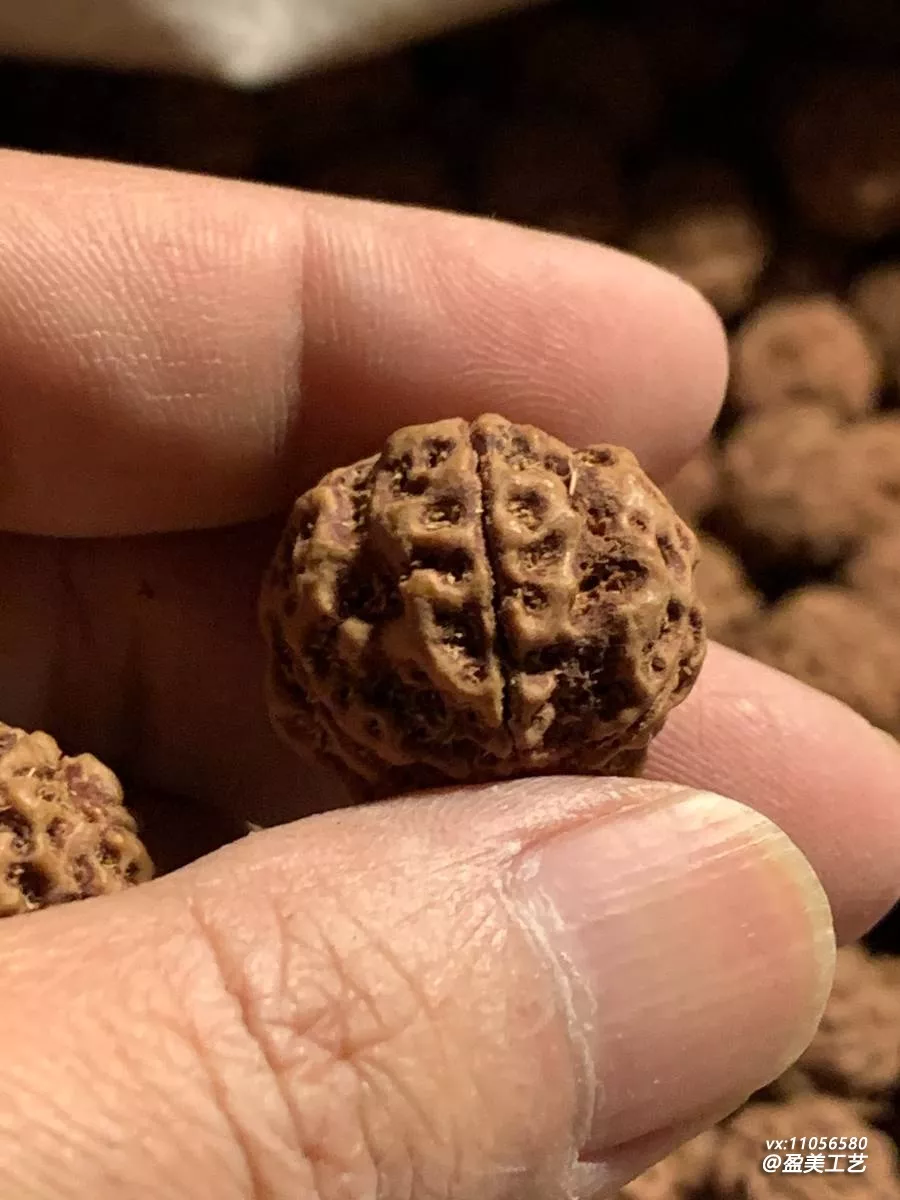
Common Problem Solutions
Common issues during the breaking-in (patina process) include alkaline bloom, cracking, color variation, and darkening. If alkaline bloom appears, brush more, using a stiff-bristle brush to focus on the deep areas of the grain; it will recover after about a week of consistent brushing. If cracks appear and they are small, keep playing with it and they will gradually become less noticeable as the patina develops; if the cracks are larger, it is best to replace it.
Color variation is the most common issue and almost every mala (prayer beads) will experience it. Don't worry—place the lighter beads in the middle and play with them more, and play with the darker ones less. After one to two months of consistency, the color variation will gradually diminish. If the beads have darkened, wipe them more with a clean cloth, reduce playing time, brush more, and they will slowly recover to some extent.
A Little Reflection
Actually, breaking in Rudraksha is simple to some and difficult to others. What's simple is that as long as you use the right method and have patience, anyone can break in a good mala (prayer beads); what's difficult is that many people are impatient for quick results, always wanting to quickly turn them red and quickly develop patina, but end up taking detours instead.
With collectibles like this, it's all about the process—you can't rush it. I hope everyone can break in a mala (prayer beads) they're satisfied with and enjoy the process.