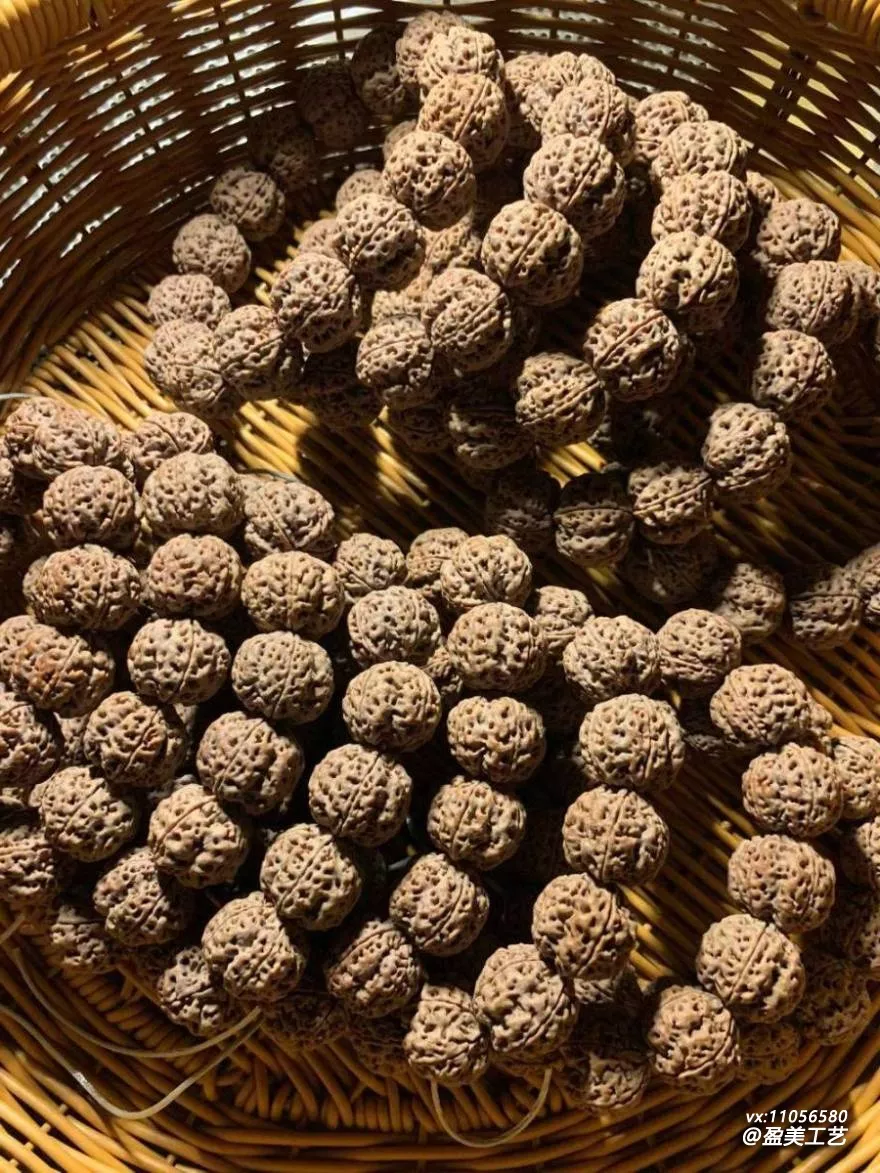
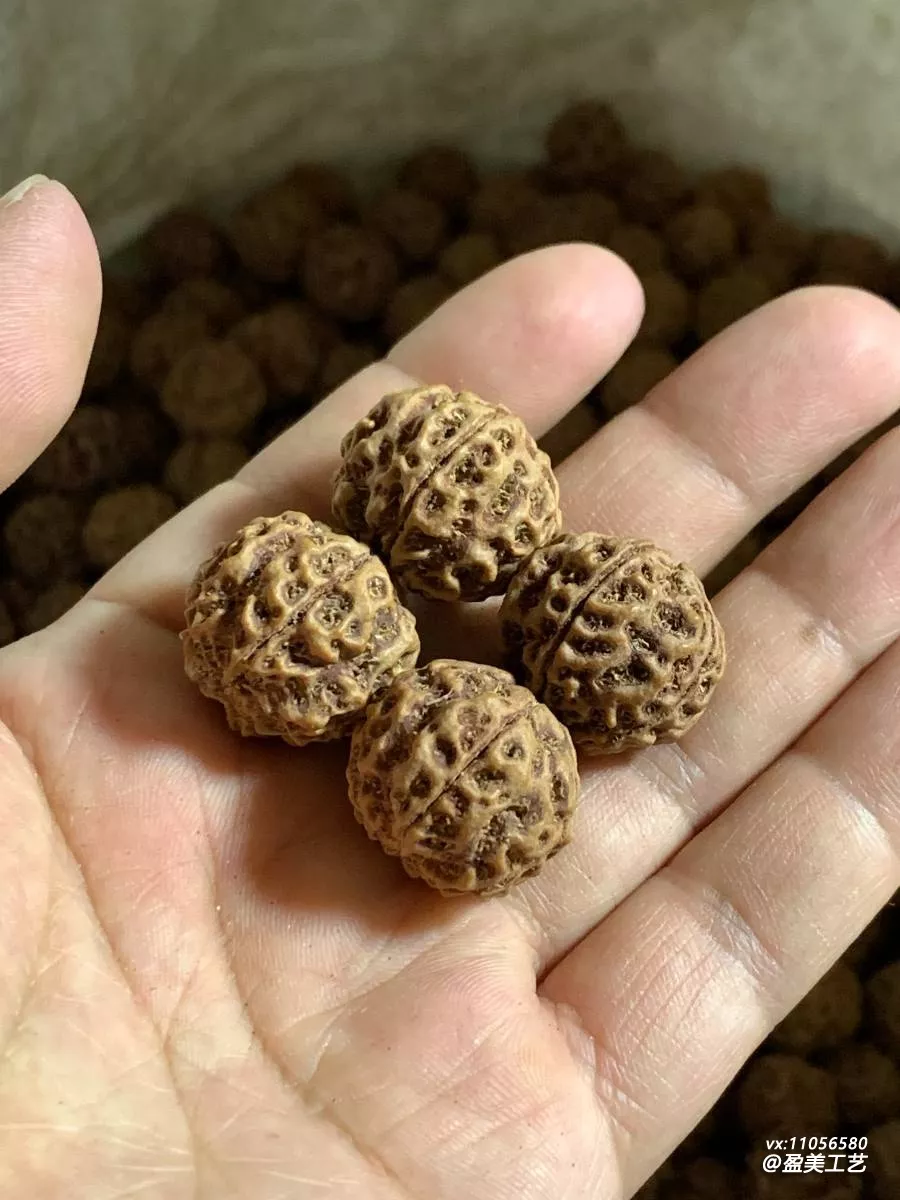
Tips for Breaking-in (Patina Process) in Winter
I've been into Rudraksha for several years now. Let me share what to watch out for when breaking in Rudraksha in winter. Today I've compiled my years of experience to give a heads-up to beginners, so you don't have to take detours like I did.
I still remember when I first started, I knew nothing and just started breaking in the mala right away. The result was dull, uneven patina, and I ruined quite a few malas before I finally figured things out. These tips are hard-earned with real money, and I hope they help you.
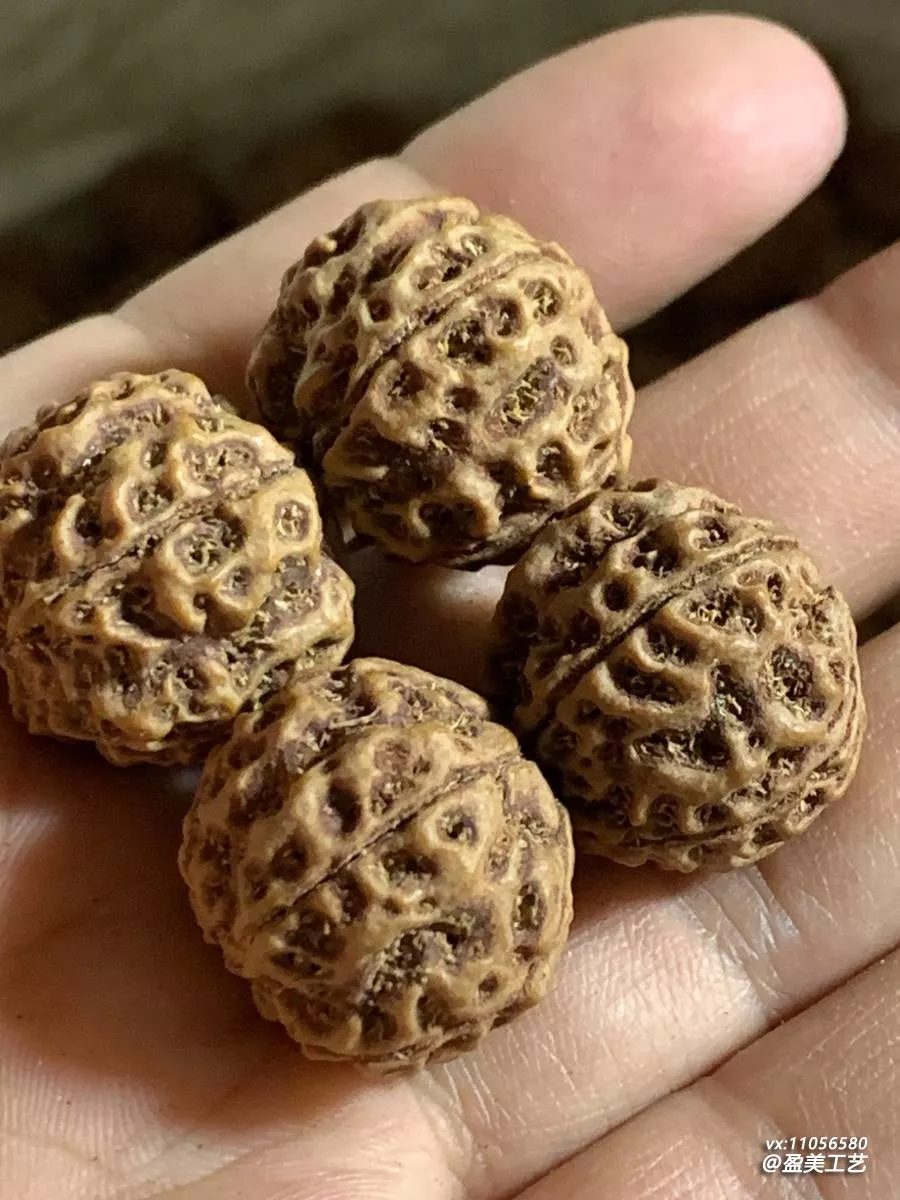
Winter Care Tips for Breaking in Rudraksha
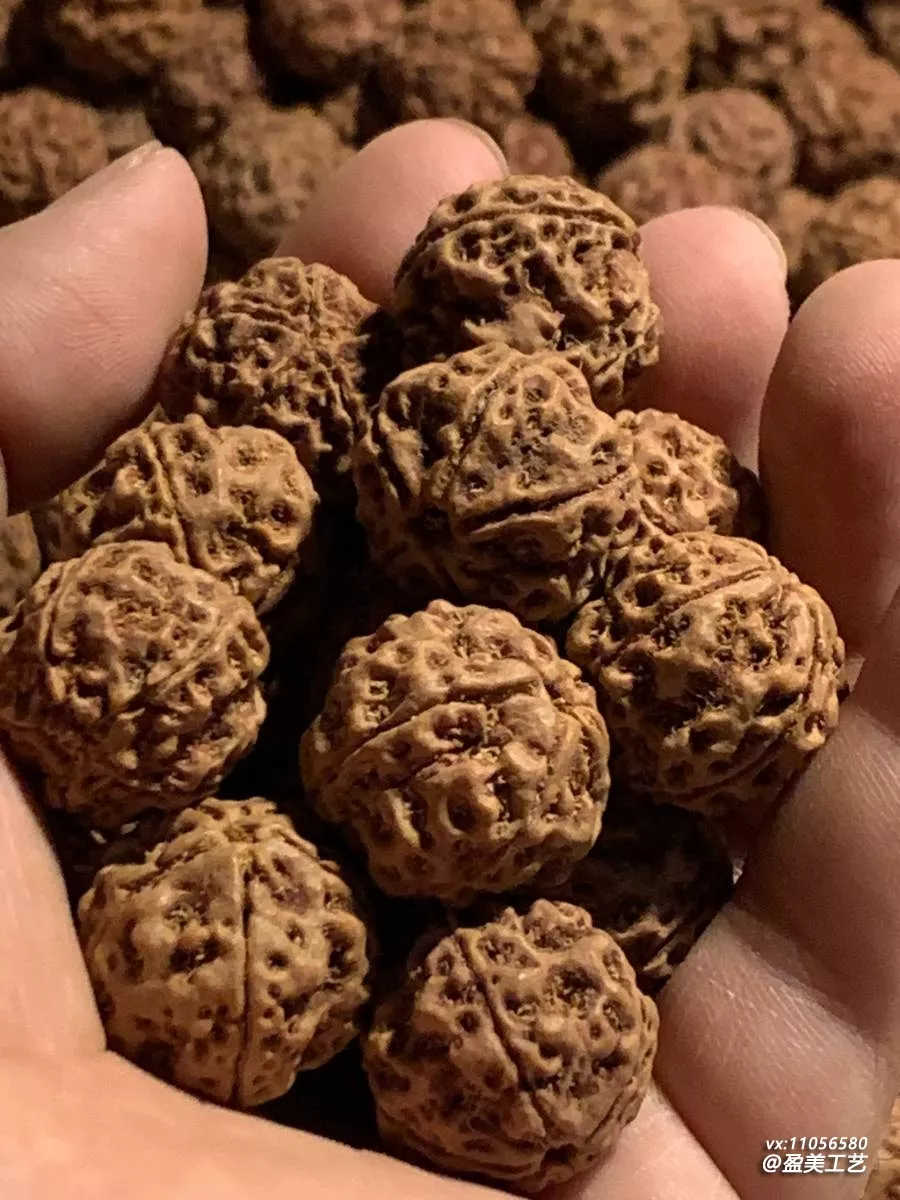
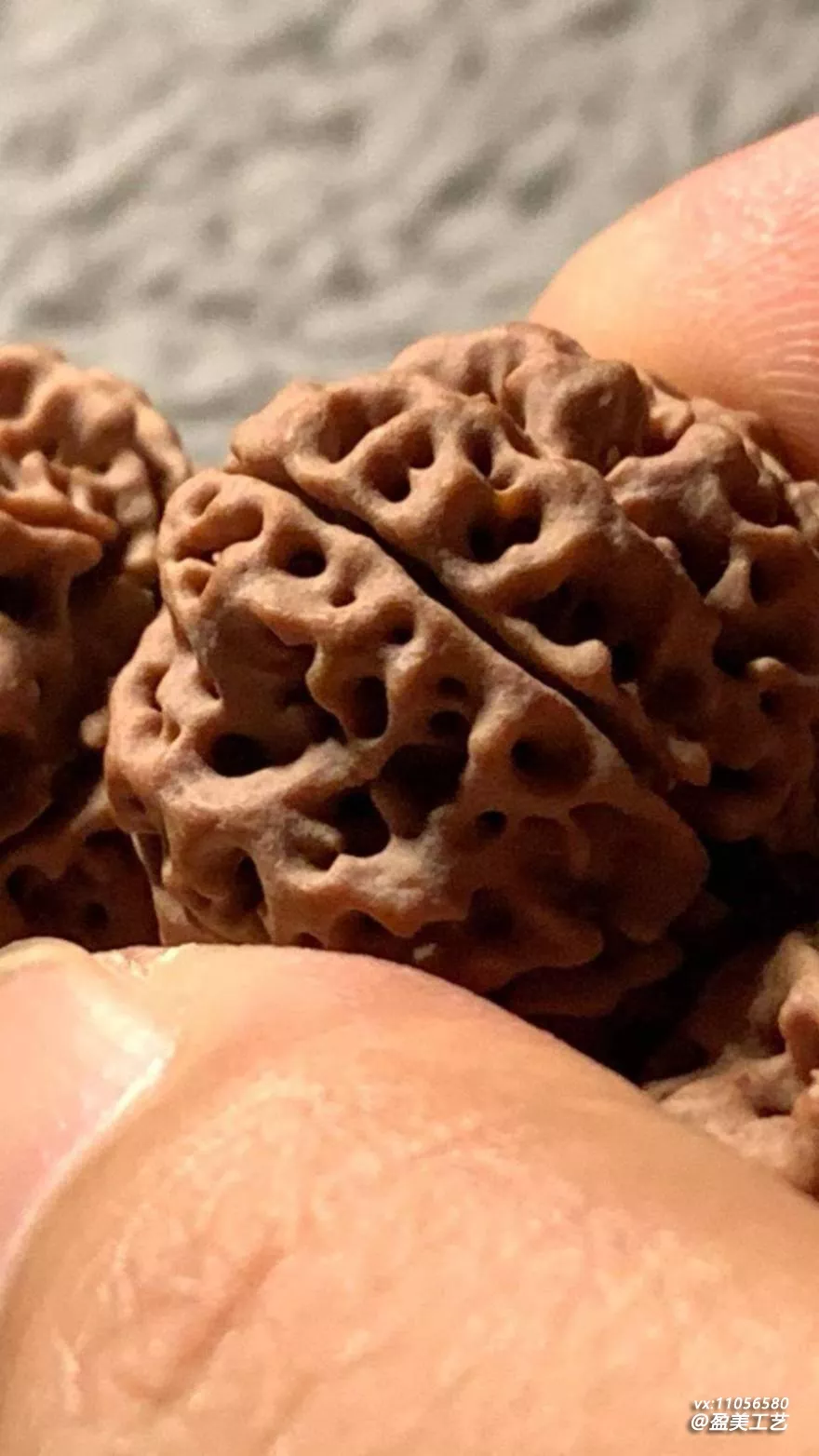
First and foremost is the base preparation. When you first get your Rudraksha, you must do the base prep first: thoroughly clean off the alkaline bloom residue from the surface and deep within the grain/texture before you start breaking it in by hand. Base prep takes at least a month — brush for 20 minutes every day until the surface of the beads develops a warm, matte luster.
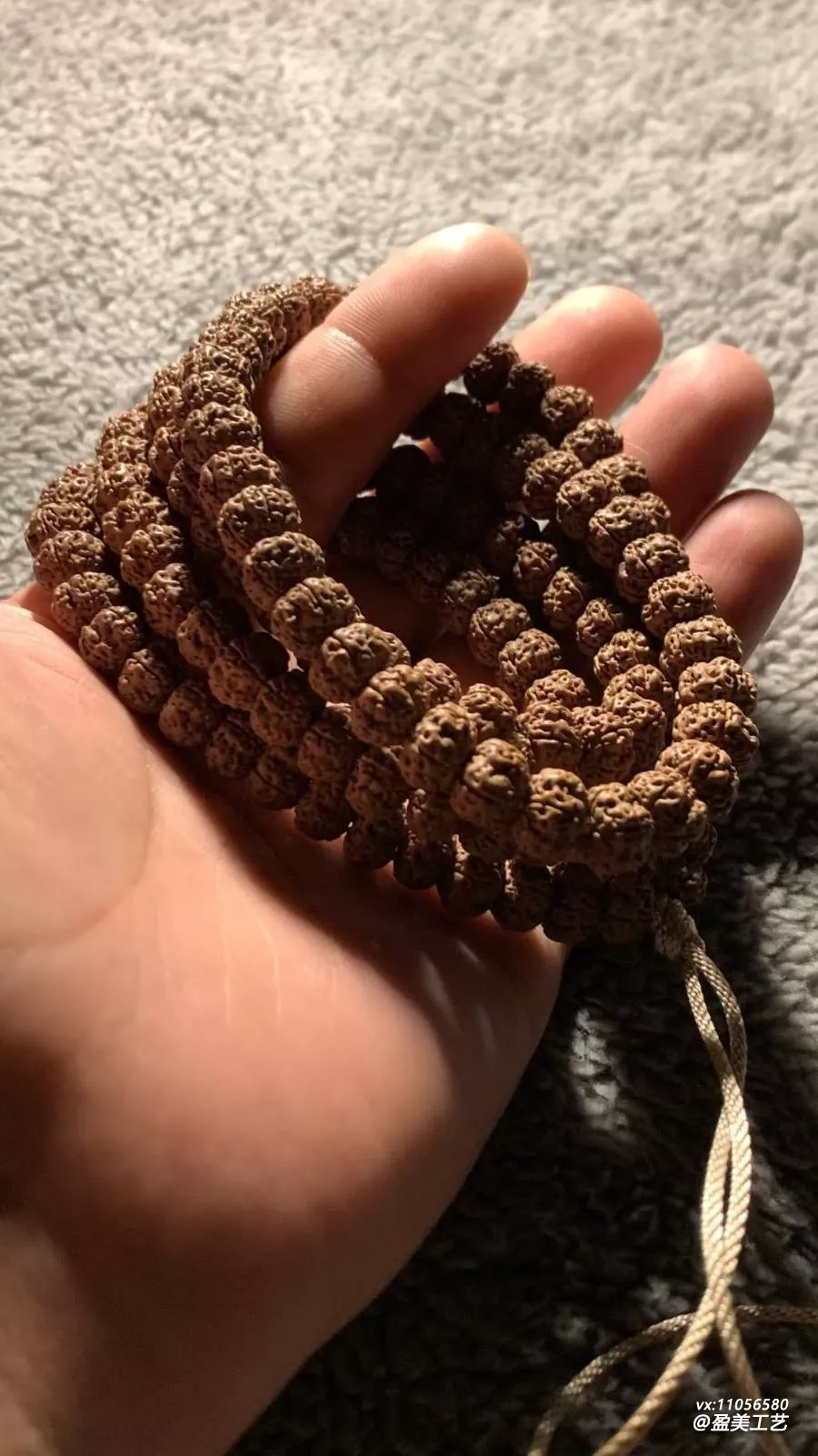
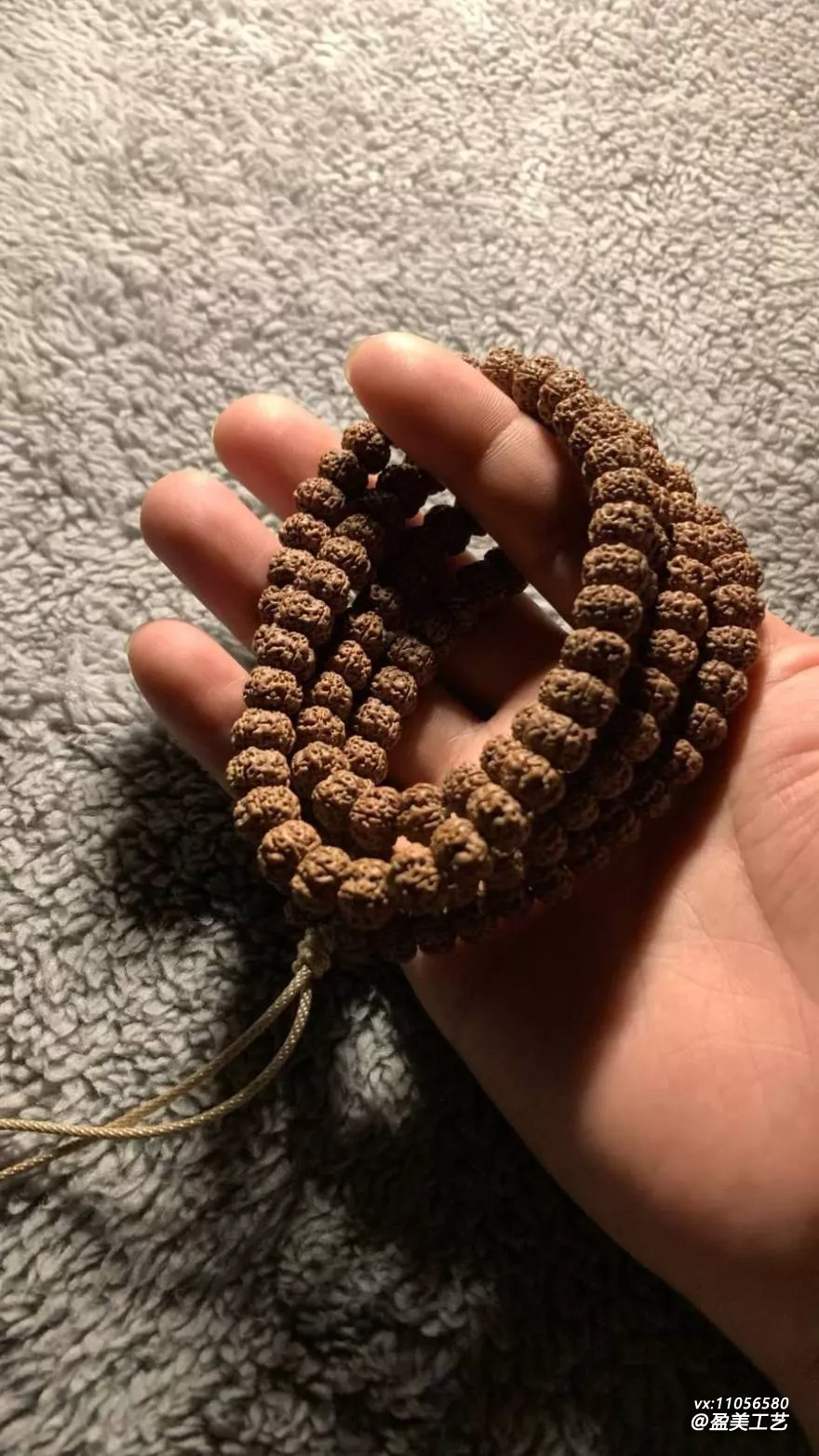
Next is the breaking-in (patina process). In the early stage, focus on brushing and only do light hand breaking-in: 20 minutes of brushing and 10 minutes of hand breaking-in per day. After three months, once a glossy sheen develops, you can do more hand breaking-in and less brushing. Make sure your hands are clean when breaking in — light sweat is fine, but never break in aggressively with heavy sweat. Wipe the mala with a dry cloth after each session.
Then there's maintenance. Rudraksha is sensitive to wind, water, and drastic temperature changes. When you're not wearing it, store it in a sealed bag — never place it near an air conditioner vent or in direct sunlight. In summer when you sweat more, wipe it frequently to prevent sweat from accumulating in the grain/texture.
Solutions to Common Issues
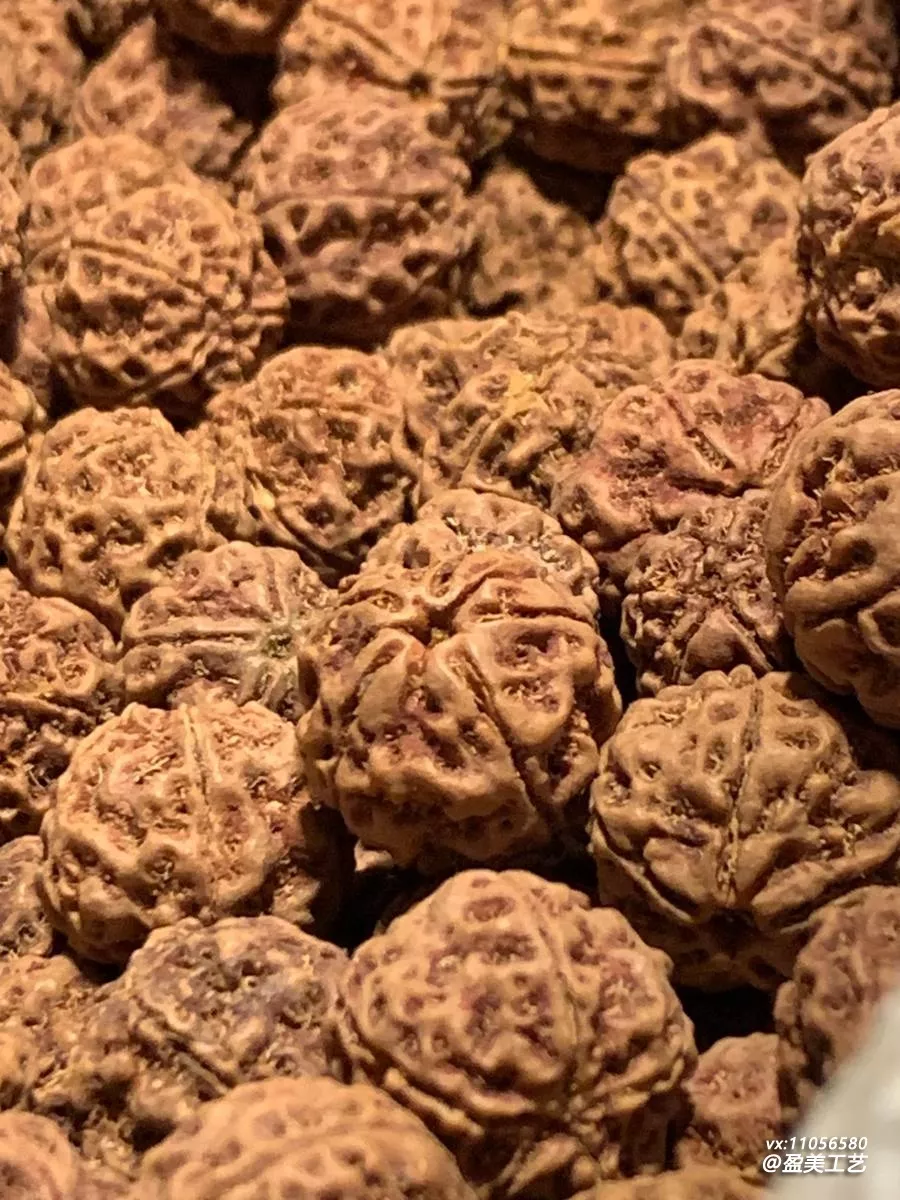
Common problems during the breaking-in process include alkaline bloom, cracking, color variation, and darkening. If alkaline bloom appears, brush more — use a stiff bristle brush to focus on the deep grain/texture, and it will clear up after a week of consistent brushing. For cracking: if it's a small crack, keep breaking it in and the patina will gradually make it less noticeable; if the crack is quite large, it's recommended to replace that bead.
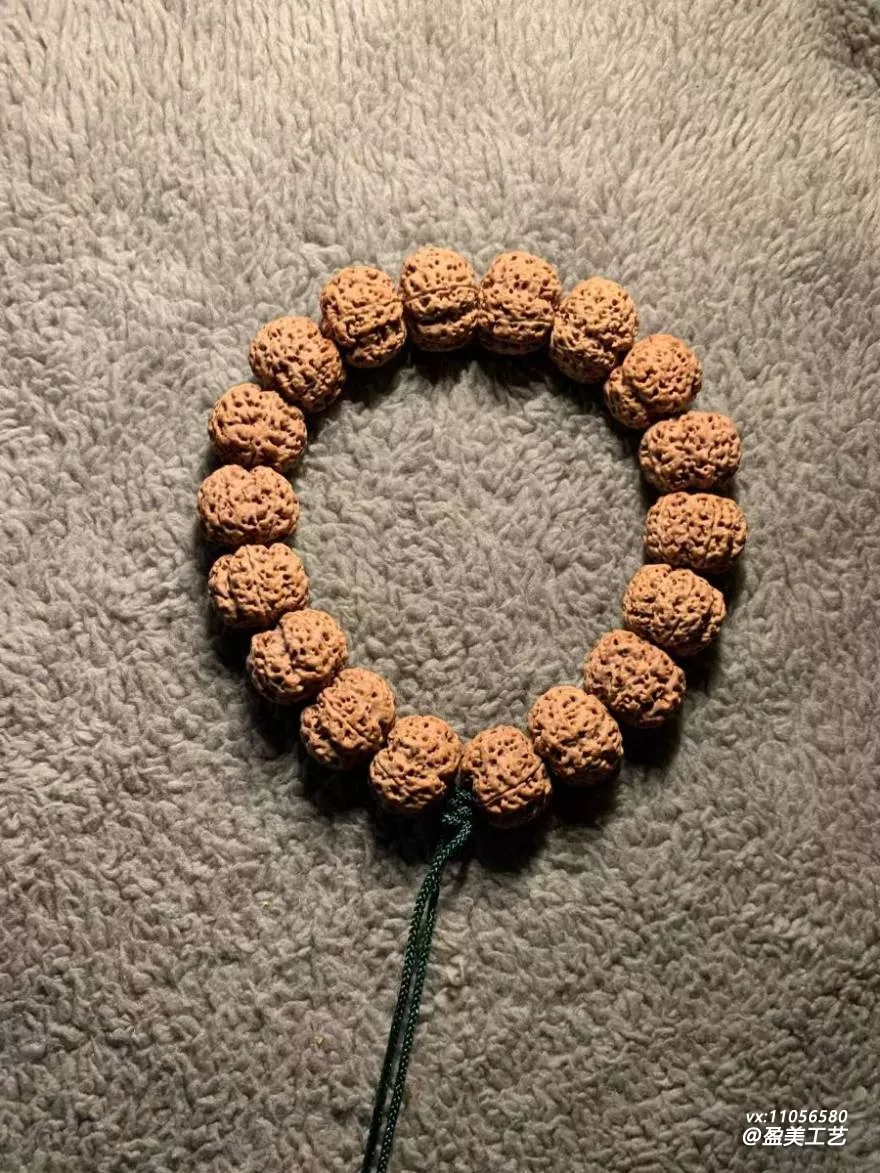
Color variation is the most common issue — almost every mala will have it, so don't panic. Place the lighter-colored beads in the middle to get more hand breaking-in time, and give the darker ones less. After one to two months of consistency, the color difference will narrow. If the mala darkens, wipe it more with a clean cloth, reduce hand breaking-in time, and brush more — it will recover somewhat over time.
A Few Casual Words
Actually, breaking in Rudraksha is both simple and difficult. It's simple because as long as you use the right method and have patience, anyone can end up with a great mala. It's difficult because many people are eager for quick results — they always want to rush the reddening and patina process, and end up taking detours instead.
Wenwan (cultural collectibles) are all about the process — you can't rush it. I hope everyone can break in a mala they're satisfied with, and enjoy the journey.