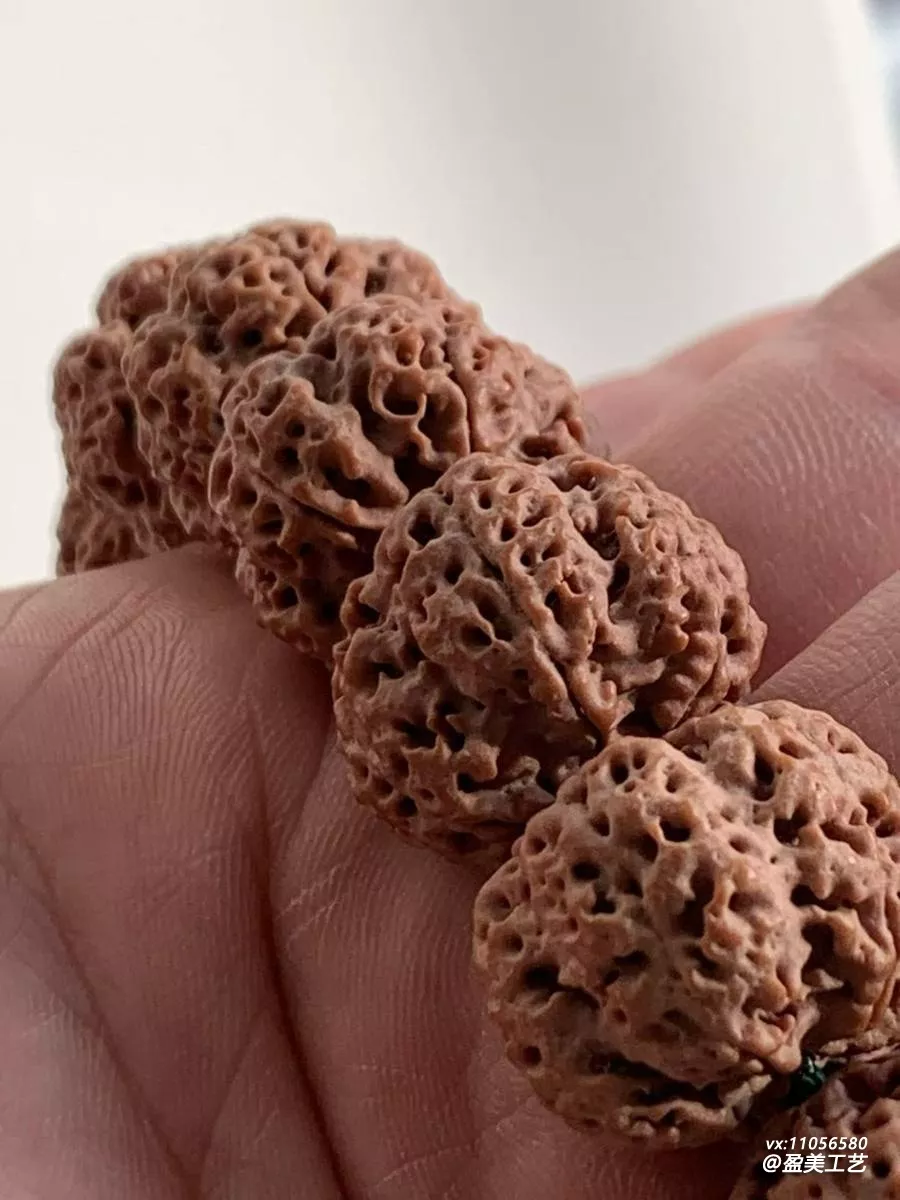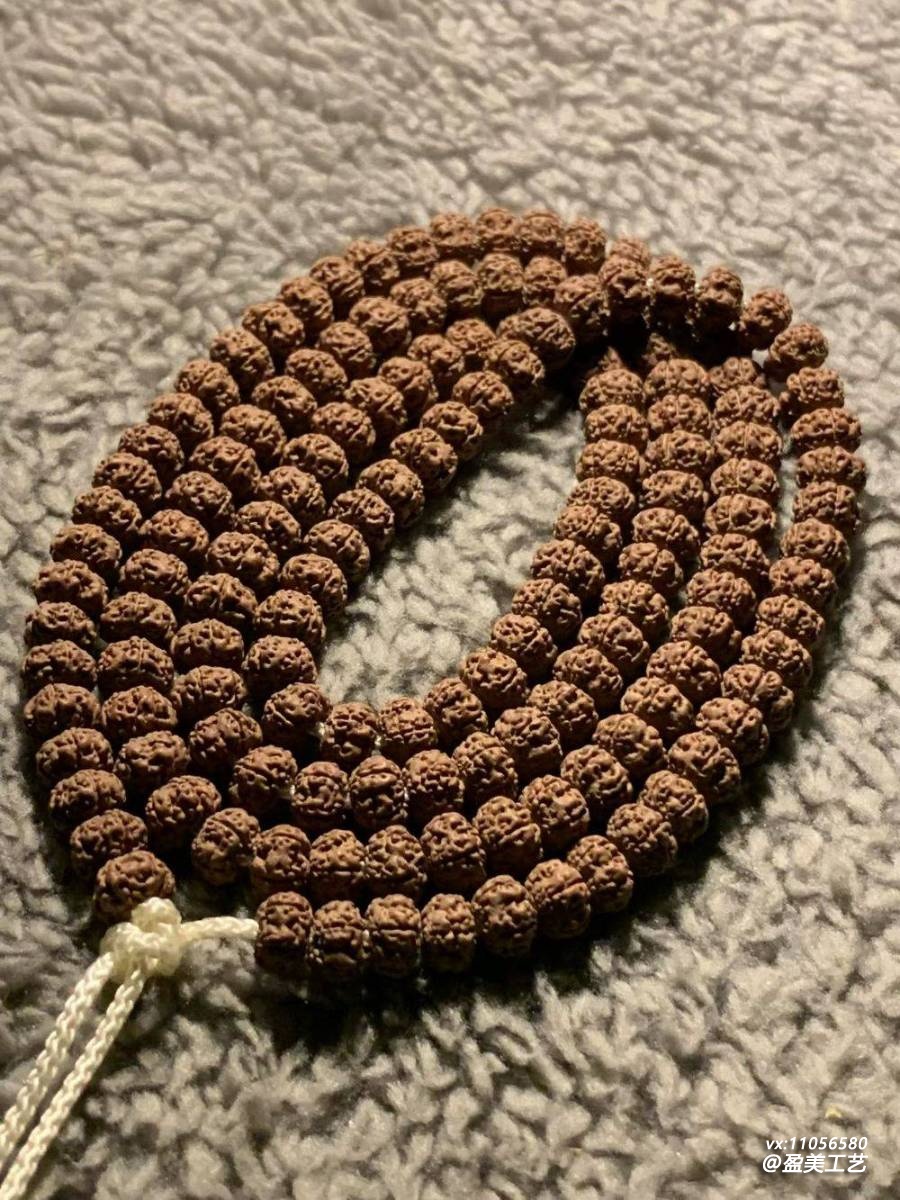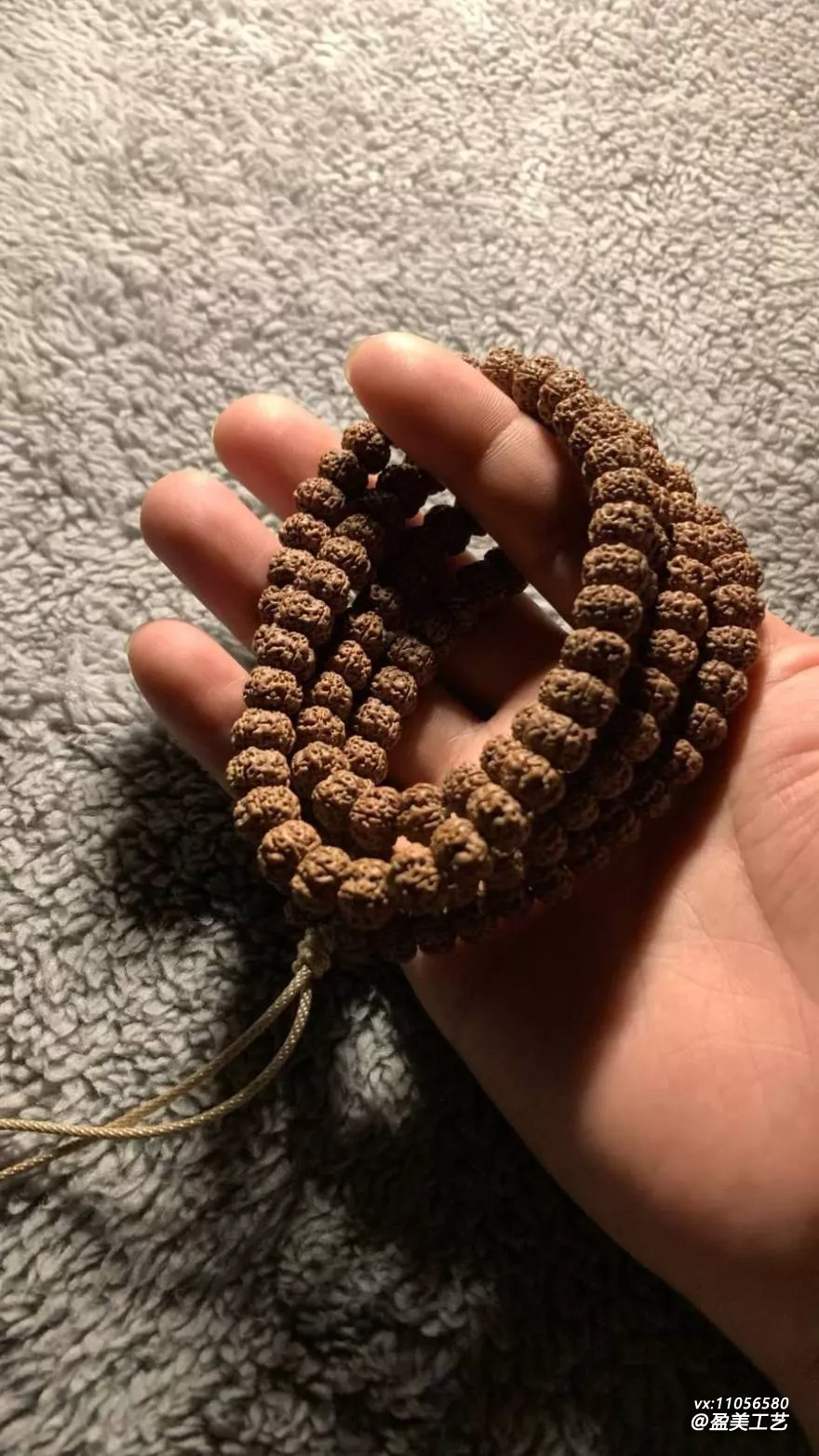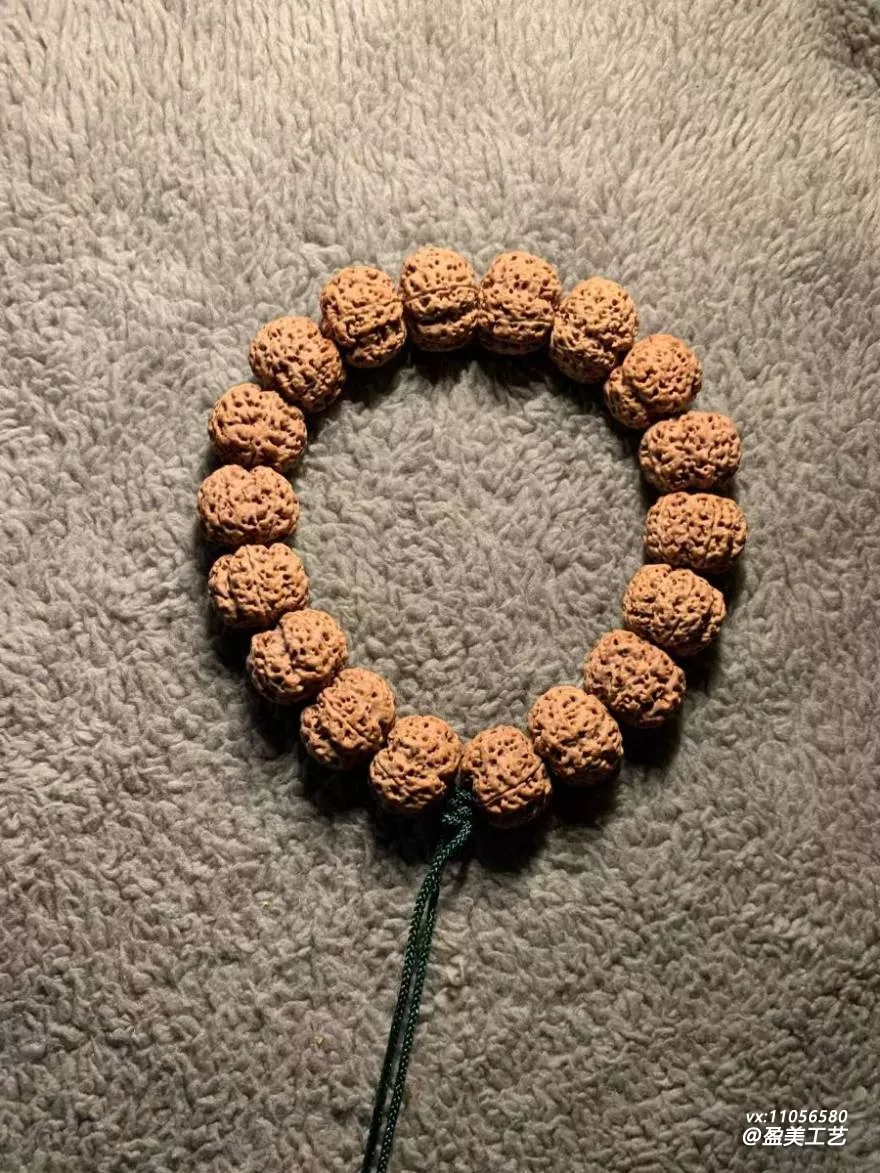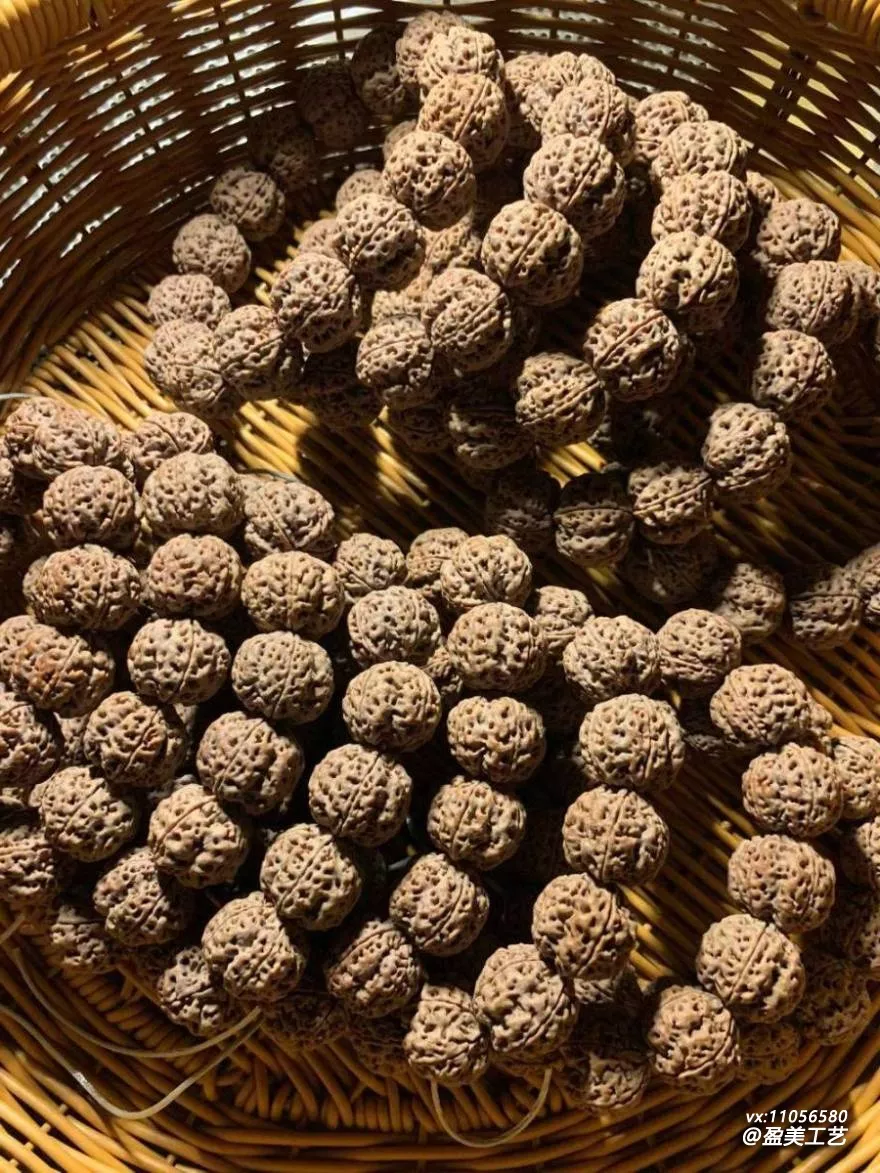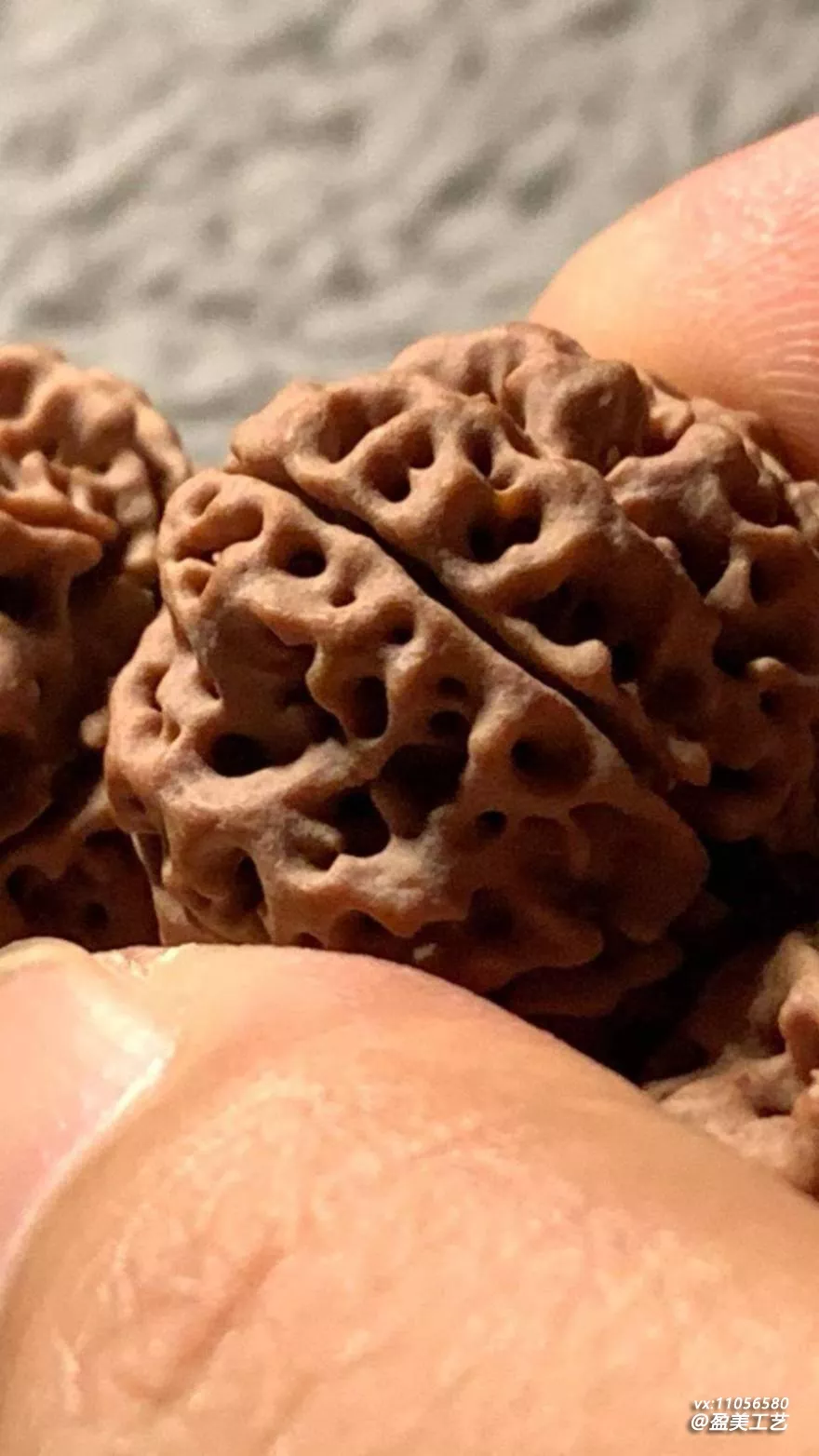
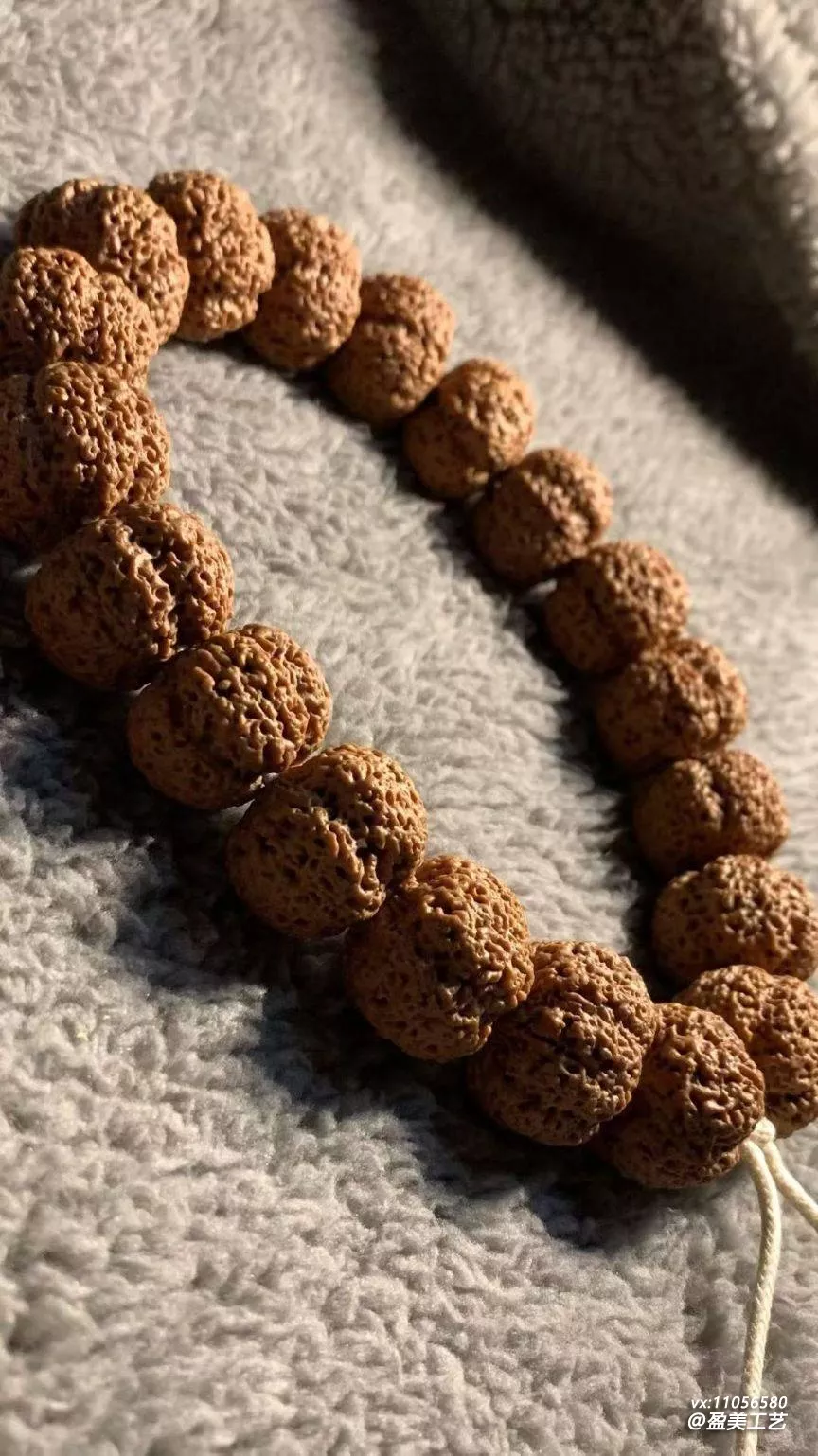
Thinking back to when I first started playing with Rudraksha, I really fell into countless pitfalls. Back then I knew nothing—I saw others' malas looking beautiful, so I bought one and started breaking it in right away. The results were malas that turned dull, developed uneven coloring, or cracked. I ruined several malas before gradually figuring things out. Today I've compiled the five pitfalls I fell into back then, as a heads-up for beginners so you don't take the same detours I did.
1. Breaking in without prepping the base first
This was my first mistake, and the most fatal one. When I first got my mala, I thought the beads looked pretty clean and started handling them right away. After a week of breaking in, the bead surfaces started turning dull and grayish, with no shine at all. At the time I thought it was a problem with the beads, but later I learned it was because I hadn't prepped the base.
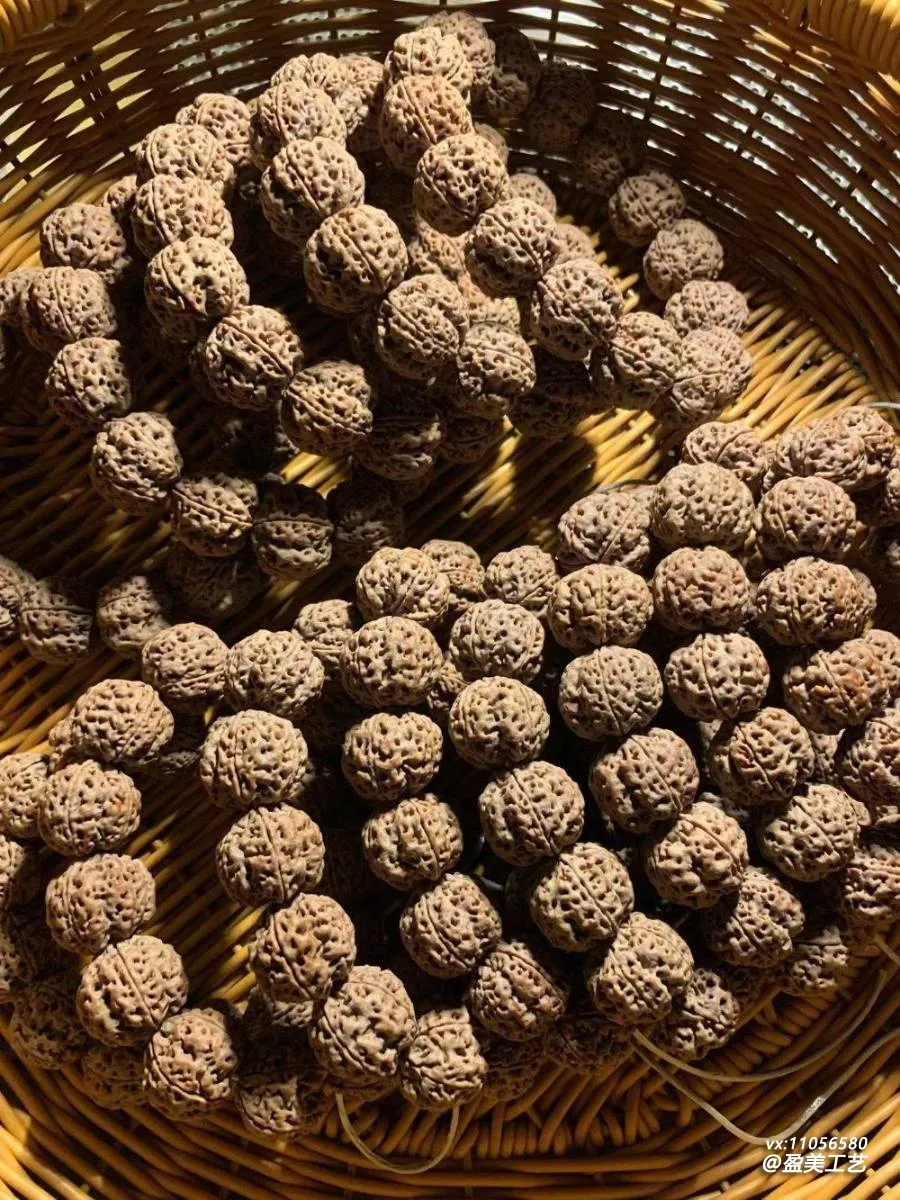
When Rudraksha first arrives, there's a layer of alkaline bloom and residue on the surface and deep in the grain / texture. If you don't clean these off and start handling them right away, they get sealed inside the patina, and the mala will forever look grayish—no amount of brushing will fix it.
The right approach is to prep the base first when you get the mala: use a stiff-bristle brush for twenty minutes a day, for at least a month, to clean the alkaline bloom off the surface and deep in the grain / texture, until the beads develop a warm matte sheen—only then start handling them. With a good base prep, the subsequent breaking-in (patina process) is much easier, and the patina will be clear and translucent.
2. Heavy handling with sweaty hands
The second mistake was heavy handling with sweaty hands. When I first started, I heard people say sweaty hands color Rudraksha faster, so in the summer I wore it every day while exercising and rubbed it even when drenched in sweat. After half a month, the beads started getting sticky and the color turned uneven—some spots dark, some light. It looked terrible.
Rudraksha breaking-in (patina process) does need sweat, but more isn't better. A small amount of sweat helps color the beads, but large amounts of sweat pooling on the bead surface, especially deep in the grain / texture, will soak and damage the beads, causing uneven coloring and dullness. And if you don't wipe them dry promptly after handling with sweaty hands, the dried sweat leaves a white frost layer on the surface that's very hard to clean.
The right approach is to keep your hands clean when handling—just slightly sweaty, no heavy sweating. After handling, wipe the beads with a clean cloth to remove surface sweat, especially deep in the grain / texture. In summer when you sweat a lot, brush more and handle less, or wear gloves to avoid direct contact between sweat and the beads.
3. Only handling, never brushing
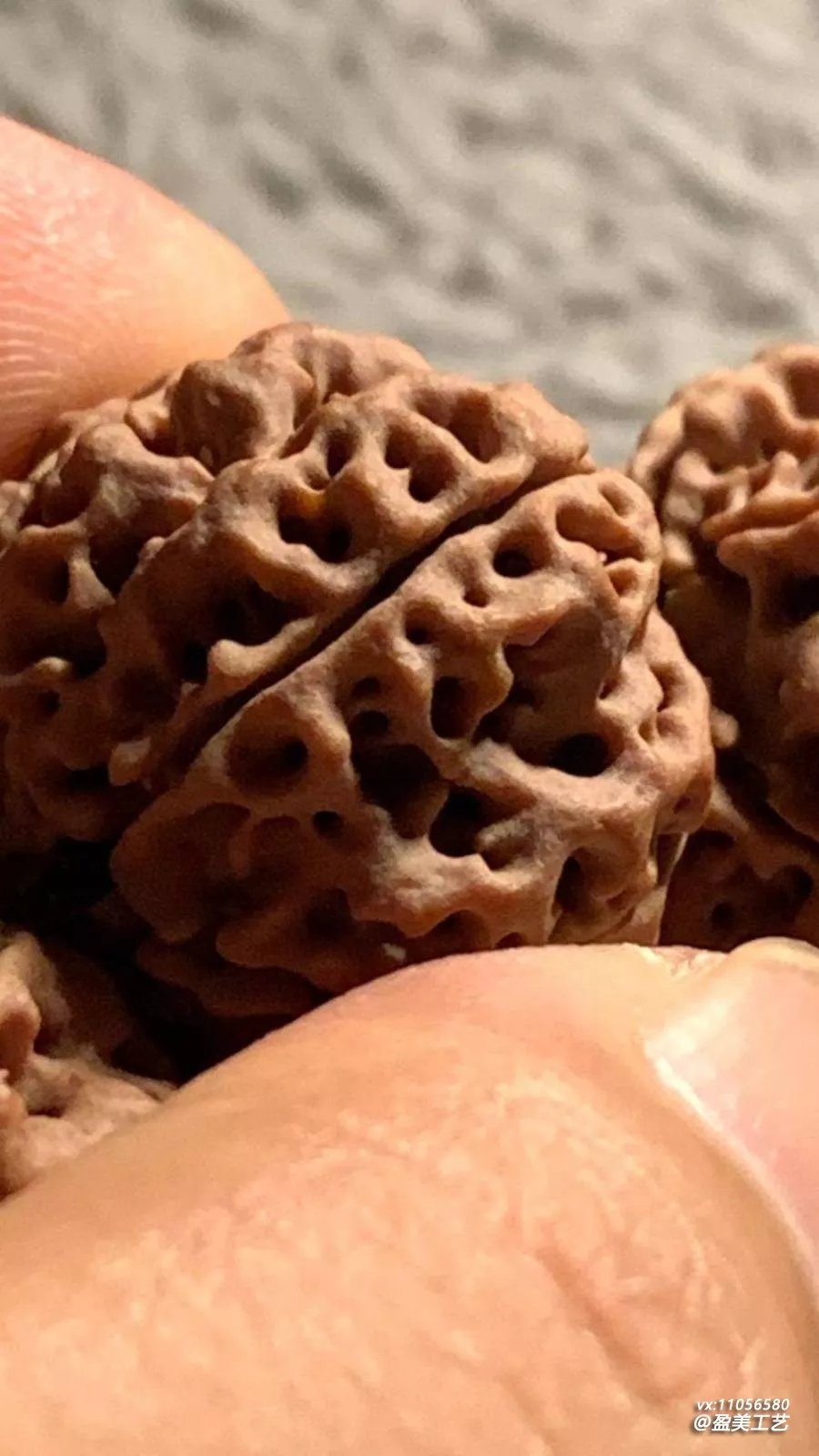
The third mistake was only handling without brushing. When I first started, brushing felt like too much hassle—handling was so convenient, just rub them in your hand. So every day I only handled and never brushed. After a month, the bead surfaces were shiny, but deep in the grain / texture everything was filthy and black. It looked awful, and the color difference between the dragon-ridge (ridge line) and the grooves became very pronounced.
For Rudraksha breaking-in (patina process), brushing is just as important as handling—in fact, brushing is even more important. Brushing serves three purposes: first, cleaning—brushing dirt out from deep in the grain / texture; second, even coloring—bringing the colors of the dragon-ridge (ridge line) and grooves closer together; third, polishing—making the bead surface shinier and smoother.
The right approach is, in the early stage, focus on brushing with handling as a supplement: brush twenty minutes a day, handle ten minutes. In the middle stage, split it evenly: brush ten minutes, handle ten minutes daily. In the later stage you can handle more and brush less, but still brush regularly—at least once a week—to clean dirt from deep in the grain / texture. A mala that's only handled and never brushed ends up as a "dirty mala"—no matter how expensive the beads, it's wasted.
4. Oiling too frequently
The fourth mistake was oiling too frequently. When I first started, I heard people say oiling makes Rudraksha develop patina faster, so I bought olive oil and rubbed a bit on the mala every few days. The result: too much oil made the bead surfaces greasy, the color darkened, and that translucent quality was gone. Worse, oil accumulated deep in the grain / texture and turned black over time—no amount of brushing could remove it.
Rudraksha breaking-in (patina process) actually doesn't need oil. The natural oils on your hands are already enough—normal handling will develop patina on the beads. Extra oil backfires: too much oil clogs the beads' pores, affects their "breathing," and leads to a stuffy, non-translucent patina. Oil also attracts dust and makes the beads dirty.
If you live in a particularly dry region, or during especially dry winters, you can apply a tiny amount of oil—but it must be minimal: one drop is enough. Rub it between your hands until evenly spread, then handle the mala, and at most once a month. Normally no oil is needed at all—just handle them normally.
5. Chasing premium beads on a whim
The fifth mistake was chasing premium beads on a whim. When I first started, one day I'd hear someone say honeycomb beads were great, so I'd buy honeycomb; the next day I'd hear double dragon-ridge (ridge line) was great, so I'd buy that; the day after, I'd hear plum-blossom pattern was great, so I'd buy that. I bought over a dozen malas in total, switching after just a few days each, and in the end not a single one was finished. I spent a lot of money and had no decent mala to show for it.
With collectible beads, there's no absolute "best"—what you like is what's good. Honeycomb has its merits, double dragon-ridge (ridge line) has its merits, plum-blossom pattern has its merits—each has its own character, and there's no need to chase trends. Besides, no matter how good the beads, without diligent breaking-in (patina process) you won't get good results; even ordinary beads, if you break them in carefully for two or three years, will develop a beautiful patina too.
The right approach is to pick a mala you like at a price you can accept, then break it in seriously and persistently. Give it two or three years and you'll definitely get great results. Don't always think the grass is greener on the other side—your own mala, once broken in, won't be inferior to anyone's.
A few parting words
I made all five of these mistakes back in the day, and each one cost me dearly. Now I'm sharing these lessons in the hope that beginners can avoid the detours and the wasted money.
Honestly, breaking in Rudraksha is simple and hard at the same time. Simple, because with the right method and patience, anyone can produce a beautiful mala. Hard, because many people are impatient—they want quick color and quick patina, and end up taking detours instead. With collectible beads, it's all about the process—there's no rushing it.
I hope everyone can break in a mala they're proud of and enjoy the process.