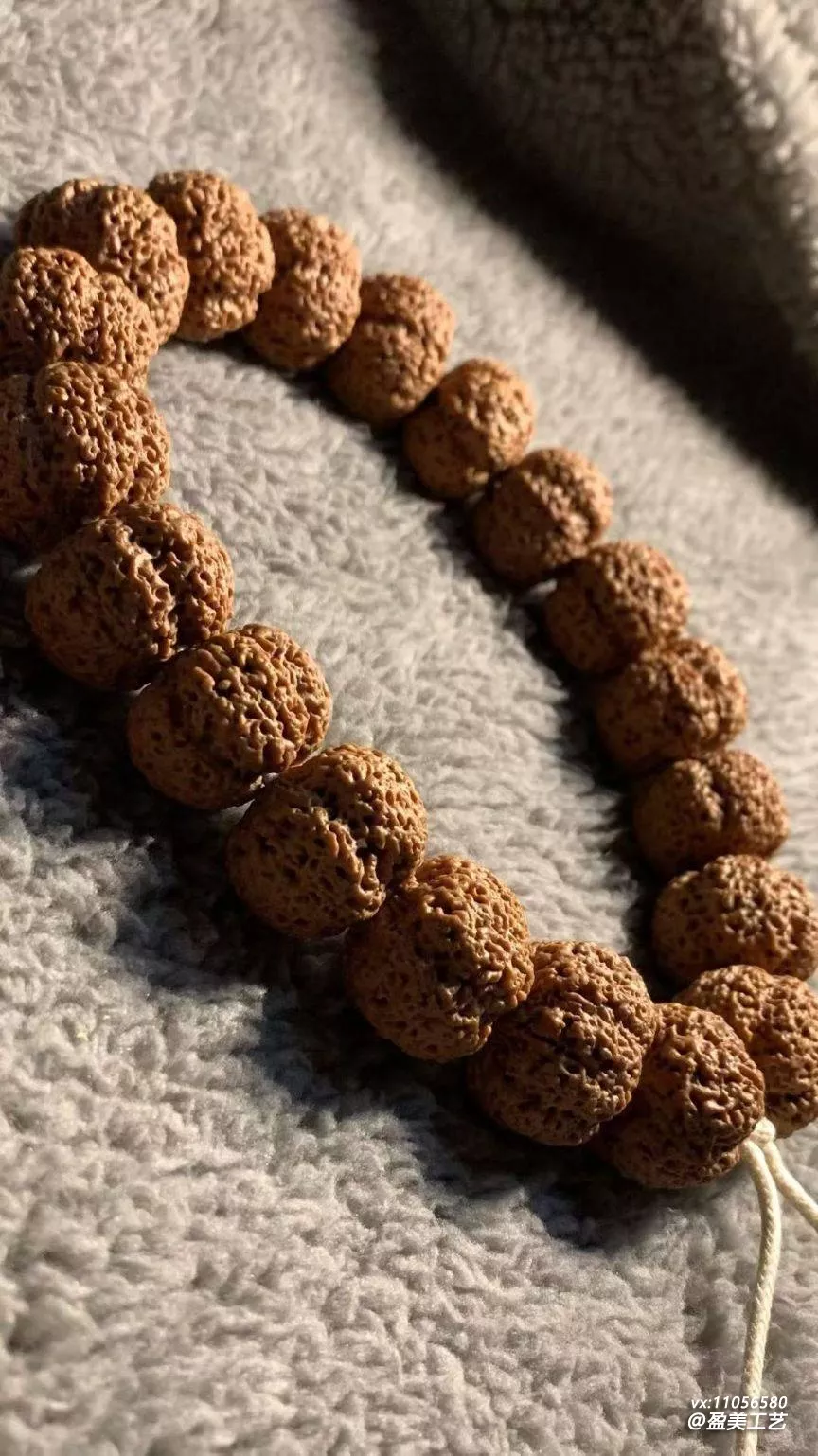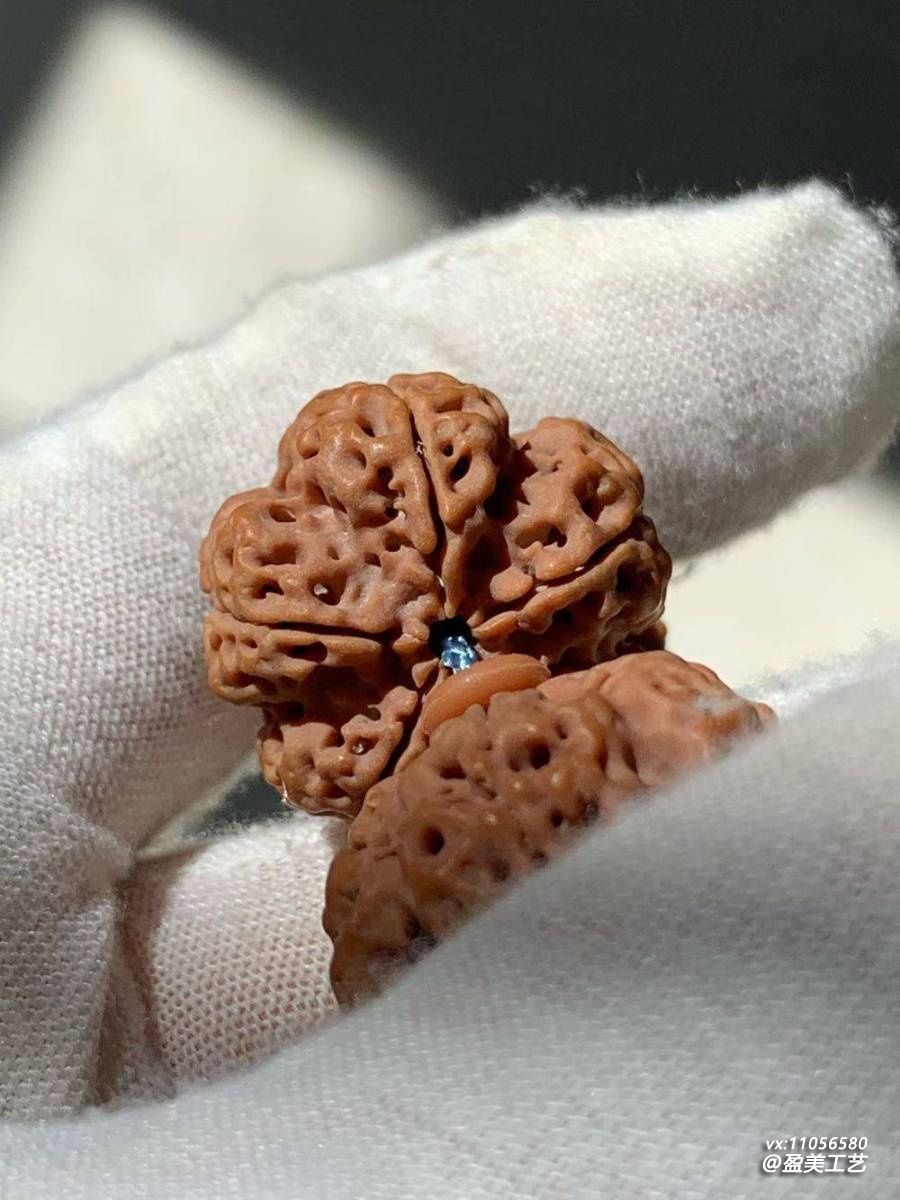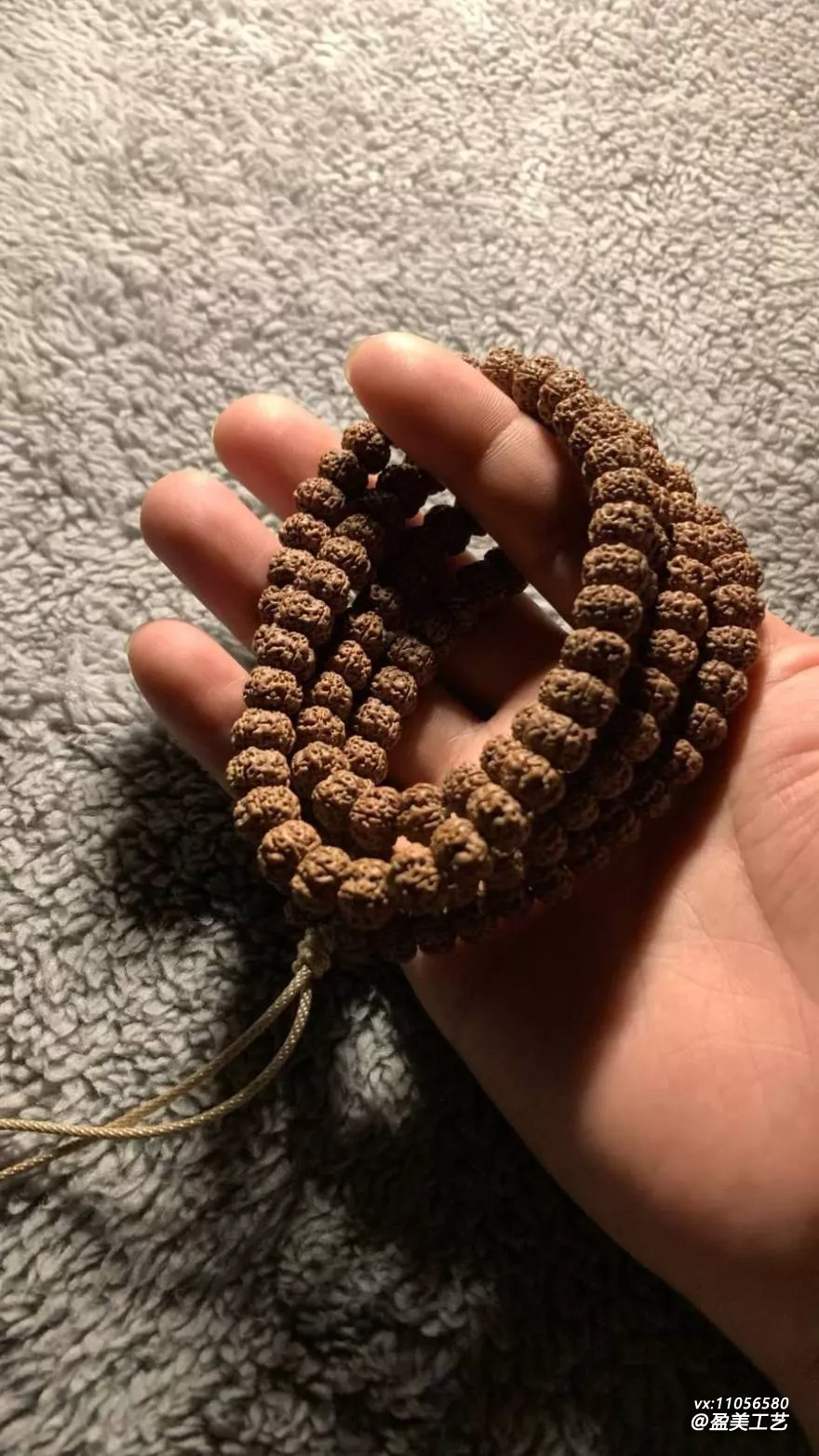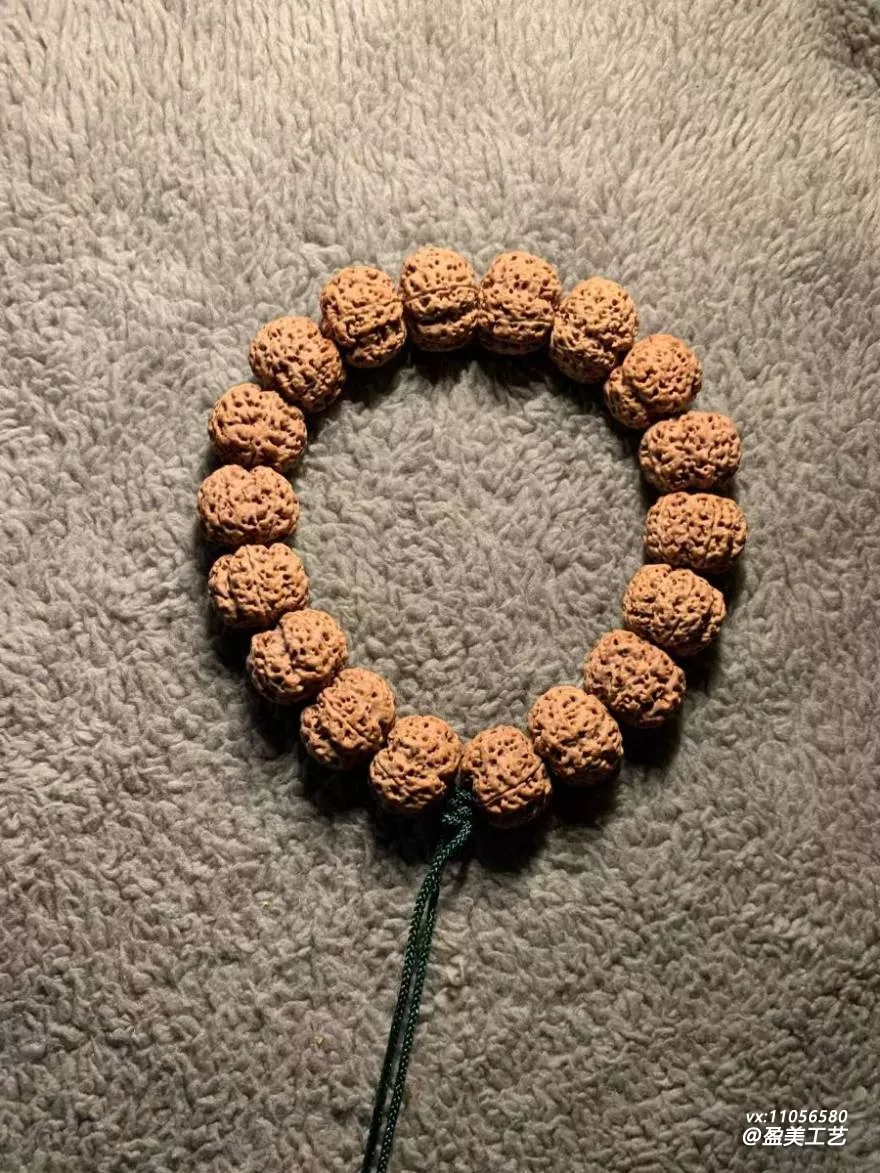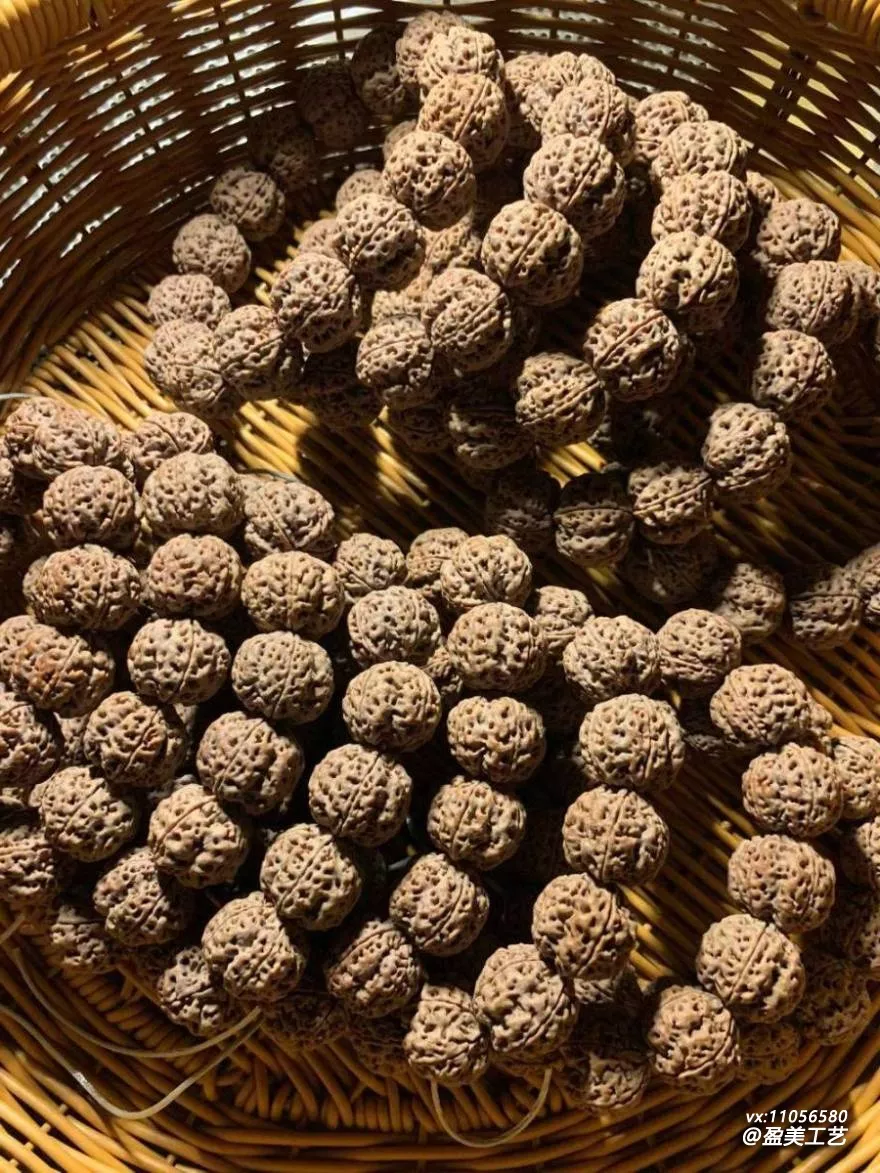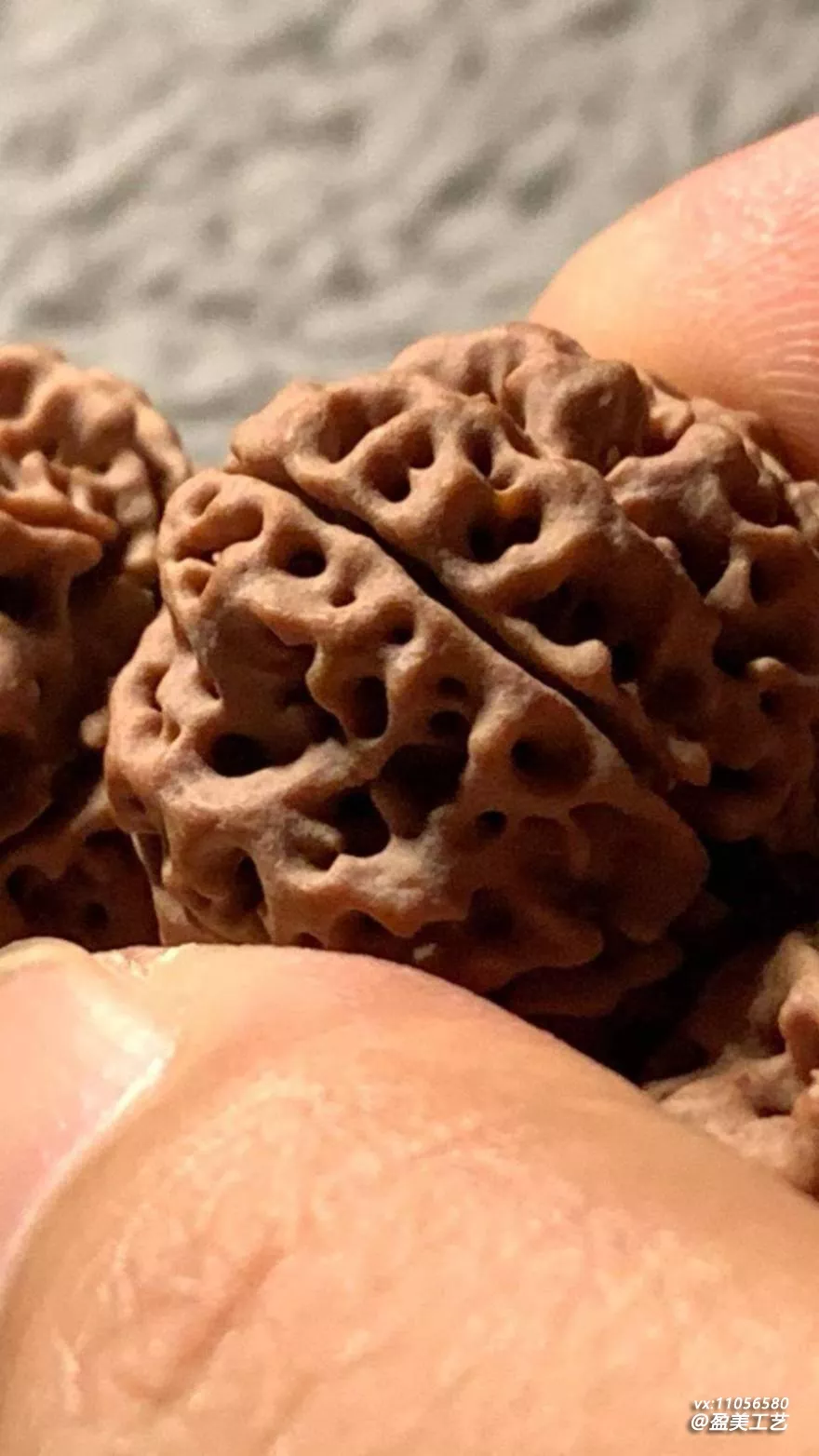
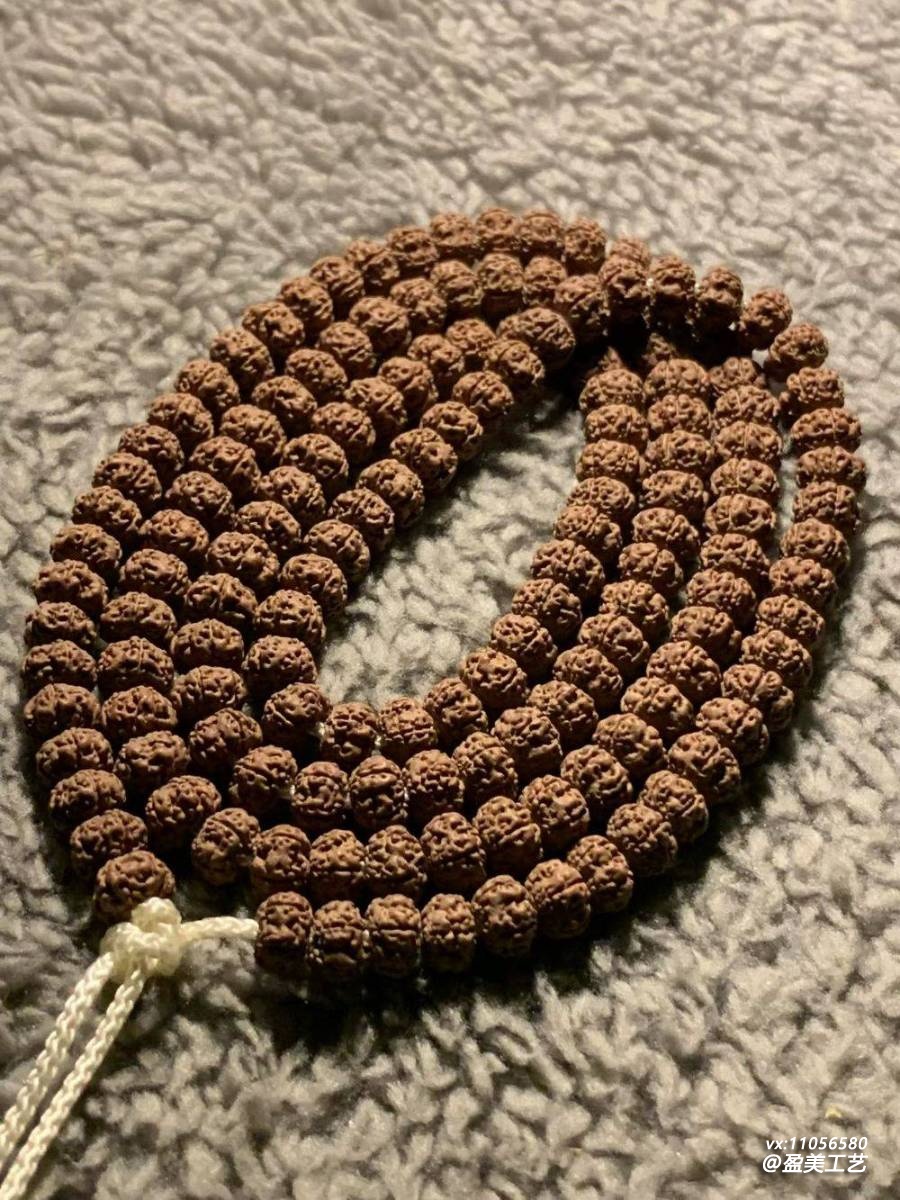
Most friends who play with Rudraksha have probably run into the problem of color difference. As you keep breaking-in (patina process), you notice some beads are darker and some are lighter, and the whole strand looks patchy — then you start to worry: is there something wrong with the beads? Did I do something wrong? Actually, color difference is completely normal. Every natural bead has slight differences in density and skin, so they can't possibly darken at exactly the same rate. Today I'll share a few color-chasing methods I use myself — tested and effective.
1. First, figure out the cause of the color difference
Don't panic when you see color difference — first figure out what's causing it. There are three most common causes: first, the beads have different densities; high-density beads darken slowly, low-density beads darken quickly — this is the most normal situation. Second, uneven pressure during breaking-in (patina process) — some beads get handled often, others get neglected, and over time the colors drift apart. Third, the beads themselves have shadow patches or mottled skin — this isn't simple color difference, it's a quality issue with the beads.
How do you tell which situation it is? Simple — take out the lighter beads and look closely. If the skin color is normal with no dark or mottled spots, then it's a density or uneven breaking-in (patina process) issue, and it can be corrected. If the lighter beads have a grayish surface or traces of shadow patches, then it's a bead problem, and color-chasing will have limited effect — in that case, it's best to just replace them.
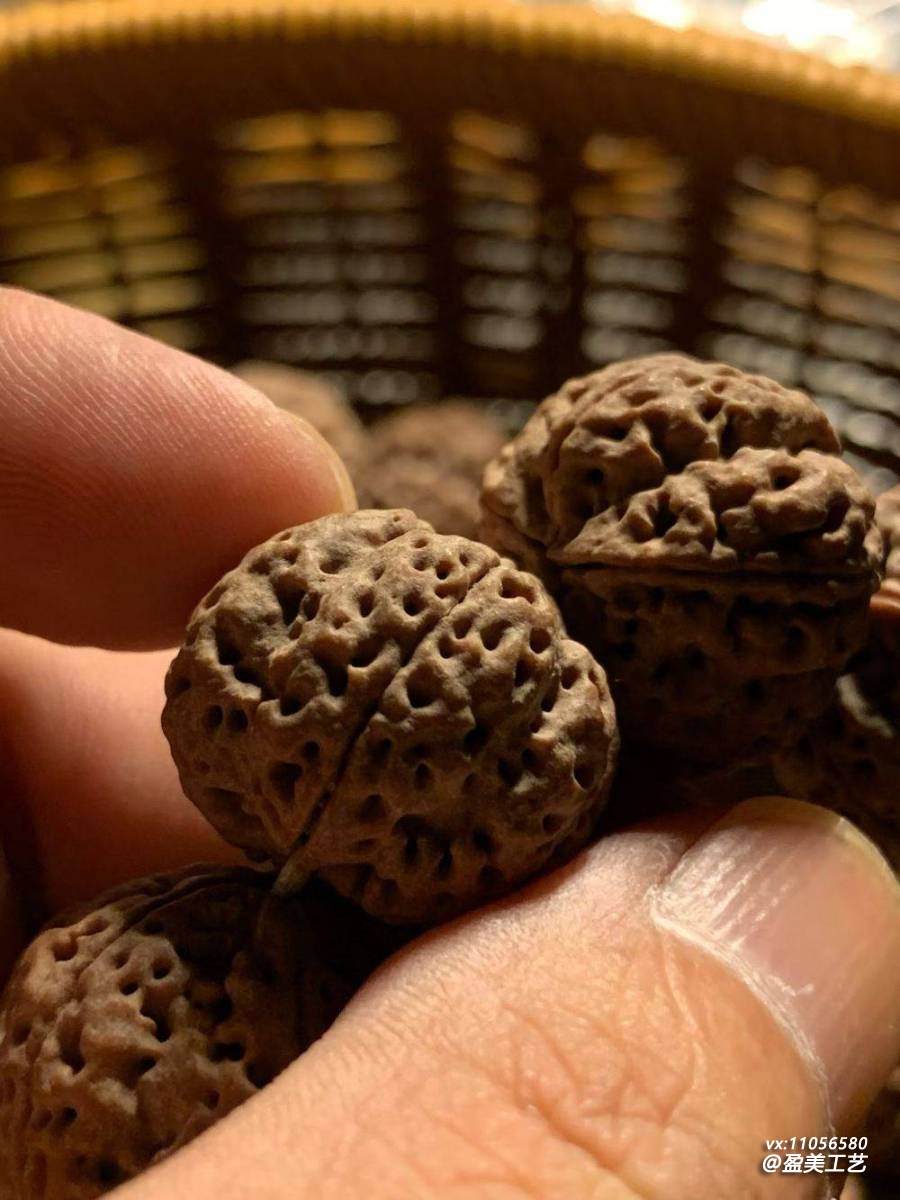
2. Method one: more handling, less brushing — focus on the lighter beads
This is the most commonly used and most effective method. Once color difference appears, set the darker beads aside for now and focus on breaking-in (patina process) the lighter ones. Each day, take the few lighter beads in your hand and handle them a bit longer, letting them absorb more of the oil and sweat from your hands. Handle the darker beads less, or even skip them entirely, so the lighter beads can gradually catch up.
There's a detail to watch here: when handling the lighter beads, be even — don't just work one side. Rotate them so every side gets handled, otherwise you'll end up with one side dark and one side light. And after handling, it's best to give them a brush to spread the sweat evenly, avoiding localized sweat buildup that causes mottled skin.
The brushing frequency should also be adjusted. During the color-difference stage, lighter beads can be handled more and brushed less; darker beads should be brushed more and handled less. Because brushing accelerates oxidation and darkens the color, brushing the darker beads more will make them darker and darker, actually widening the gap. So flip it — brush the darker ones less, handle the lighter ones more, and the gap will gradually narrow.
3. Method two: rearrange — put the lighter beads in the middle
This method is simple but practical. When the mala (prayer beads) is worn on the wrist, the middle beads touch the palm the most and darken fastest; the beads on the sides touch the back of the hand and darken slowly. So after color difference appears, you can rearrange the lighter beads to the middle position and the darker beads to the sides, so the lighter beads get more contact with palm sweat and darken faster.
When rearranging, also be careful not to put two dark beads next to each other — alternate light and dark as much as possible so it's less visually obvious. And change positions regularly — for example, rearrange once a week — so every bead gets a chance at the middle position, and the overall color will be more even.
This method works even better combined with the first one. During the day, put the lighter beads in the middle when wearing; at night, focus on handling the lighter beads — a two-pronged approach that speeds up color-chasing considerably. Generally, after one to two months of persistence, the color difference will noticeably shrink.
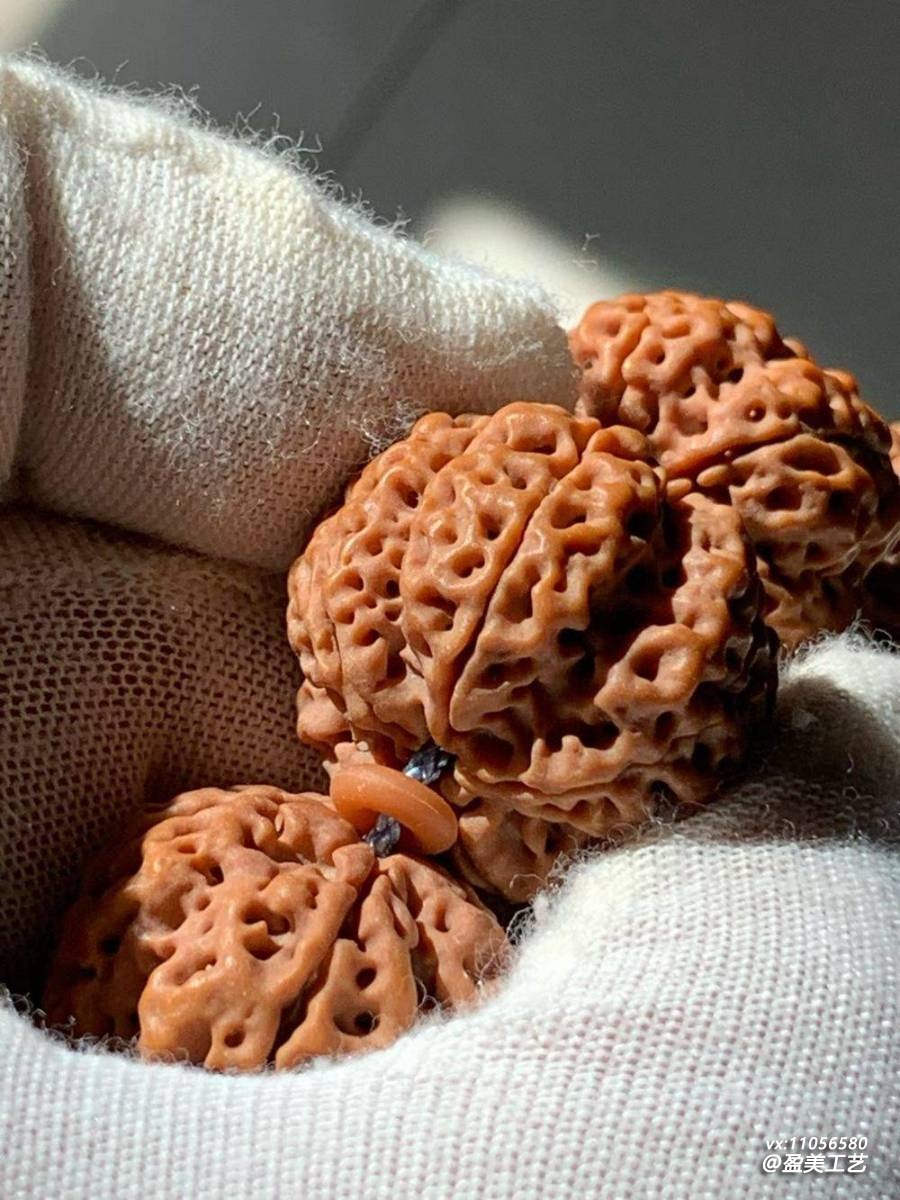
4. Method three: patience — give it time
Some people might not believe it, but the most effective color-chasing method is actually time. Many people get anxious when they see color difference, looking at it every day, getting more anxious the more they look, and even wanting to give up. But as long as the beads are fine, given enough time, the color difference will eventually even out — it's just a matter of how fast.
I have a Rudraksha mala (prayer beads) that had quite an obvious color difference when I first started breaking-in (patina process) — two beads were clearly lighter than the rest. I was anxious at the time too, tried all kinds of methods, and the effect was there but not obvious. Later I just stopped worrying about it, handled and wore it normally, and after about half a year, when I took it out to look, the color difference was almost gone — the whole strand was very even in color. That's when I understood: some things can't be rushed; when the time comes, it'll be fine on its own.
So when you encounter color difference, keep a good mindset. First determine whether it's a bead problem. If not, use the methods above, break it in patiently, and give it time. Rudraksha is like that — if you're patient with it, it won't let you down. Once the patina is thick and the color is deep in the later stages, that bit of color difference won't be visible at all.
Summary
Color difference is one of the most common problems in the Rudraksha breaking-in (patina process) process — almost every strand encounters it, so don't worry too much. As long as the beads are fine and you use the right methods, plus give it some time, you'll eventually achieve an evenly colored patina.
Playing with cultural-play items is all about mindset — being too anxious actually causes problems more easily. Break it in slowly, play slowly, enjoy the process, and the strand will naturally reward you. After all, time is the best cultural-play tool.