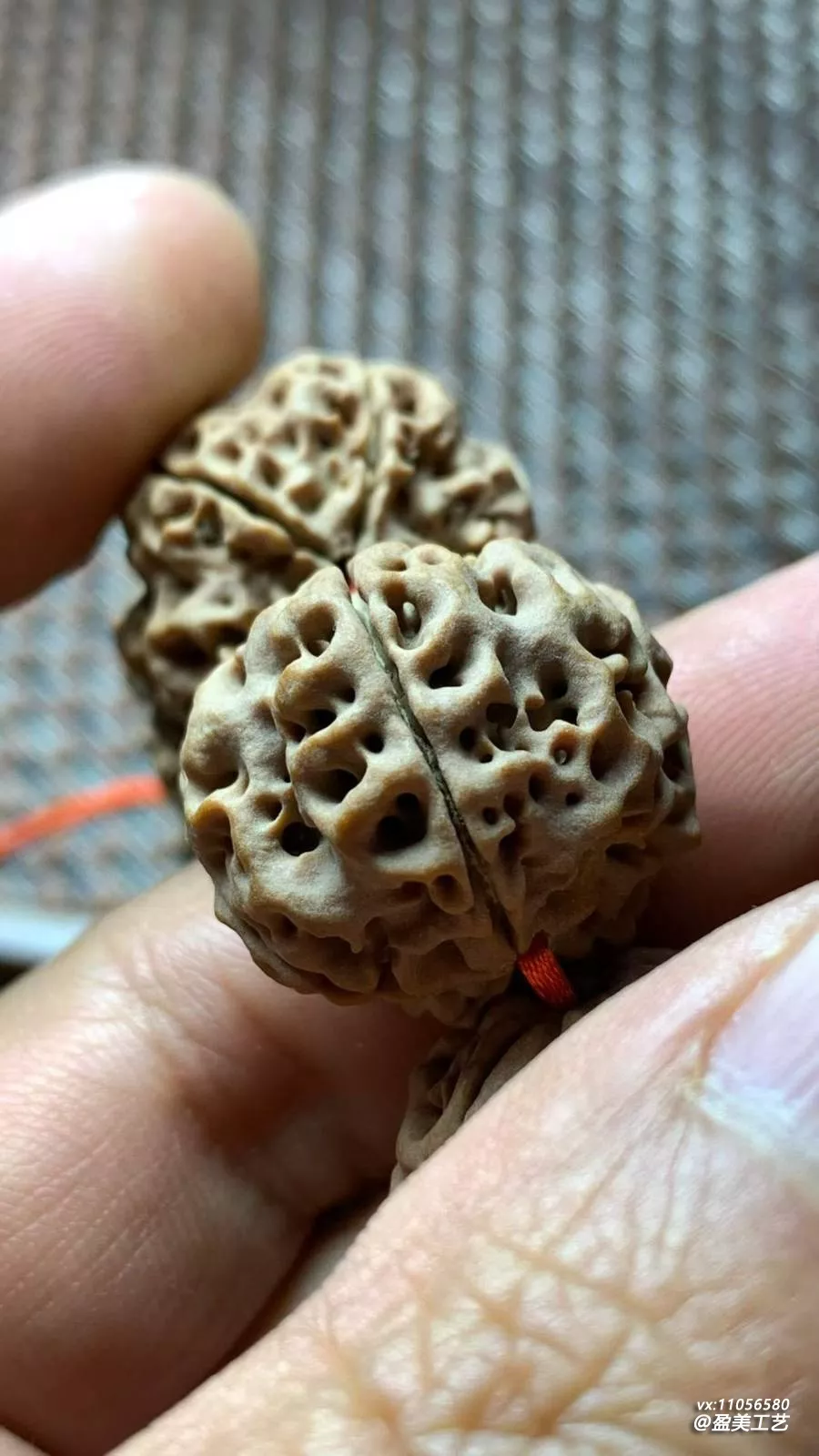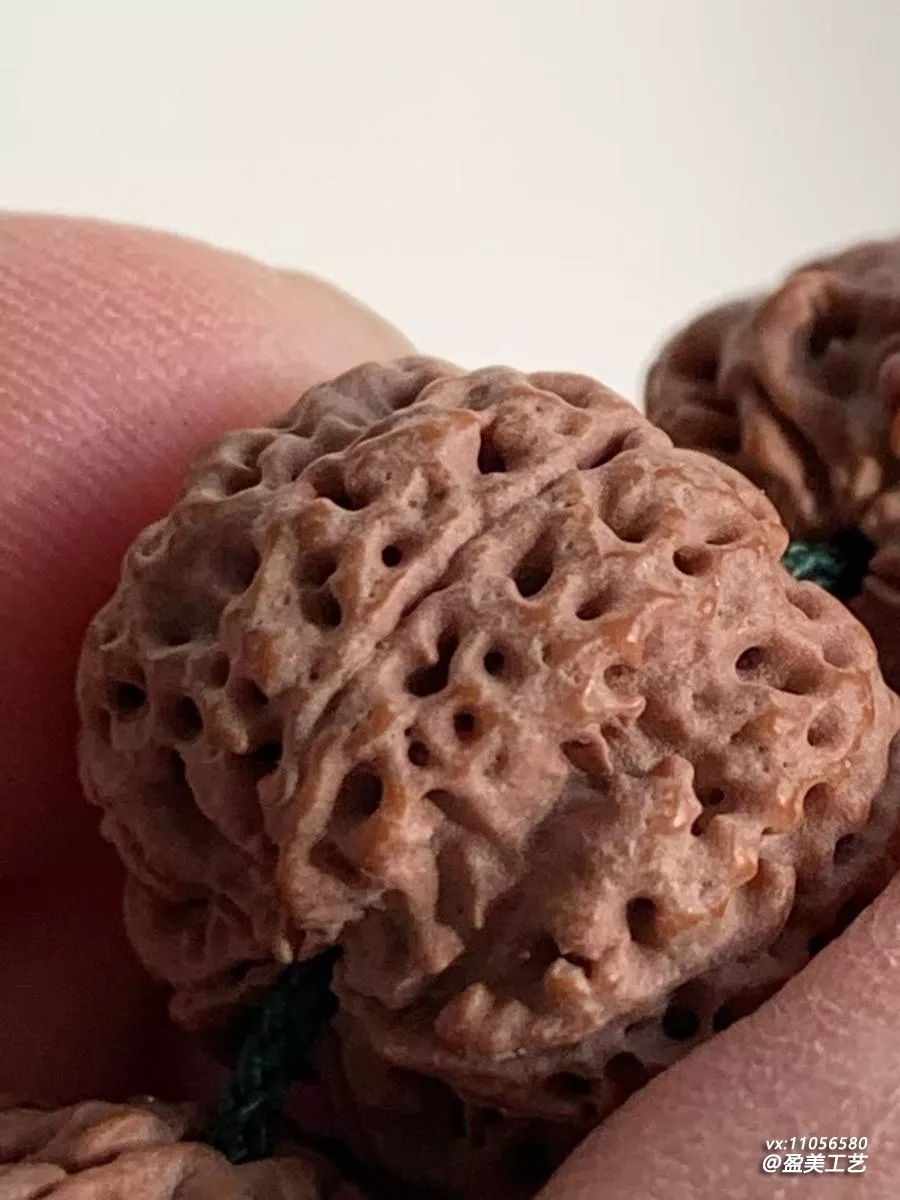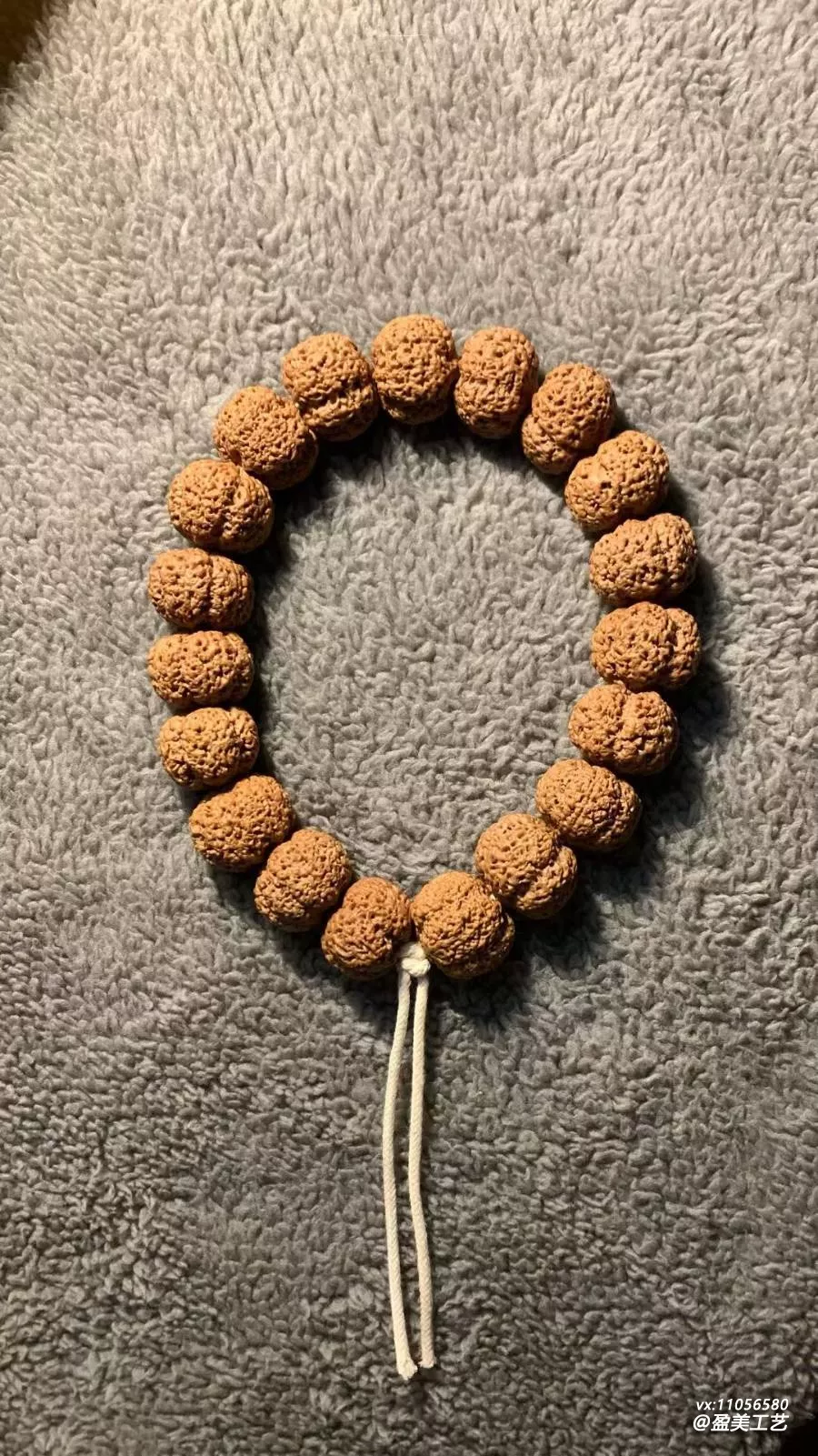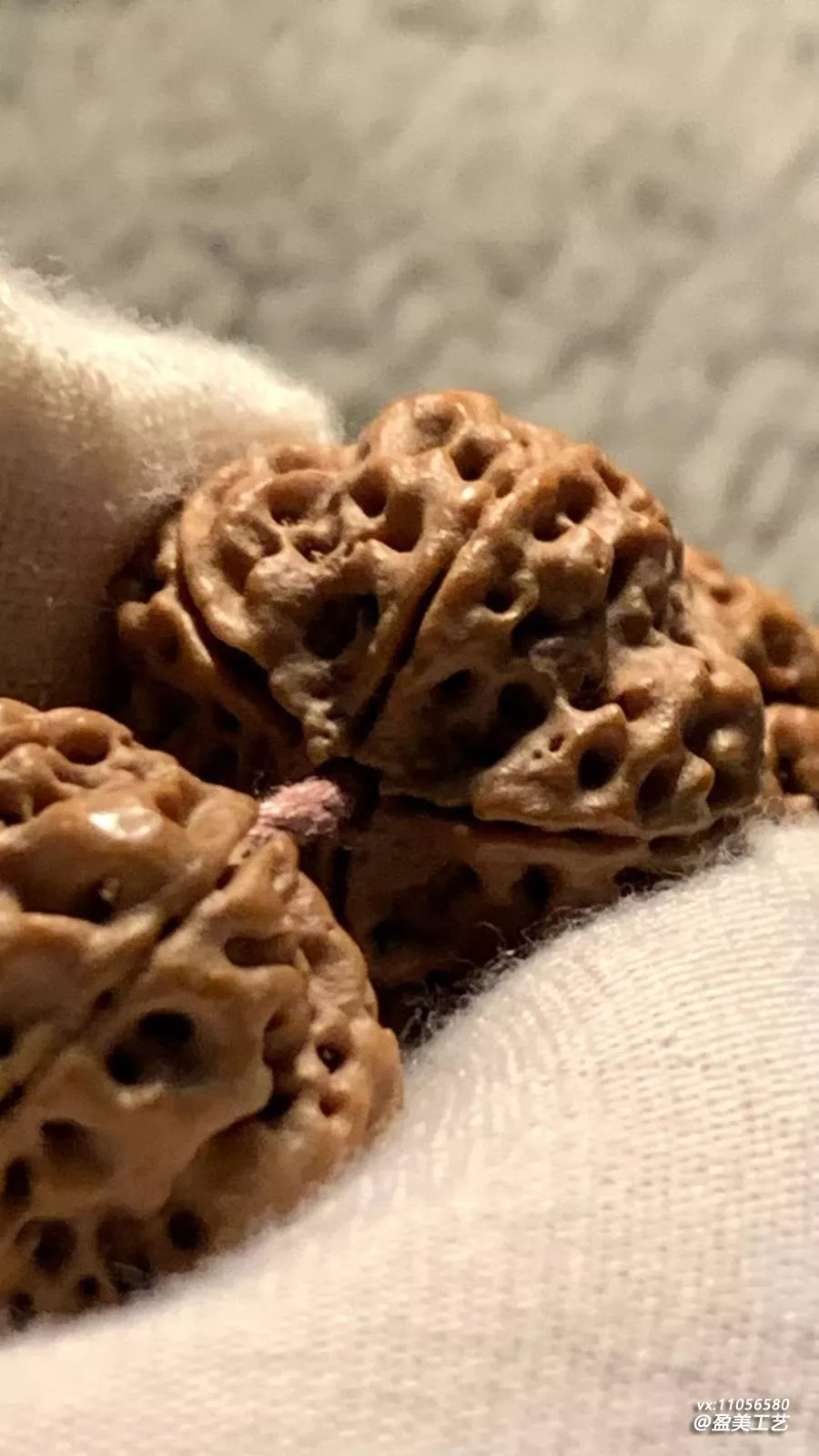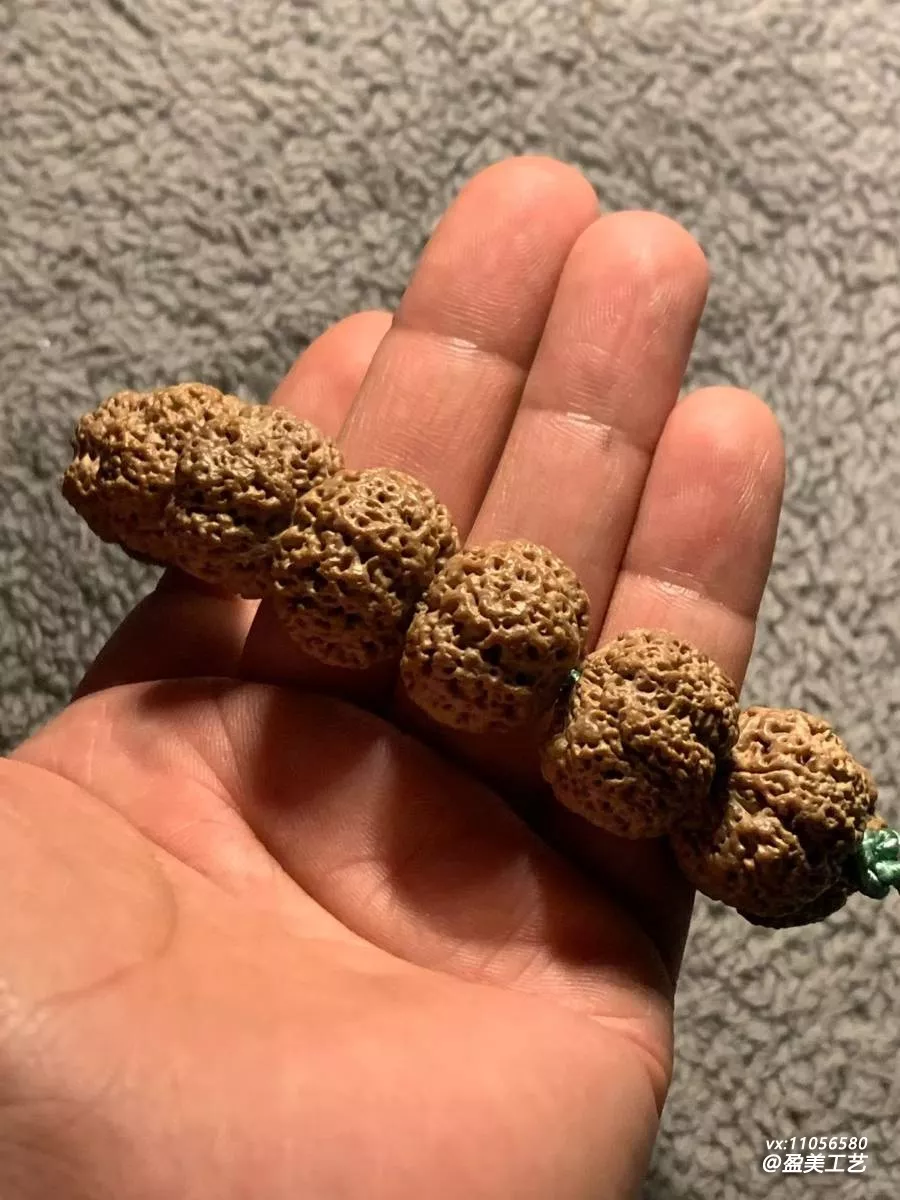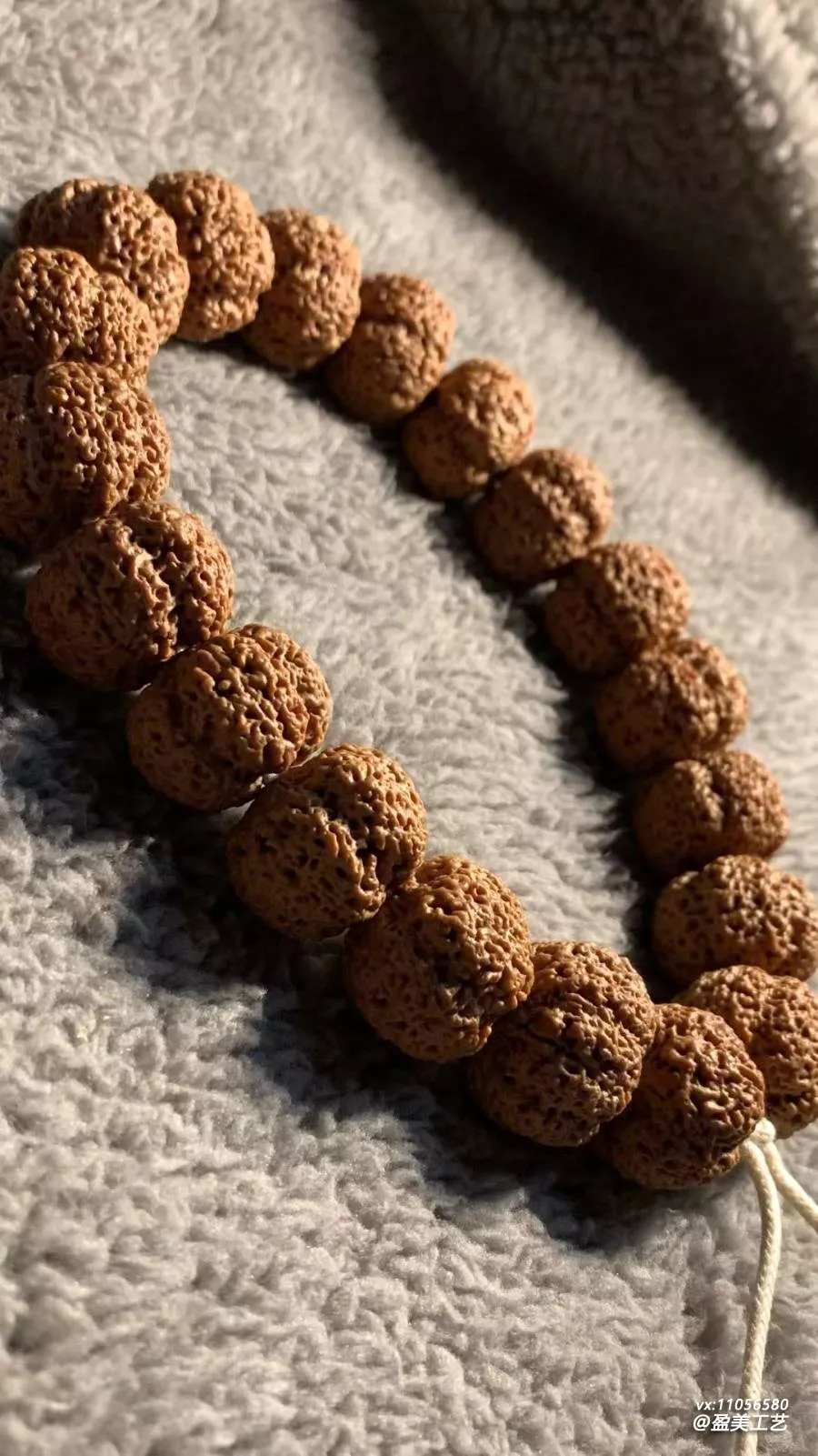
Is deeper grain always better? A common misconception about Rudraksha (large) grain. When choosing Rudraksha (large), many people think the deeper the grain, the better—more three-dimensional and more valuable. Is deep grain really better? There's a misunderstanding here; let's clear it up so you don't get led astray by grain depth.
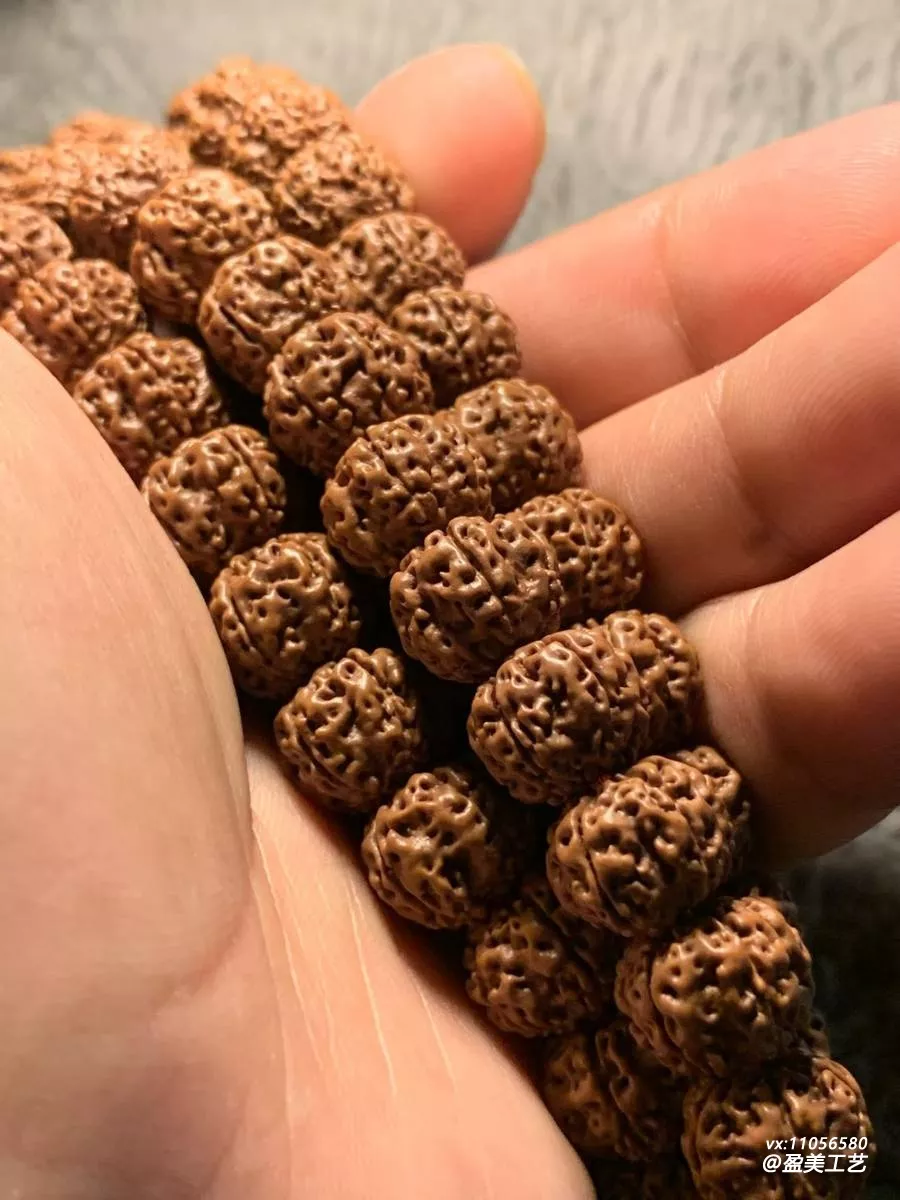
Features of Deep Grain
Features of deep grain: Seeds with deep grain have strong three-dimensionality, look imposing, and have distinct texture during breaking-in (patina process). However, deep grain means deep crevices—more effort is needed for initial cleaning, and alkaline bloom in the crevices is hard to brush away; seeds with deep grain are also prone to chipping or flaking.
Features of Shallow Grain
Features of shallow grain: Seeds with shallow grain have a relatively flat surface, making initial cleaning easier and breaking-in smoother. However, they have weaker three-dimensionality, look less imposing, and have a plainer visual effect. Both deep and shallow grain have their pros and cons; deeper is not necessarily better.
How to Evaluate Grain
How to evaluate grain: Don't fixate on grain depth—prioritize peel quality and density, as good peel is fundamental; check grain regularity, as regular grain looks better than just deep grain; look at overall harmony, as grain and shape coordination is what matters. Is deeper grain always better? This is a misconception—both deep and shallow grain have pros and cons; peel quality, density, and regularity are what count.
Learn to evaluate grain correctly, and you'll have a clear direction when buying a mala (prayer beads). Don't get led astray by grain depth—peel quality and regularity are the foundation of a good mala; accurate evaluation leads to smart purchases.