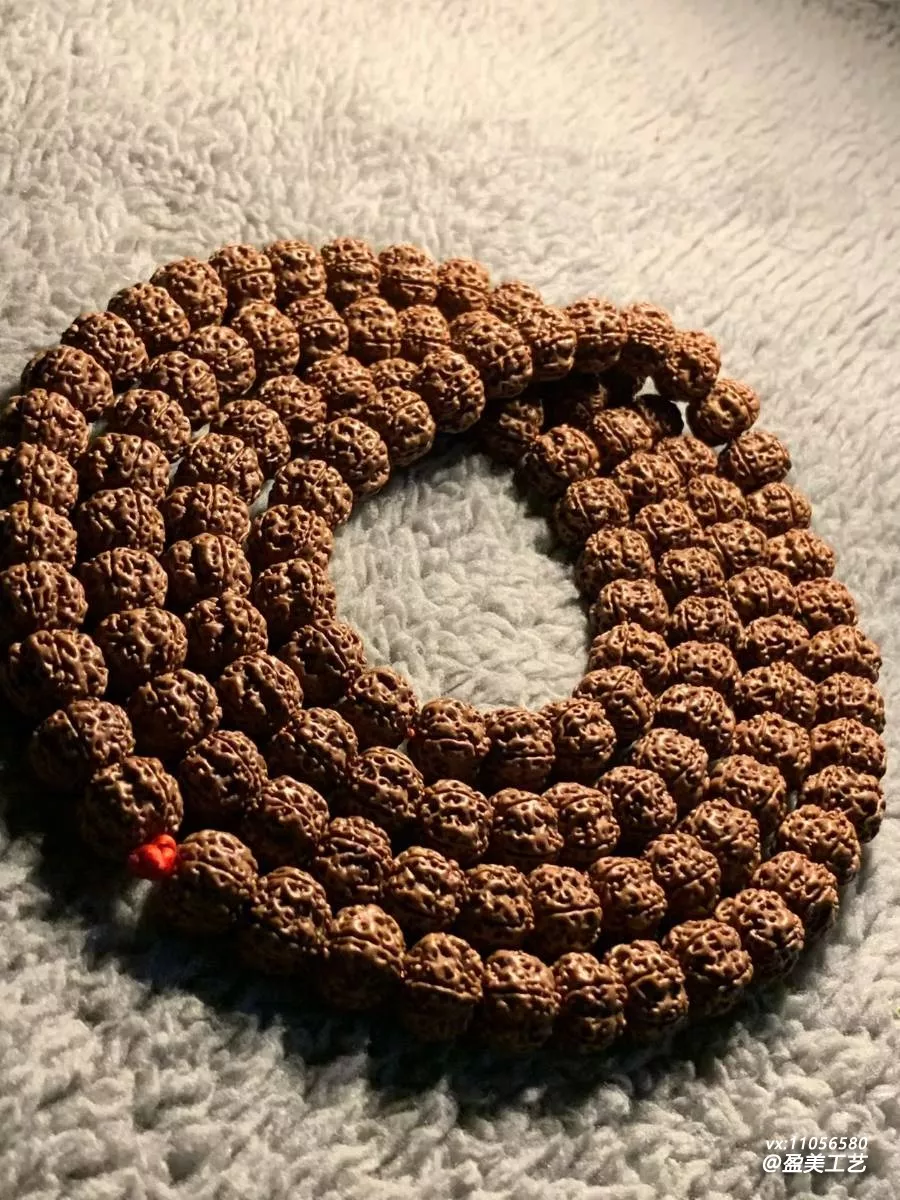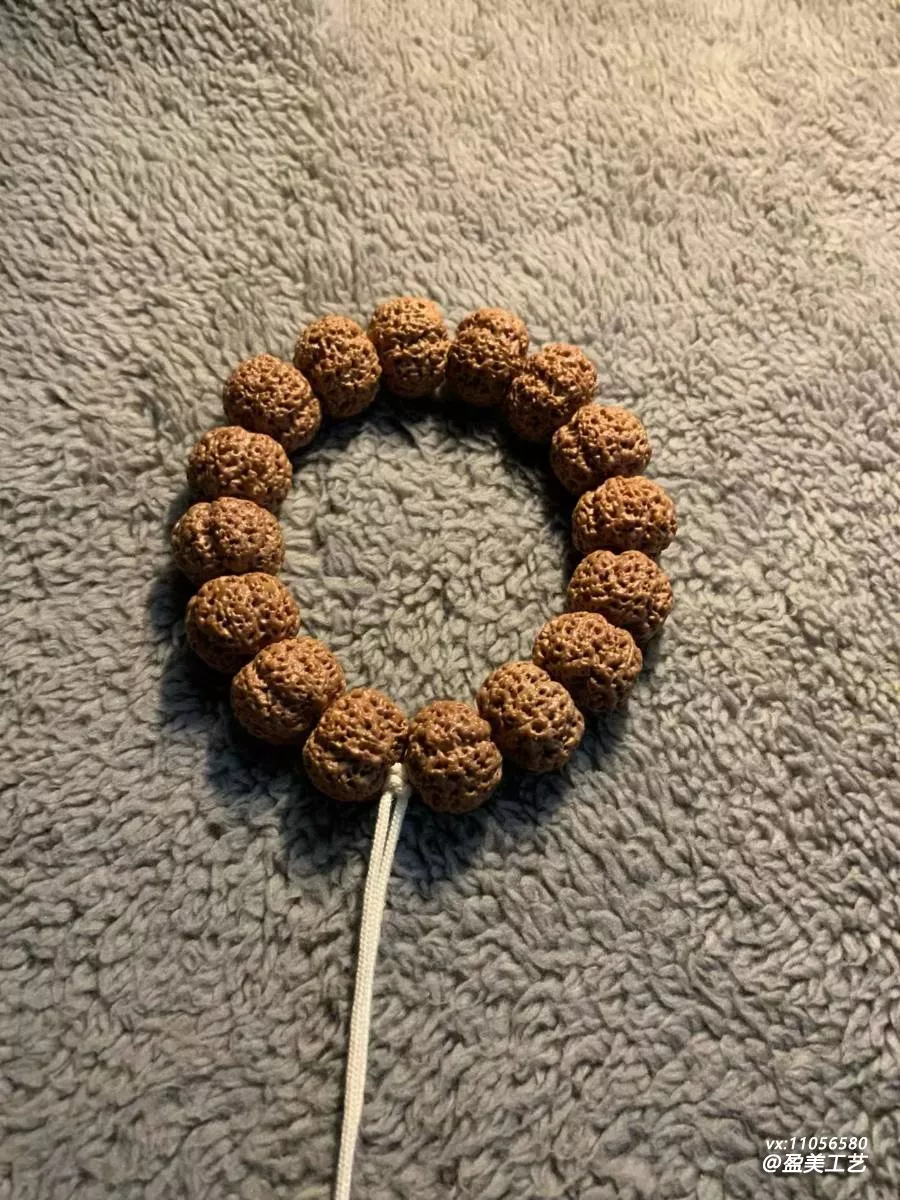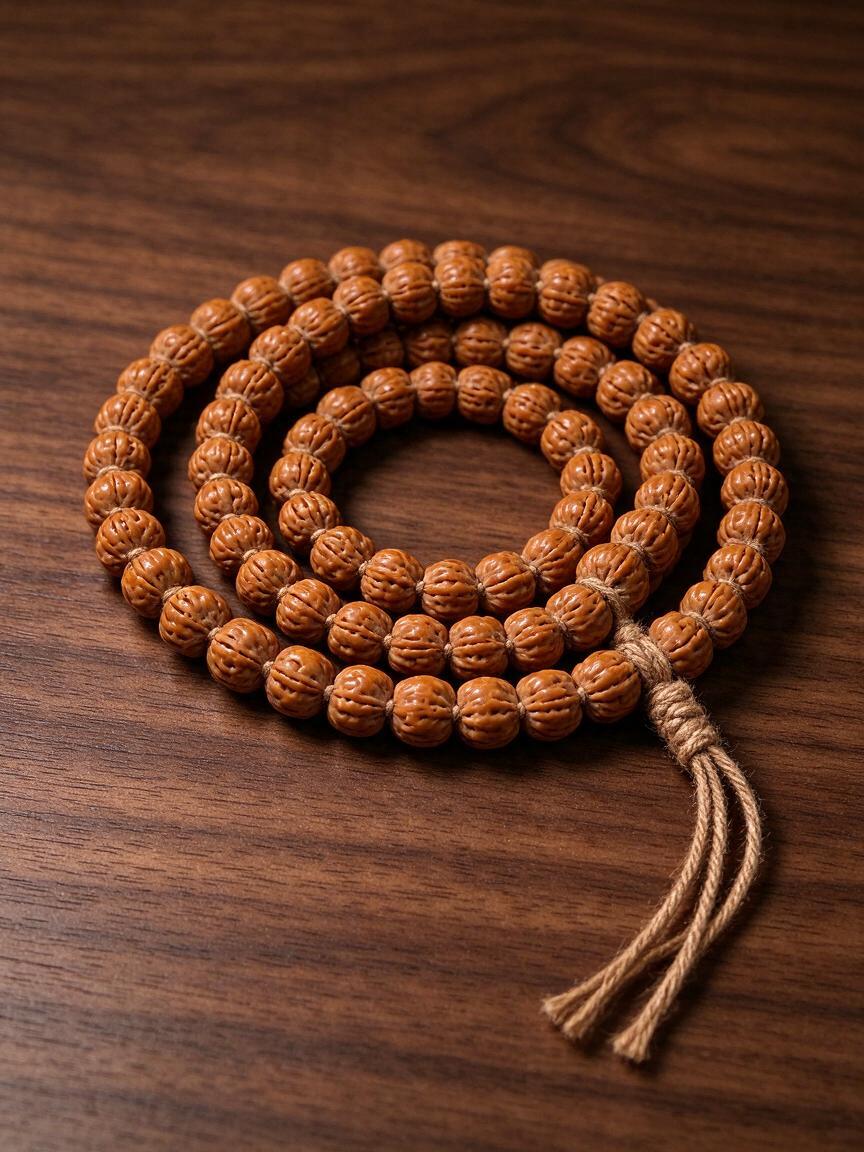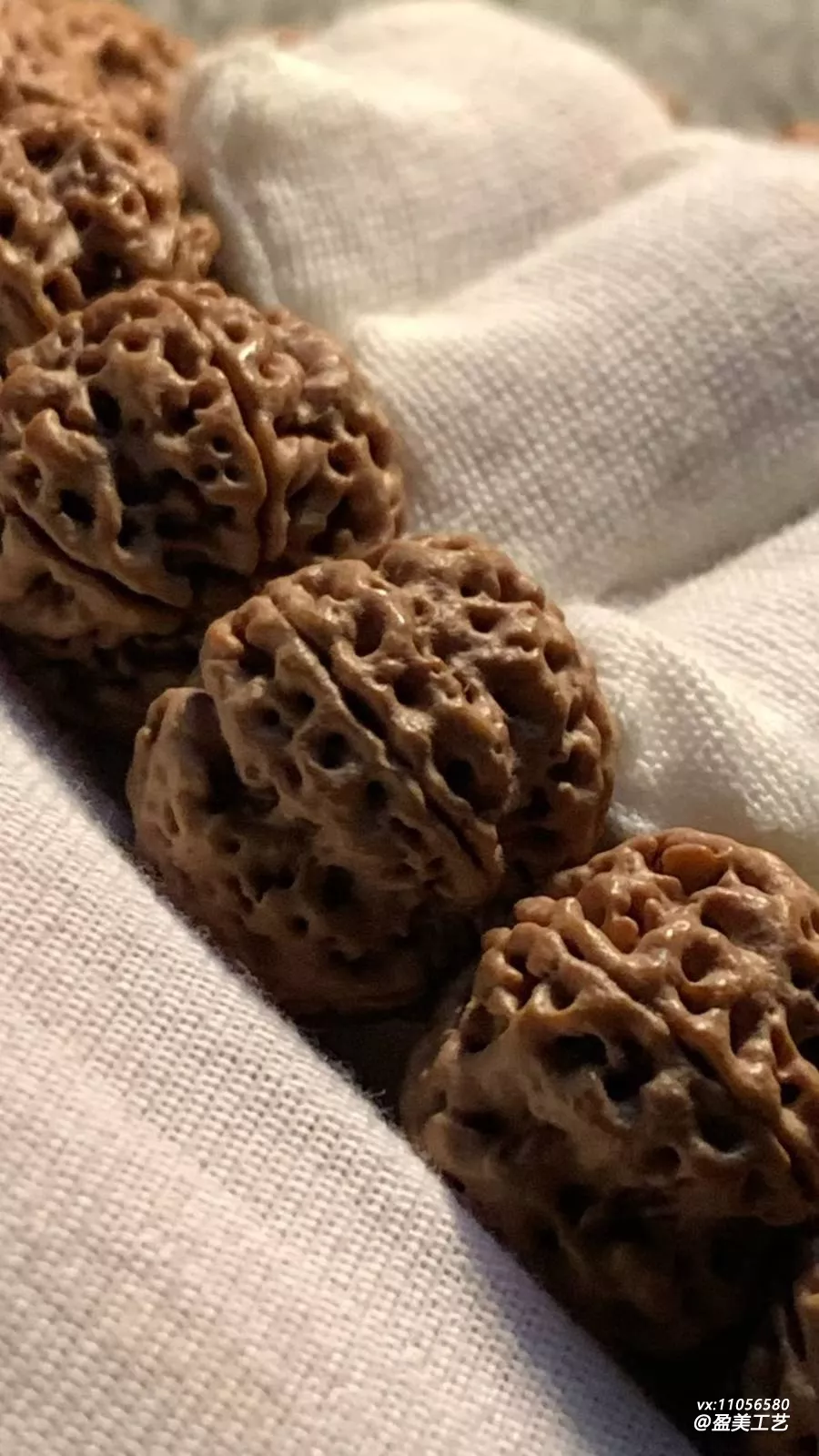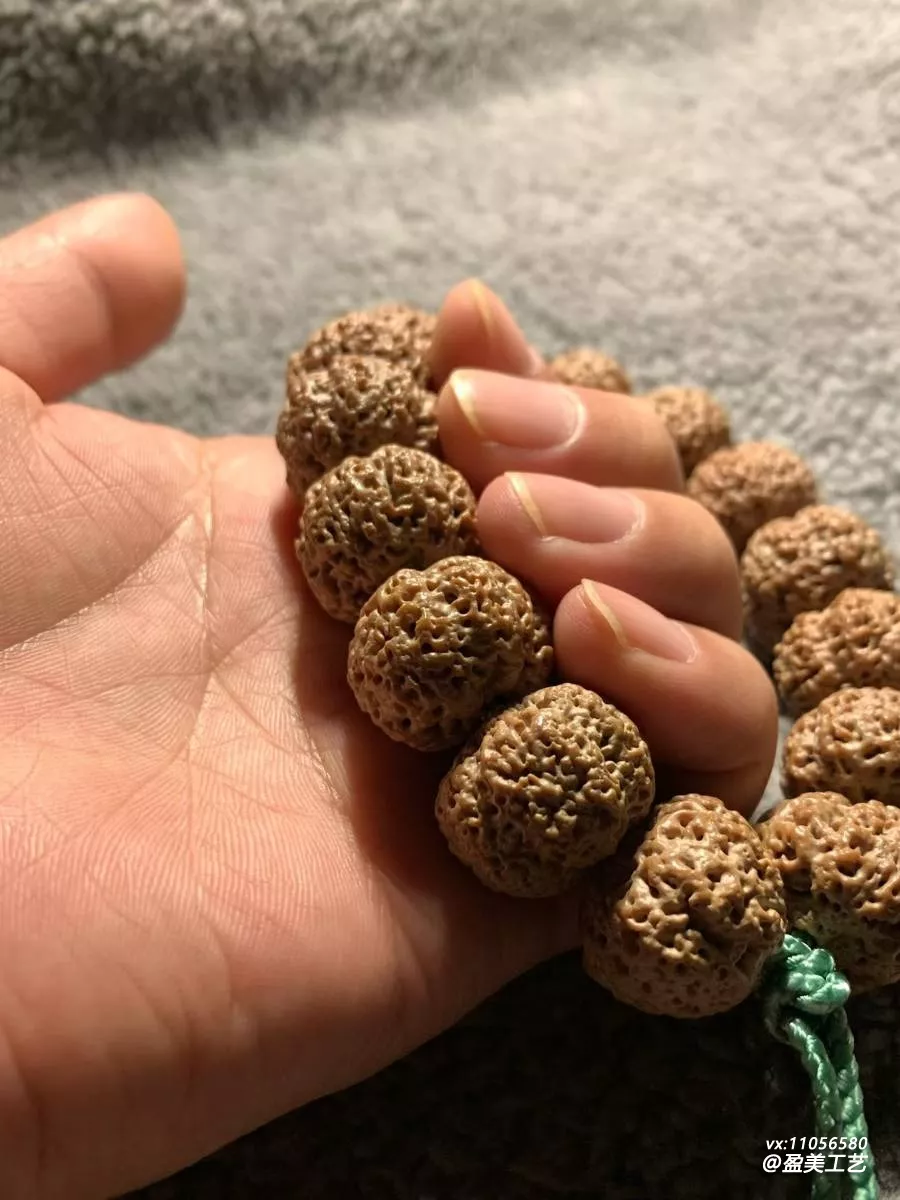
What's the difference between a single-row Rudraksha (large) from the old tree king that costs 300 yuan and one that costs over 1,000 yuan? Both are called single-row Rudraksha (large) from the old tree king, but the price difference is several times. What's the difference? Explain clearly where the 300-yuan and over 1,000-yuan single-row Rudraksha (large) from the old tree king differ, and where the money goes.
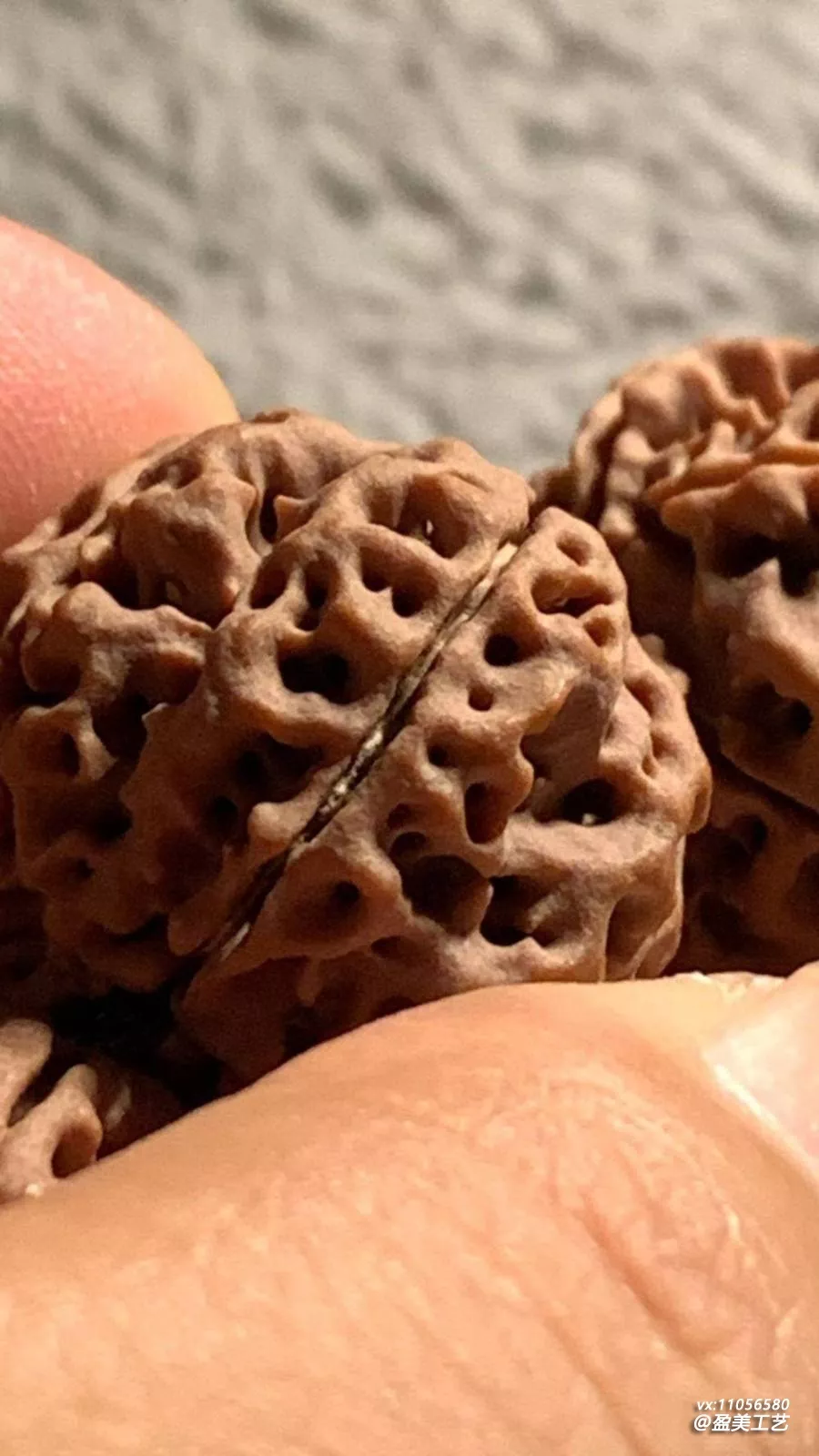
Poor quality of the seeds
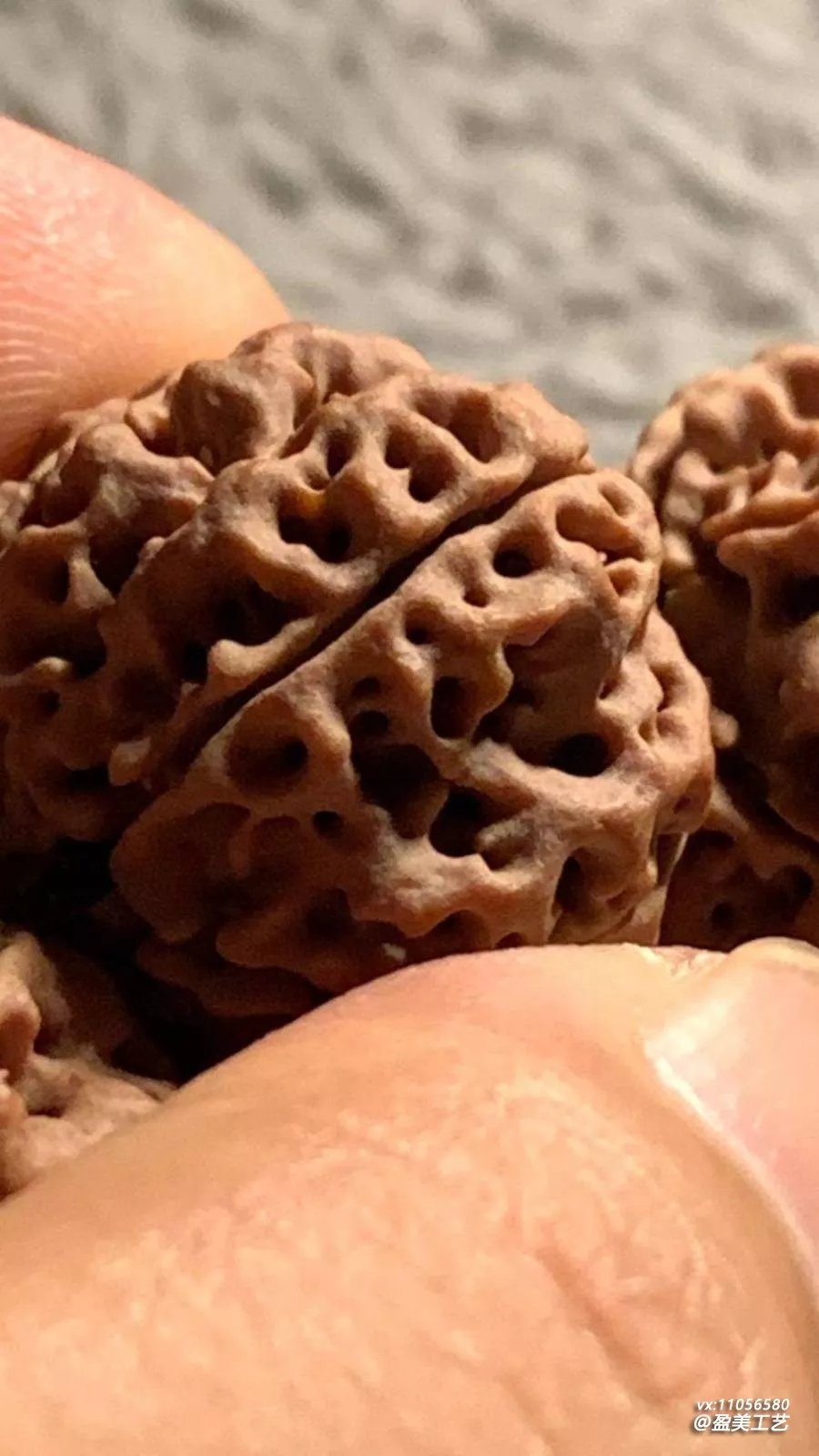
Poor quality of the seeds: The expensive seeds have high cortex density and feel heavy in hand; the expensive seeds have deep grain, good fleshiness, and proper shape; the cheap seeds have average cortex, shallow grain, and poor quality. Quality is the primary difference in price.
Poor base of skin color
Poor base of skin color: The expensive seeds have natural skin color and sufficient oiliness, and will become translucent after breaking-in; the cheap seeds have dull skin color and poor oiliness, and the effect after breaking-in is discounted; the base of skin color determines the upper limit of the breaking-in process.
How to choose to get value
How to choose to get value: If the budget is sufficient, pick the one with good cortex and get it done in one step; if the budget is tight, choose the cost-effective one, don't be greedy for cheap to buy chaffy seeds; the price difference of single-row Rudraksha (large) from the old tree king lies in the quality and base, choose according to the budget, and you won't lose. What's the difference between a single-row Rudraksha (large) from the old tree king that costs 300 yuan and one that costs over 1,000 yuan: the difference lies in the quality of the seeds and the base of skin color, choosing the cortex according to the budget will not waste money.
When buying a mala, don't just focus on the price tag, cortex and base are the key, picking the seeds you like within the budget will not be a loss after the mala is broken-in.
The 300-yuan has its own way to play, and the over 1,000-yuan has its own particularity, the value of the mala lies in the years you spend breaking it in, not just at the moment of purchase.