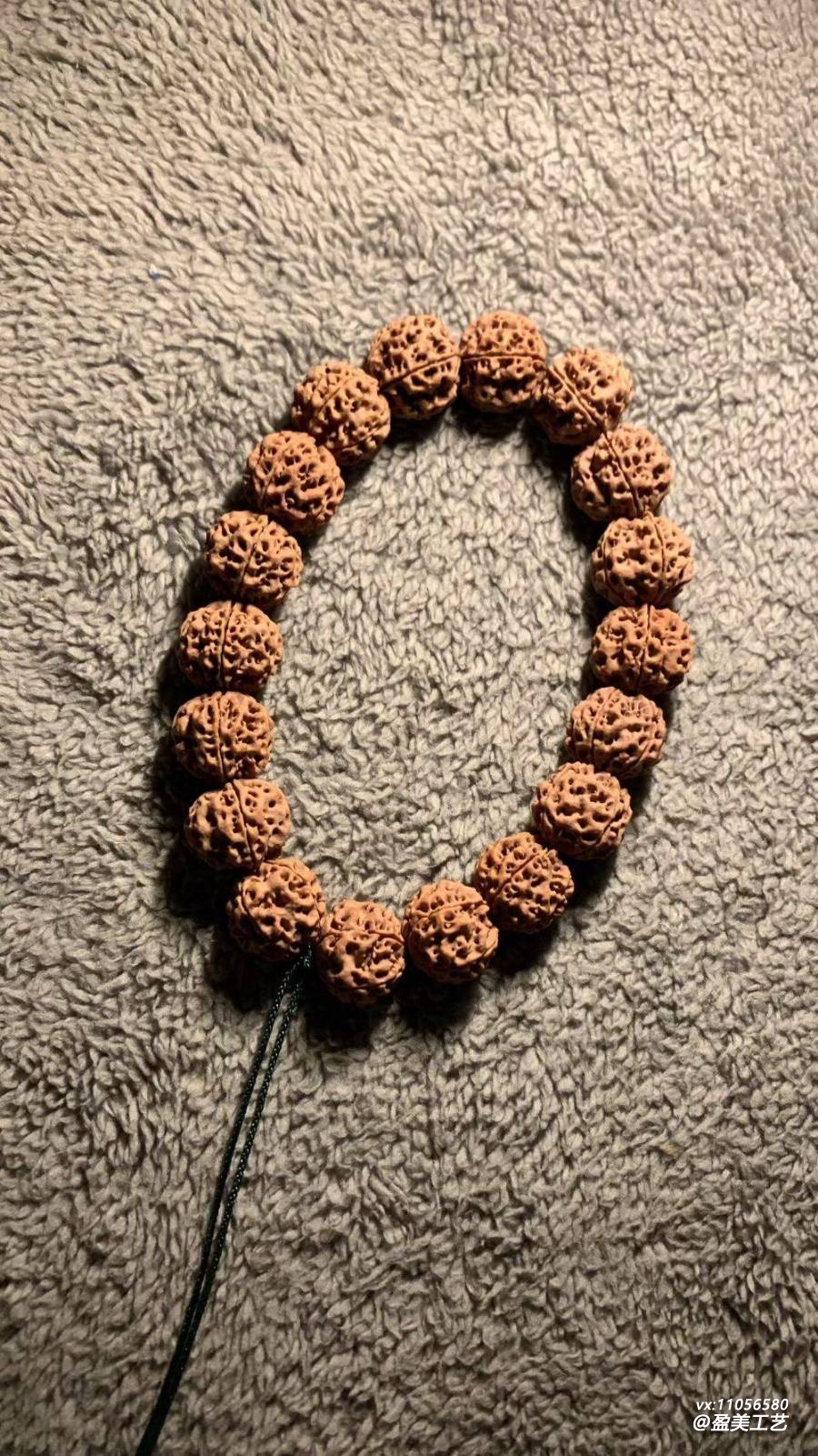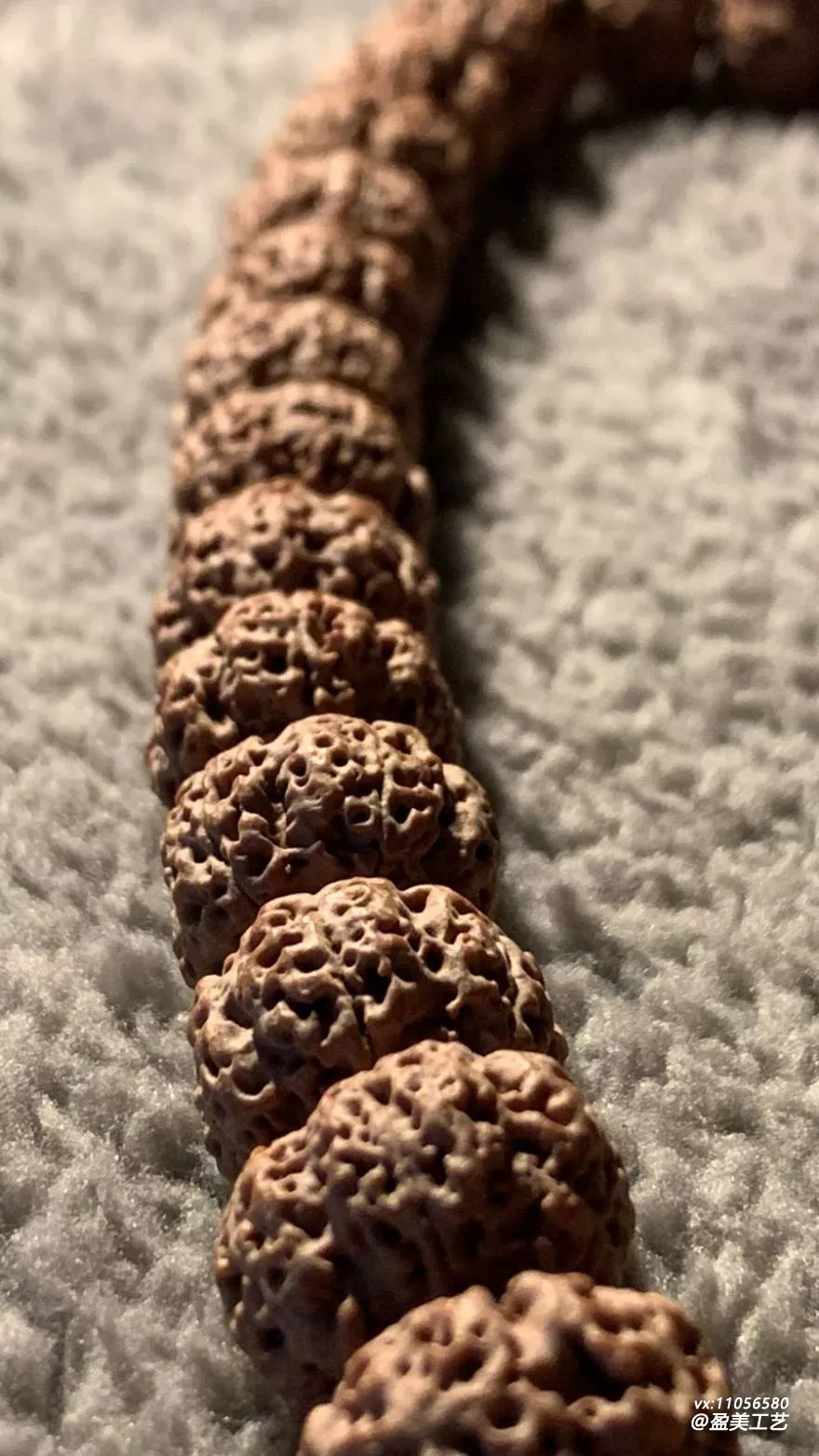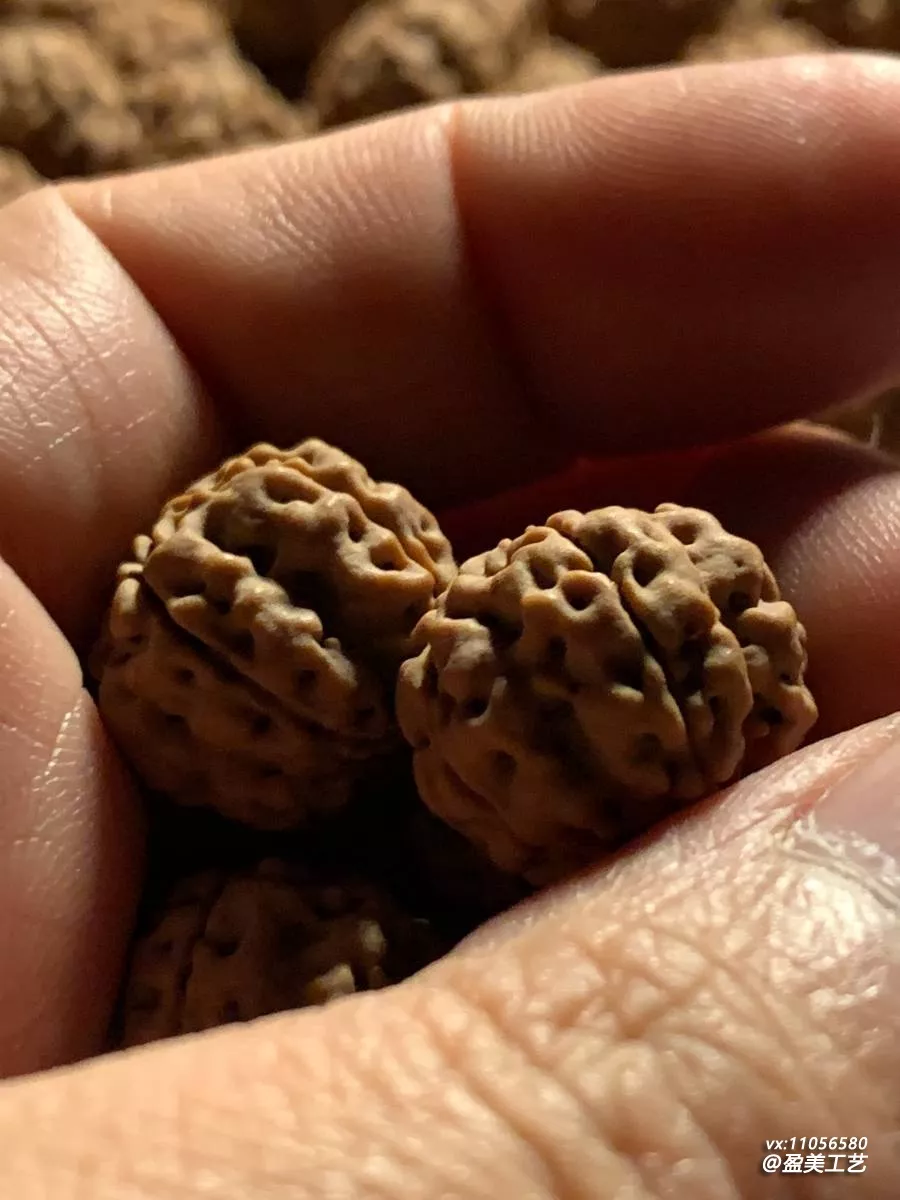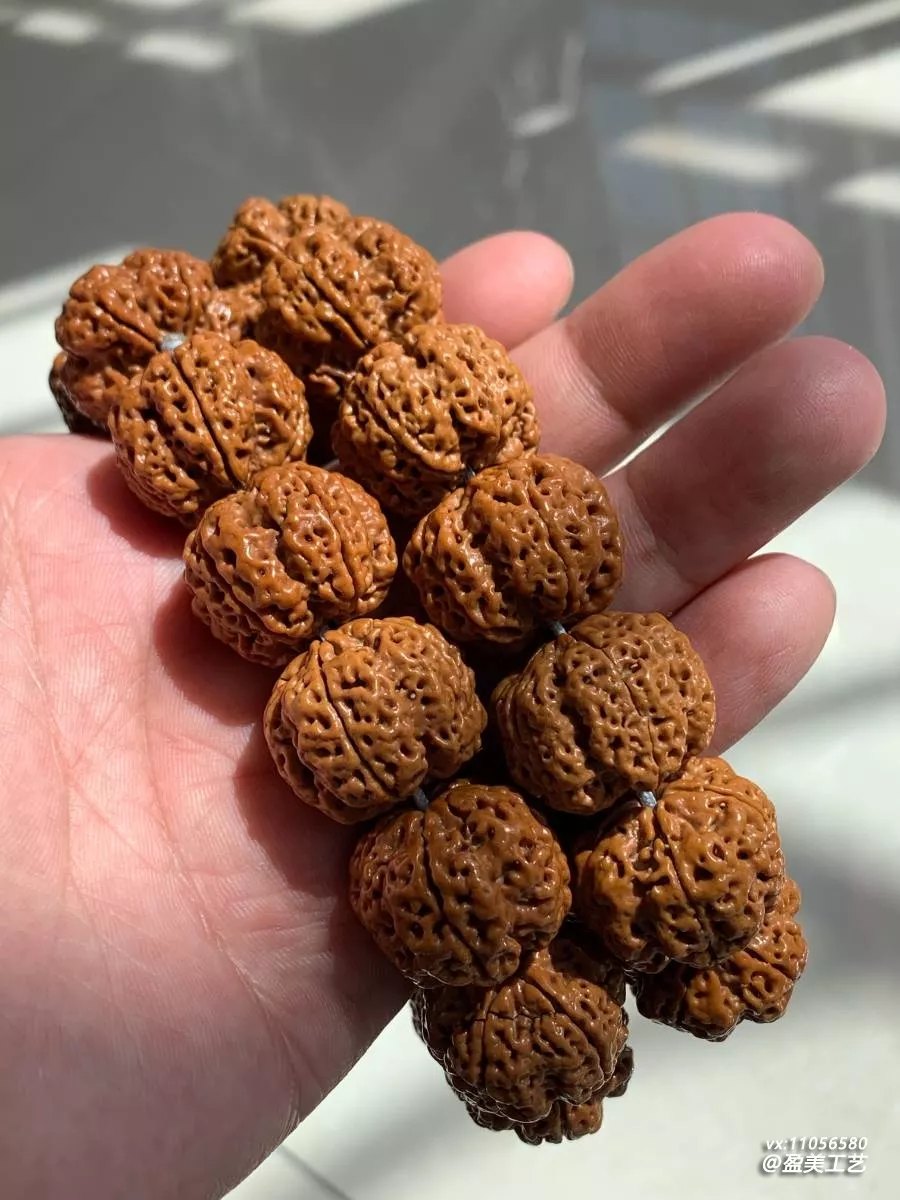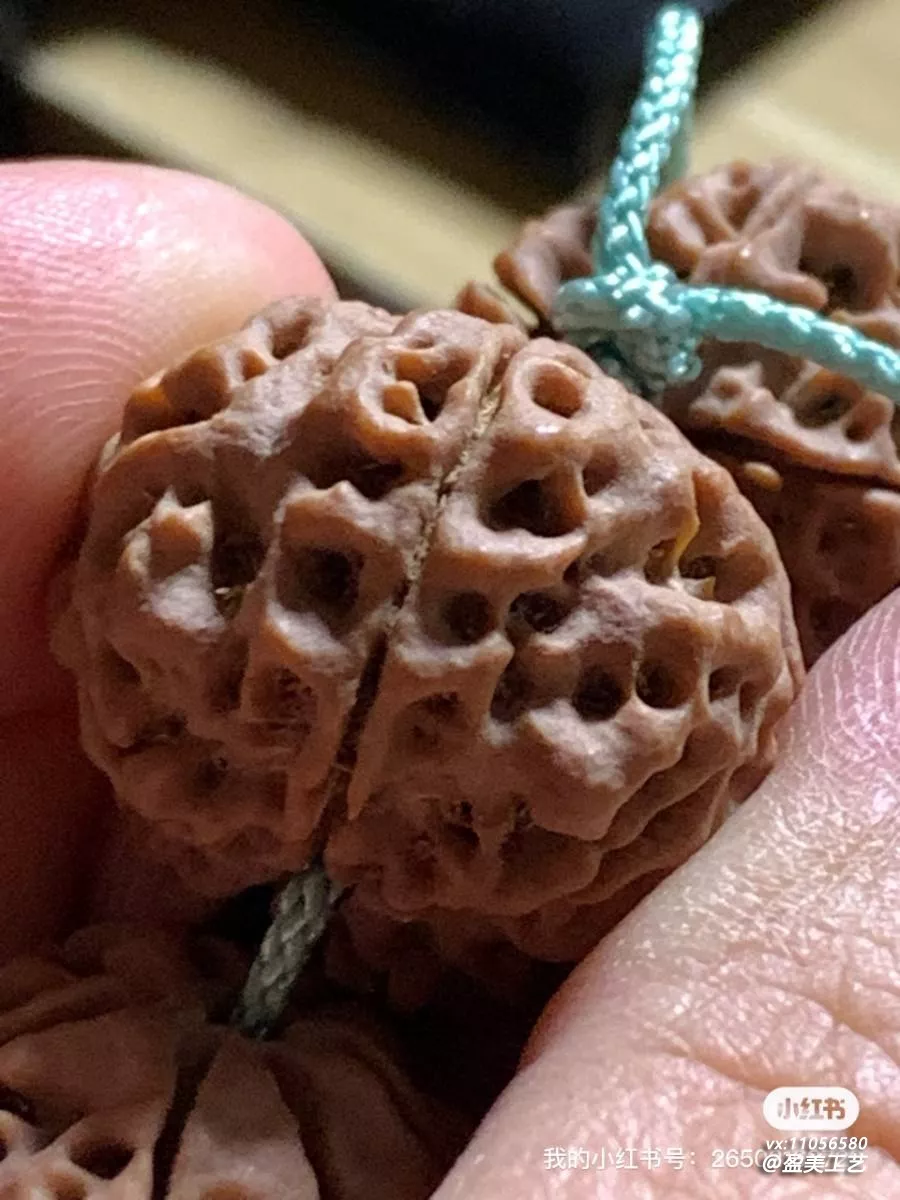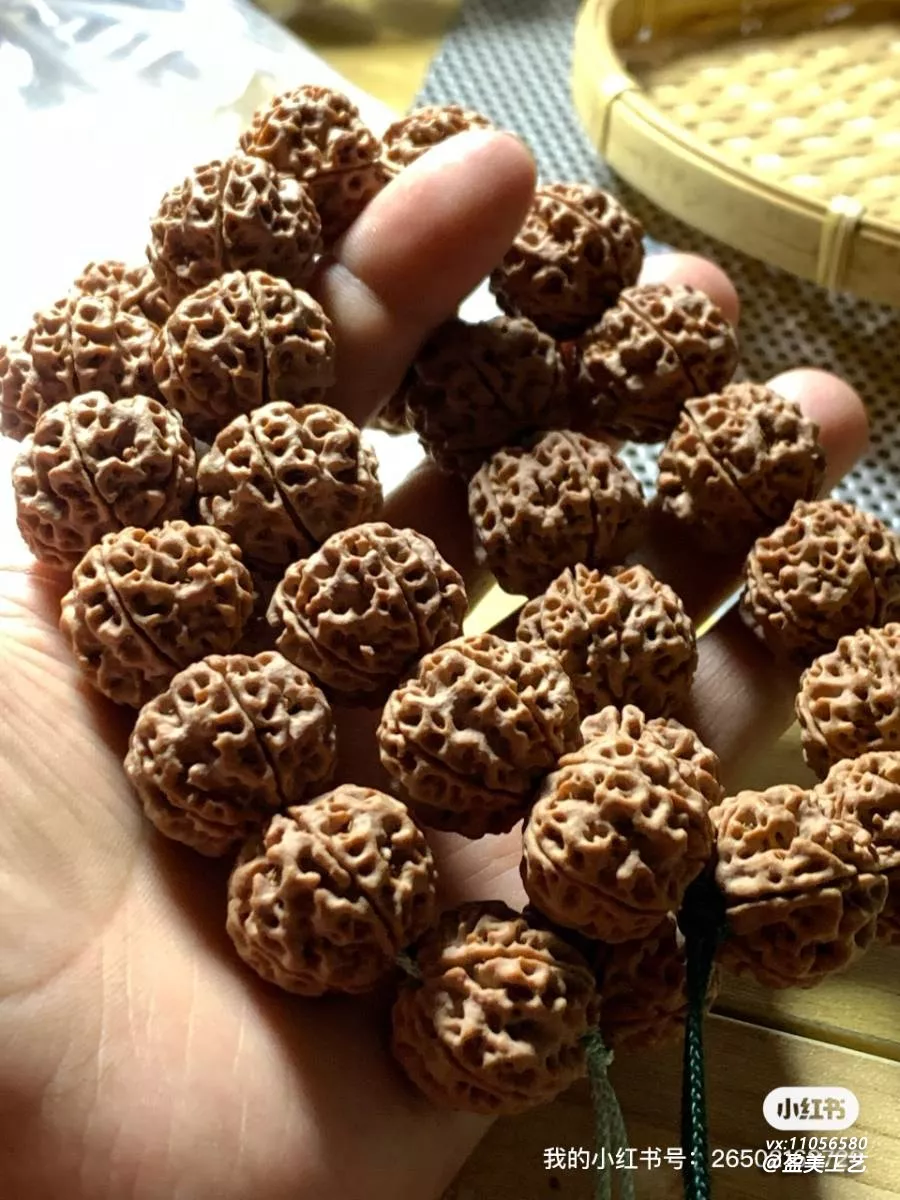
A flat-fine single loop is not expensive, but played well it shines, and many want to understand: a patchy flat-fine single loop can be chased back like this. A question asked often, answered in one go.
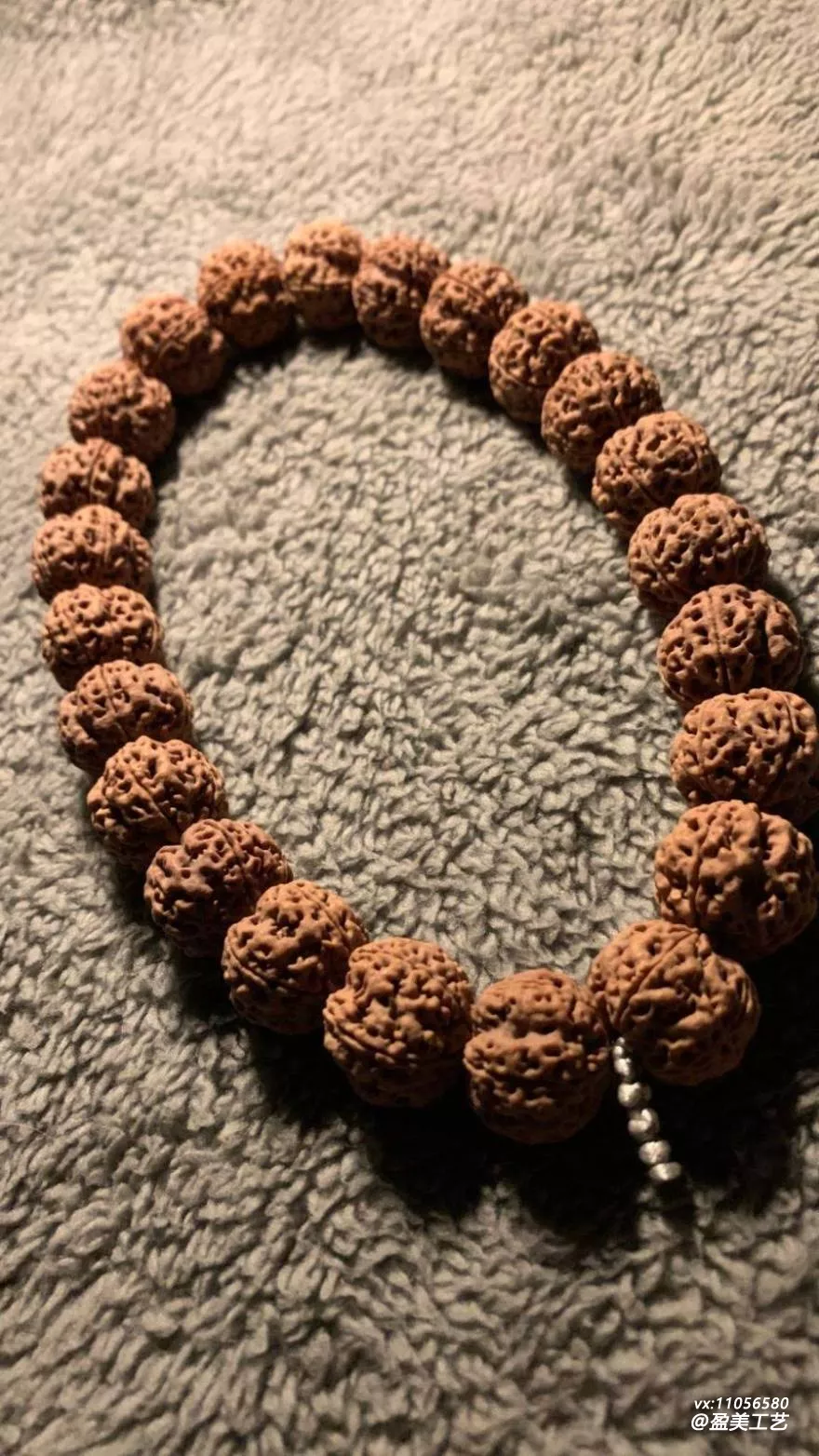
Why it goes patchy
Why: understand it first. Sweat and oil are uneven, so places played more go dark and places played less stay pale; seeds differ in density and colour at different speeds; poor playing habits — playing one side only, playing a patch only — naturally leave colour uneven. Flat-fine seeds are small so the difference is more obvious and patchiness stands out. Causes differ and so do the methods; find the cause first.
How to chase the colour
How: the core is evening out the difference. Pale seeds get more playing and more contact with sweat and oil to bring the colour up; dark seeds get more brushing to push the colour down and level the whole. Flat-fine seeds are small so chasing needs care — do not play pale seeds hard. Chasing needs patience, showing in a few months; while chasing keep playing and brushing even so you do not create a new difference.
Compared with a 108, a single loop is easy and quick to play, good for odd moments; a 108 takes effort — a single loop suits daily carrying.
Principles for chasing colour
A few principles: do not oil to chase colour, oil makes the colour false; do not play pale seeds hard, too much sweat and oil backfires; keep the surface clean while chasing — always brush after playing. Chasing a patchy flat-fine with method and patience, the difference levels out bit by bit. A patchy flat-fine single loop can be chased back like this — do not give up, keep chasing, and the string returns to even.
A flat-fine single loop — playing is slow work and a small string shows the finer texture; keep playing and the string will surprise you, and the more you play the more you love it.