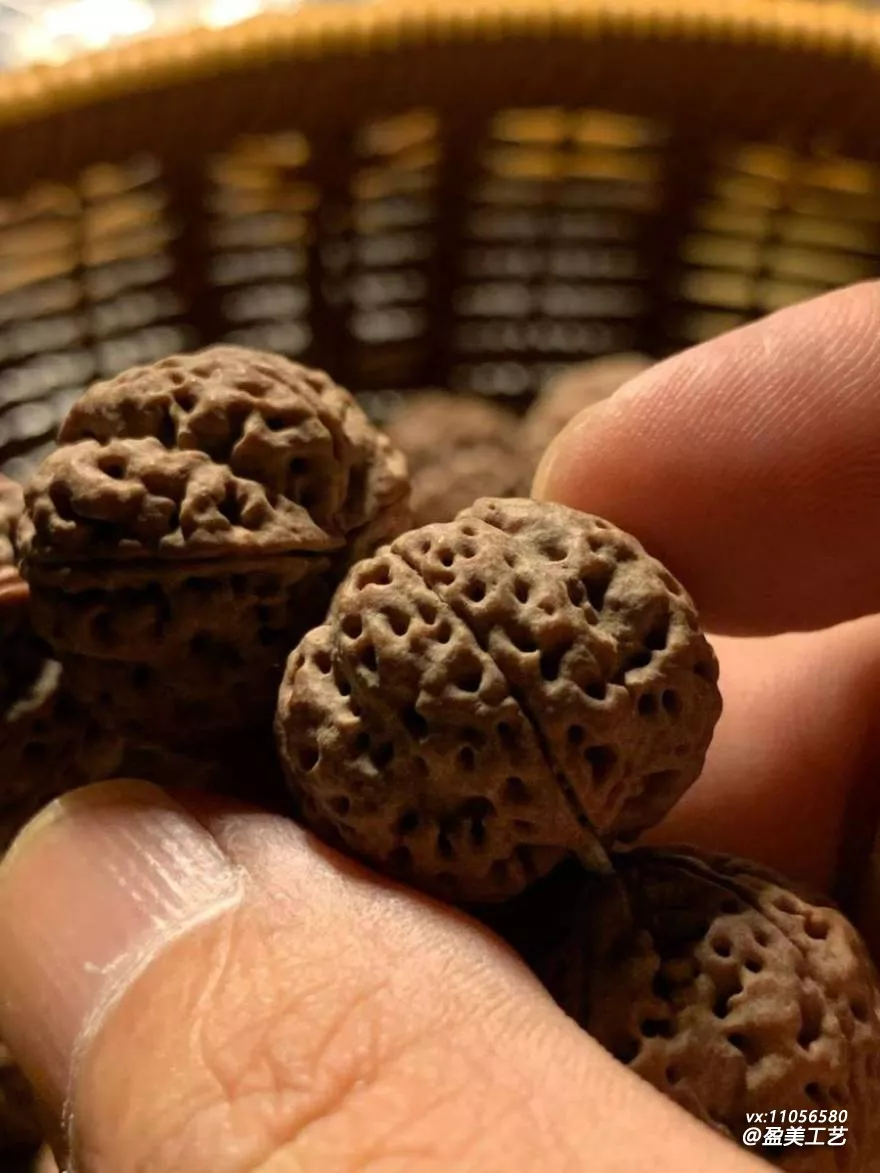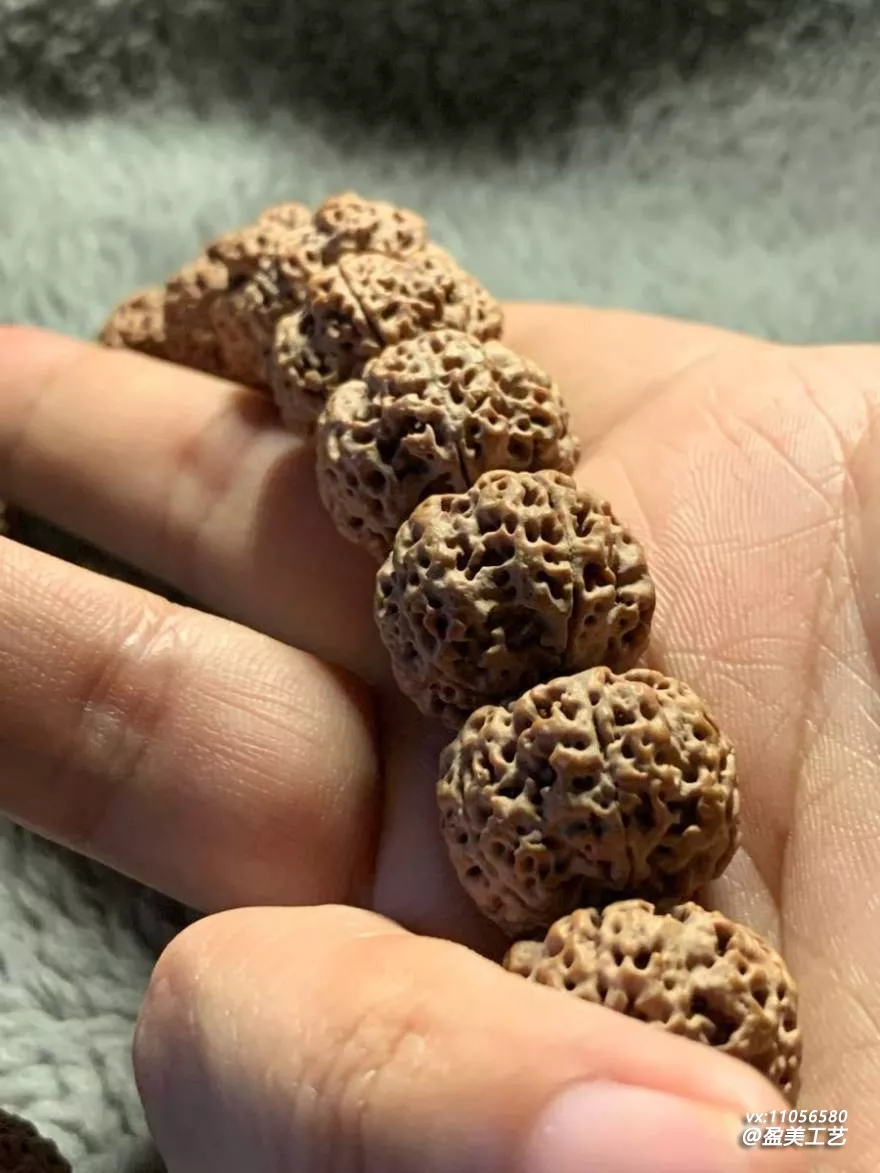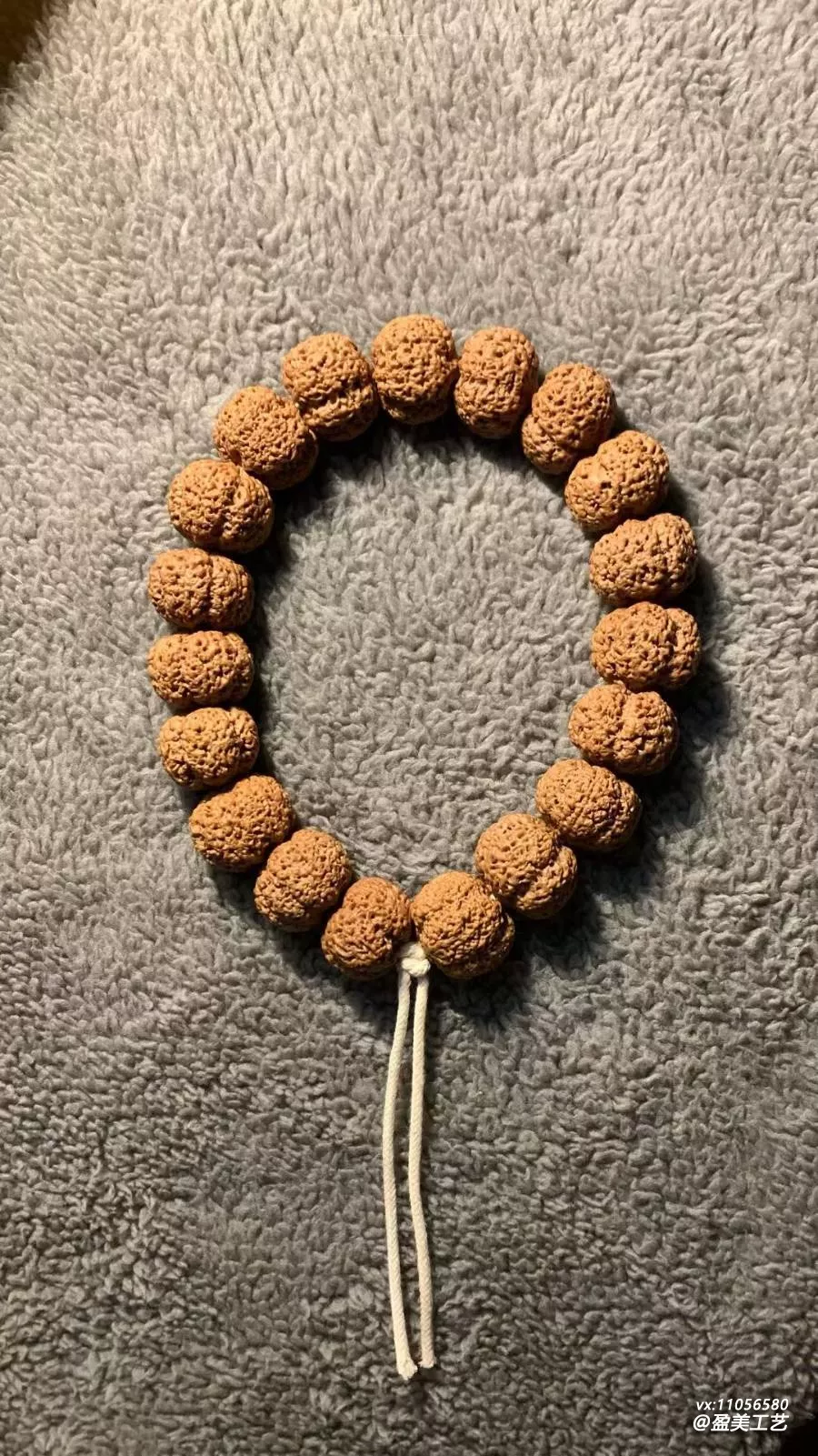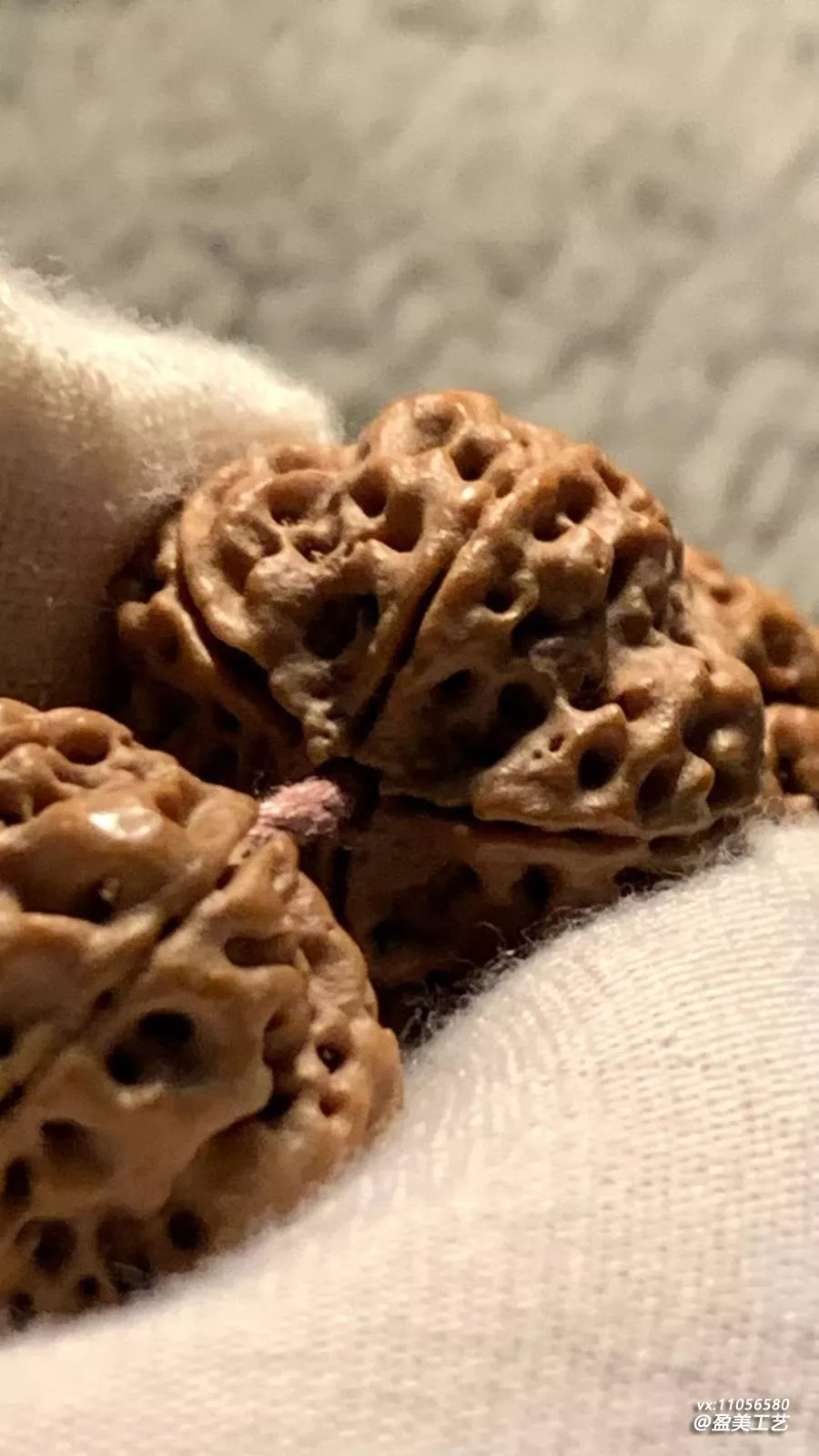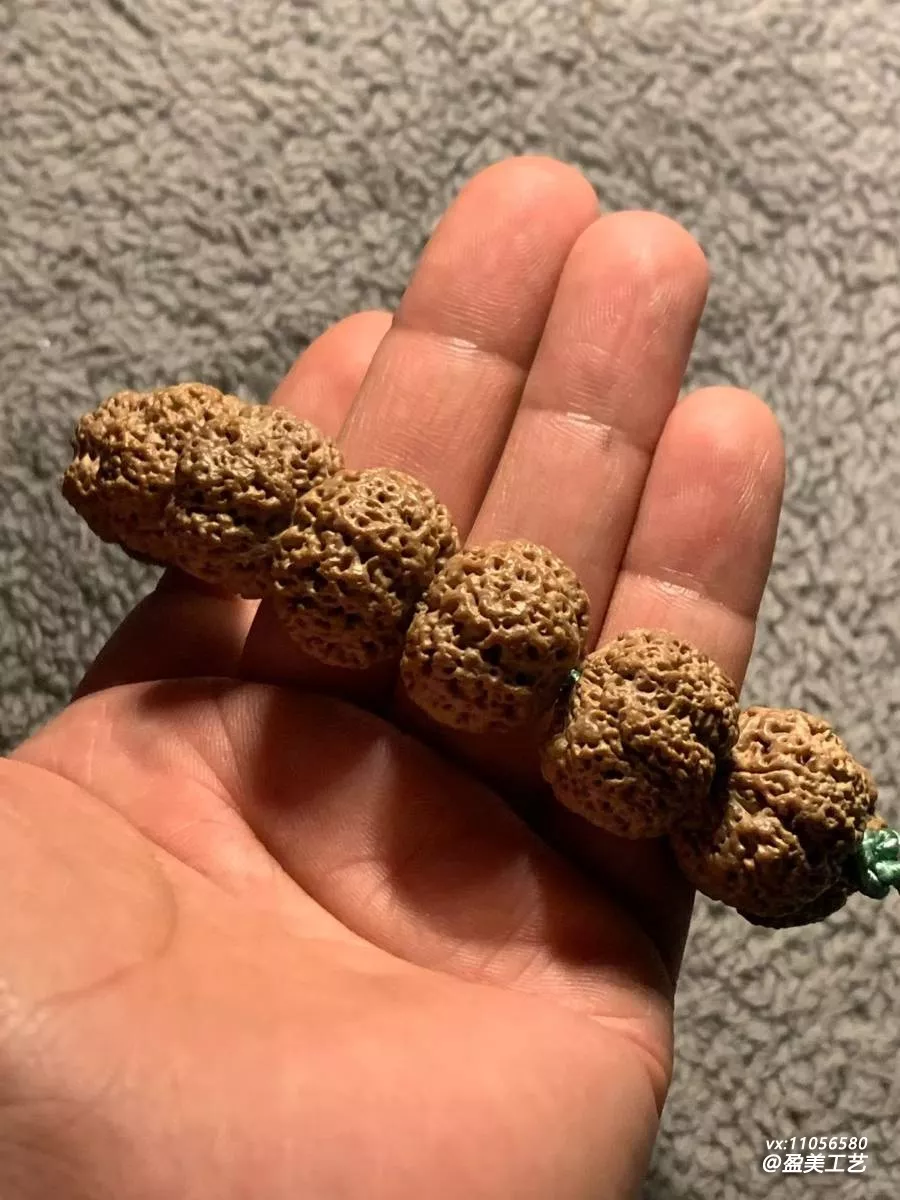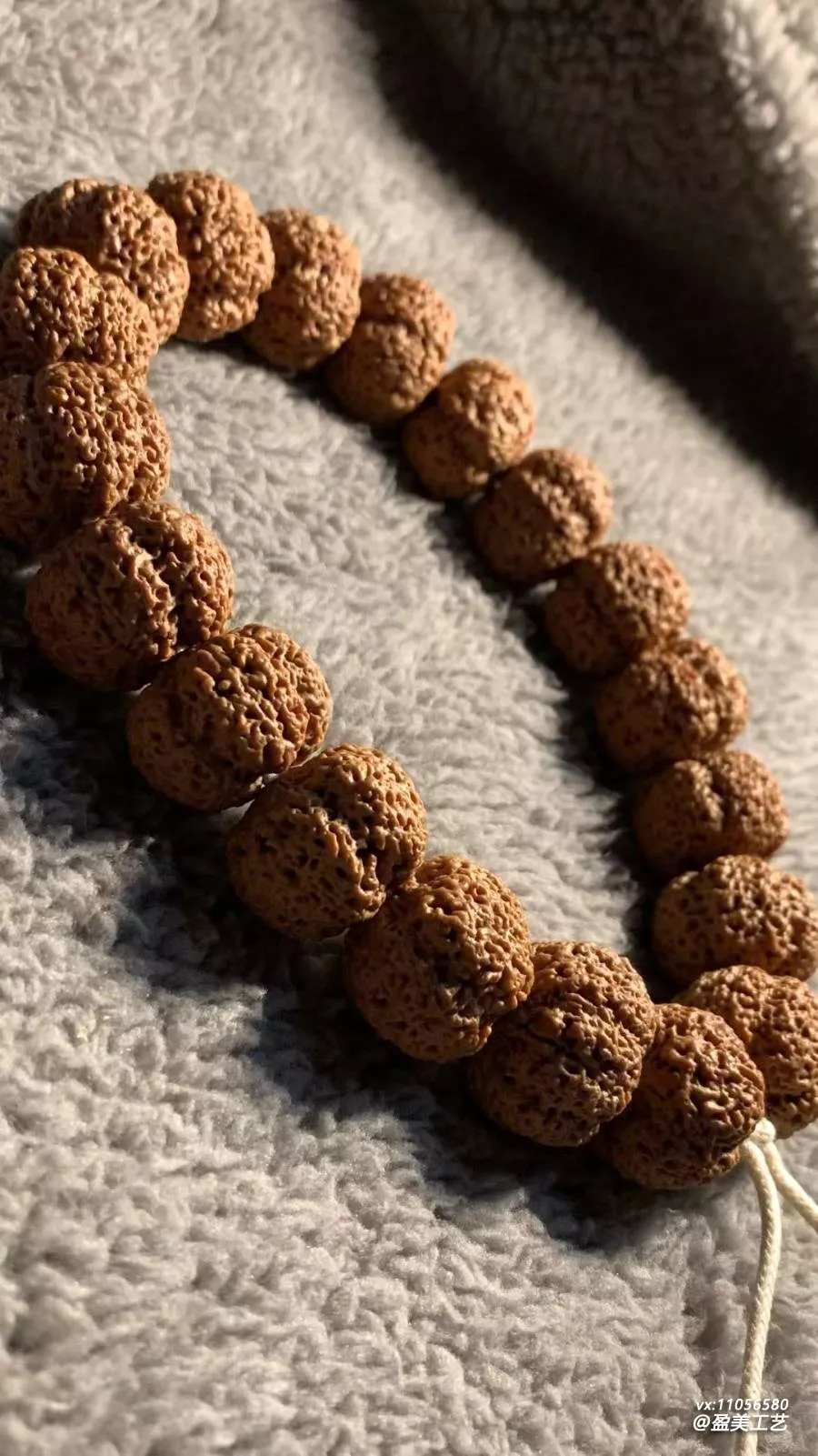
Rudraksha (large) and Luodi Hong, don't confuse the two. On the market, there are seeds that look like Rudraksha (large), called Luodi Hong. Beginners can easily confuse them; you might buy a mala and only realize you've been duped after the breaking-in (patina process). How to tell Rudraksha (large) and Luodi Hong apart will be explained clearly, so don't mix them up.
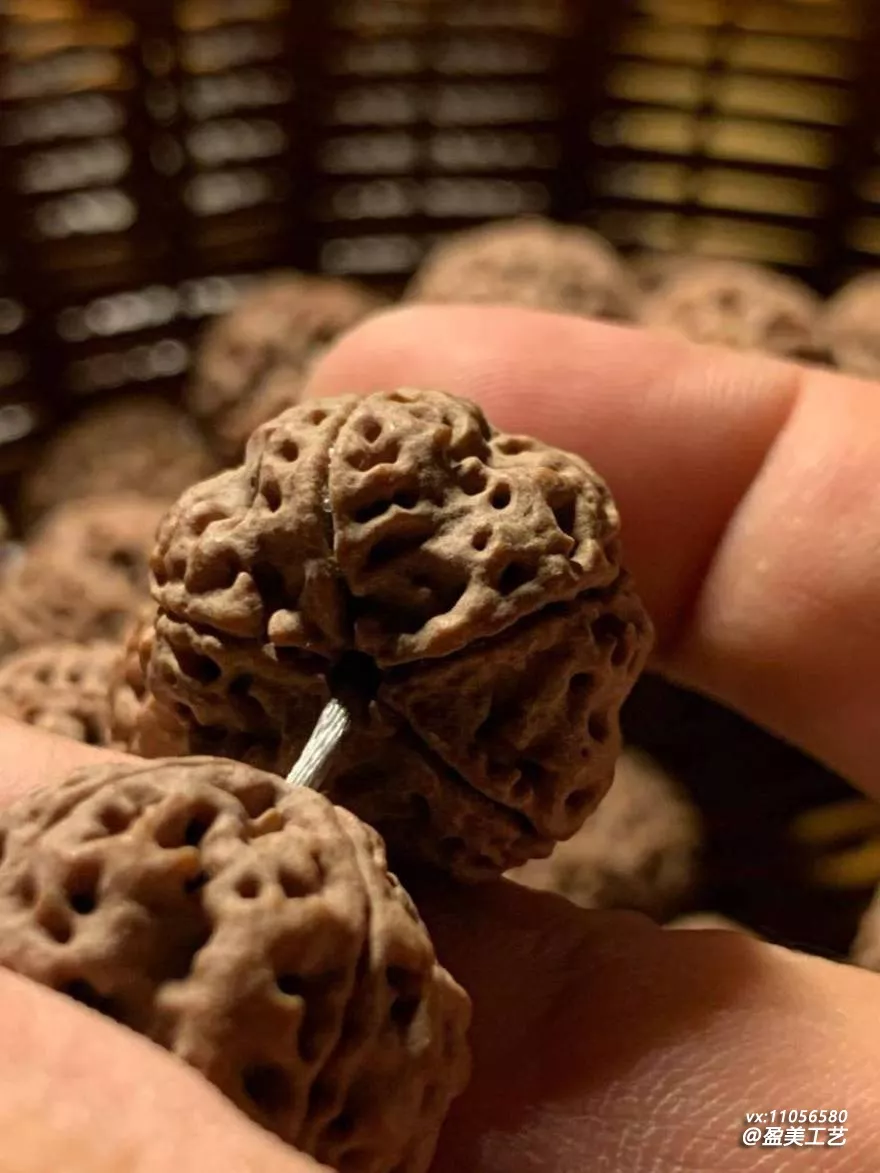
Differences between the two
Differences between the two: Rudraksha (large) has natural grain / texture, diverse shapes, an oily and lustrous skin, and good density; Luodi Hong has rigid grain / texture, a mostly round shape, dry skin, and poor density. The results after the breaking-in (patina process) are worlds apart. They may look similar, but they feel completely different during the breaking-in (patina process).
How to distinguish them
How to distinguish them: Look at the grain / texture—Rudraksha (large) has three-dimensional and natural grain / texture, while Luodi Hong's grain / texture is rigid and flat; look at the shape—Luodi Hong is too round and uniform, whereas Rudraksha (large) has more diverse shapes; weigh them in your hand—Rudraksha (large) feels hefty, while Luodi Hong is noticeably light; break them in for a while—Rudraksha (large) takes on color, while Luodi Hong hardly changes color.
Don't be greedy for cheap prices
Don't be greedy for cheap prices: Luodi Hong is low-priced and looks big and round, making it easy to mistake for a bargain, but it's actually a trap. When buying Rudraksha (large), focus on the skin and density, and don't be fooled by the appearance. Rudraksha (large) and Luodi Hong—don't confuse the two. Learn to distinguish them so you won't be cheated when buying a mala.
Once you learn to distinguish them, you'll never have to worry about Luodi Hong being passed off as Rudraksha (large). You'll have peace of mind when browsing the market to buy a mala, and you won't waste your money.