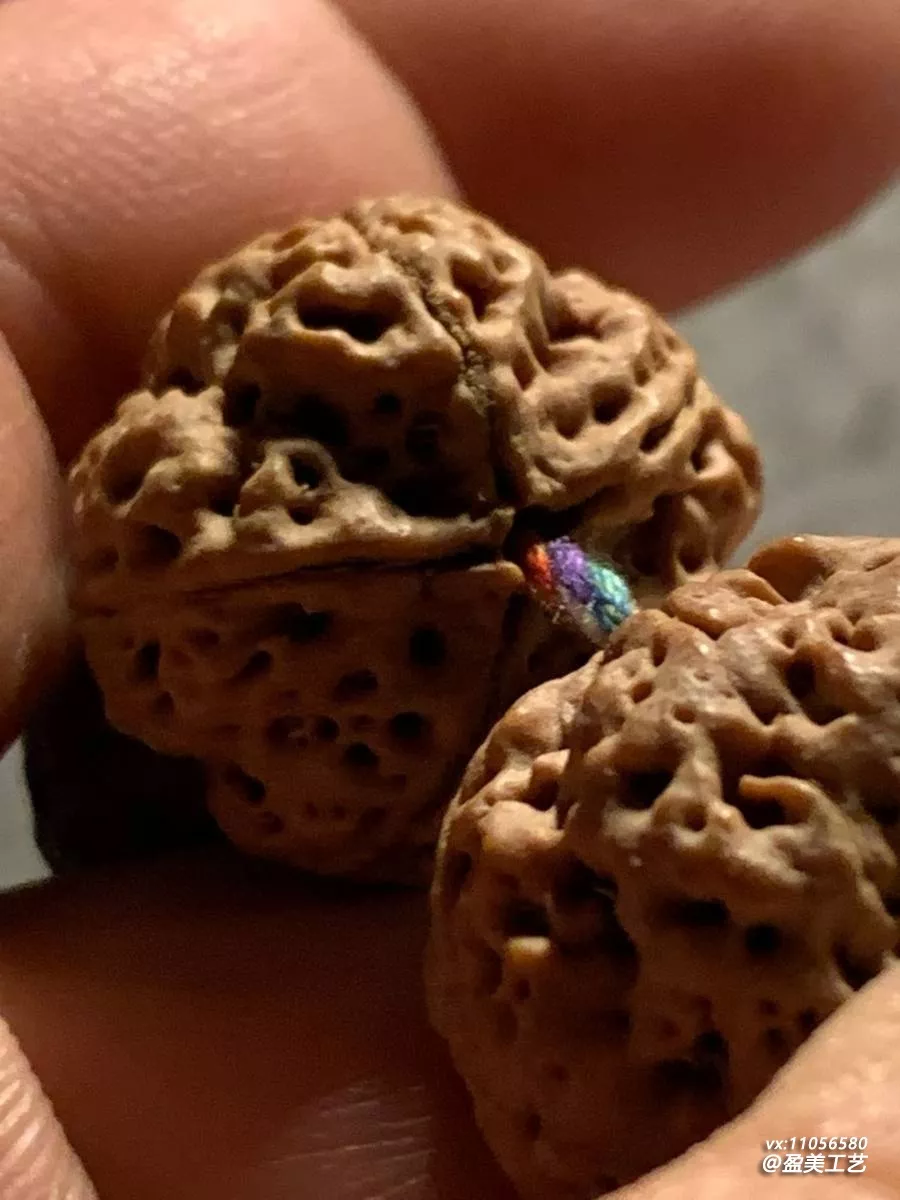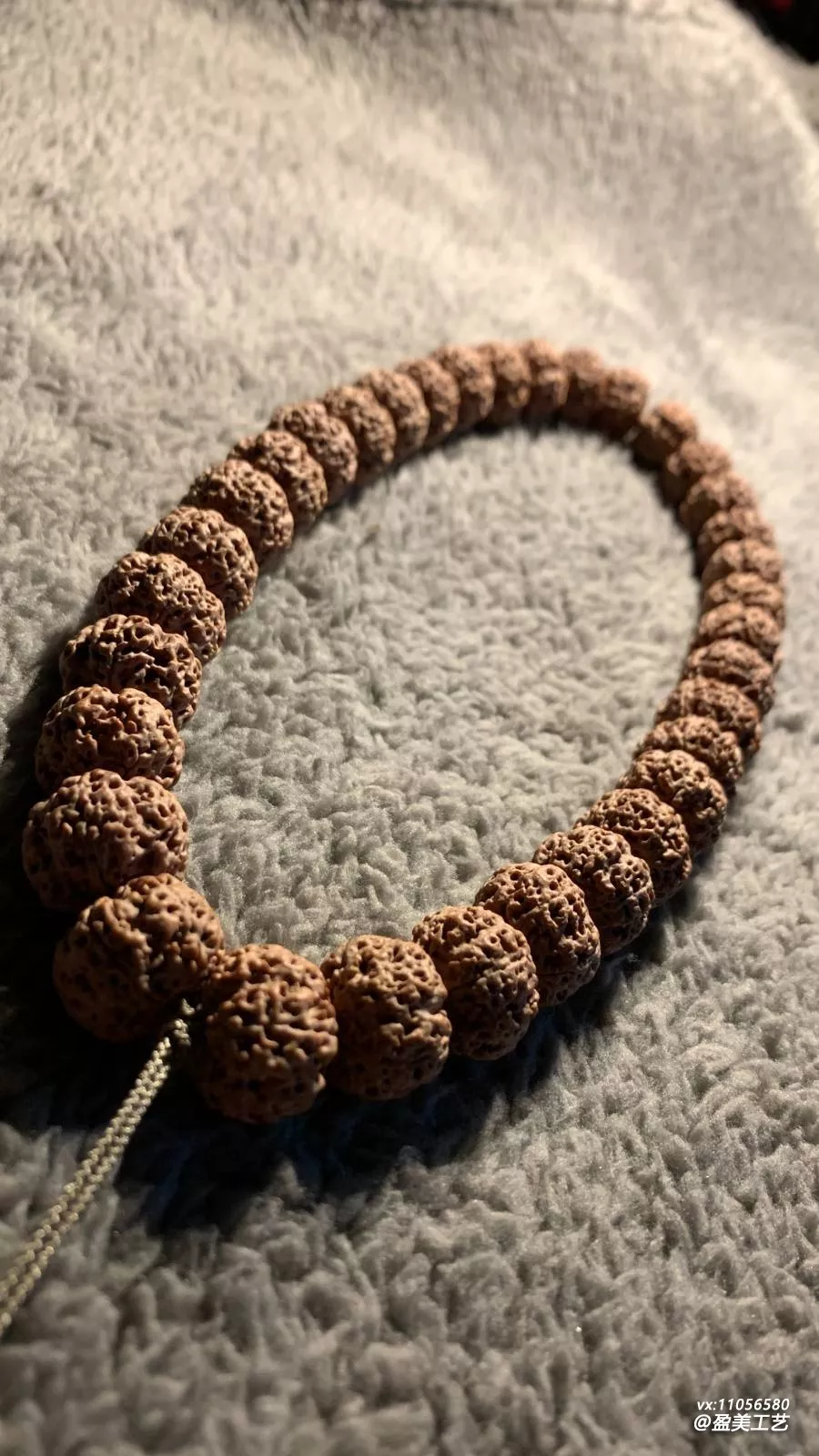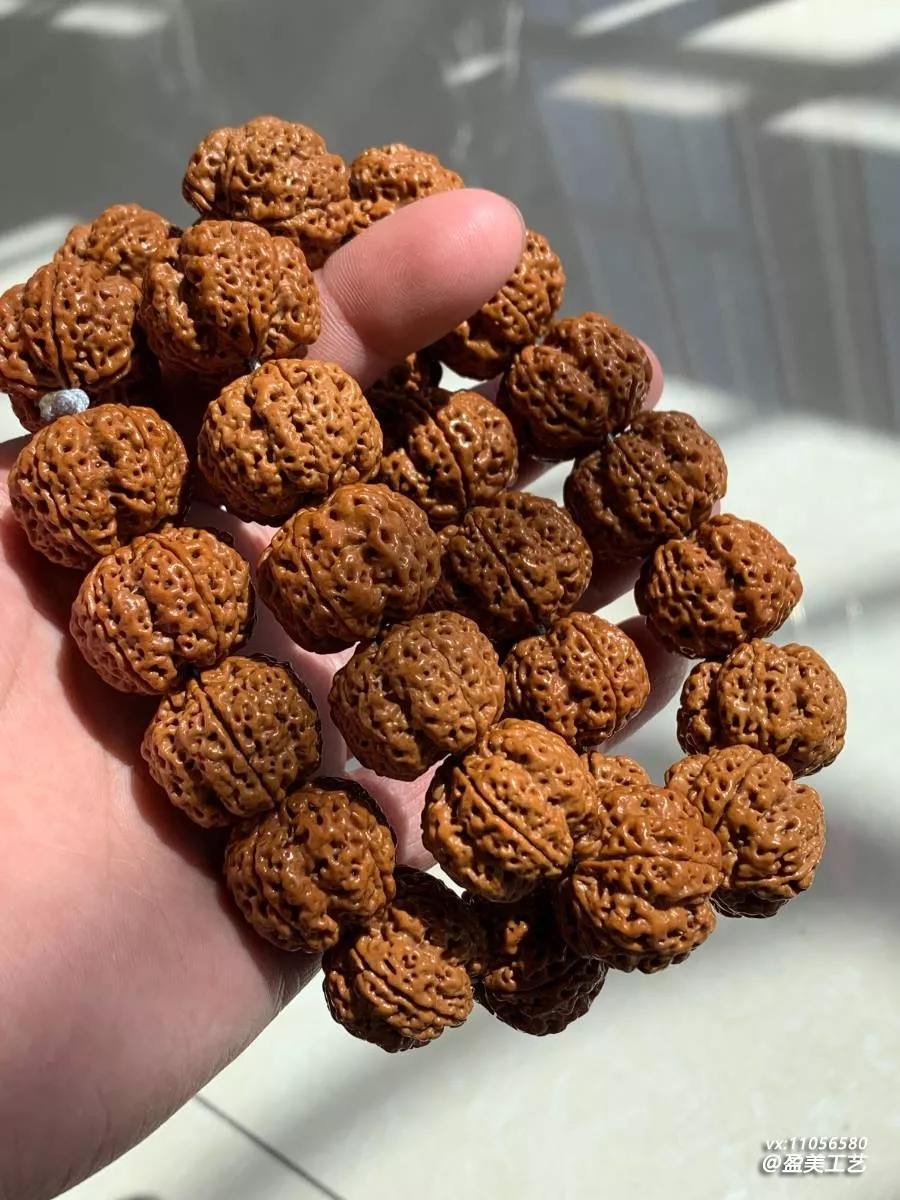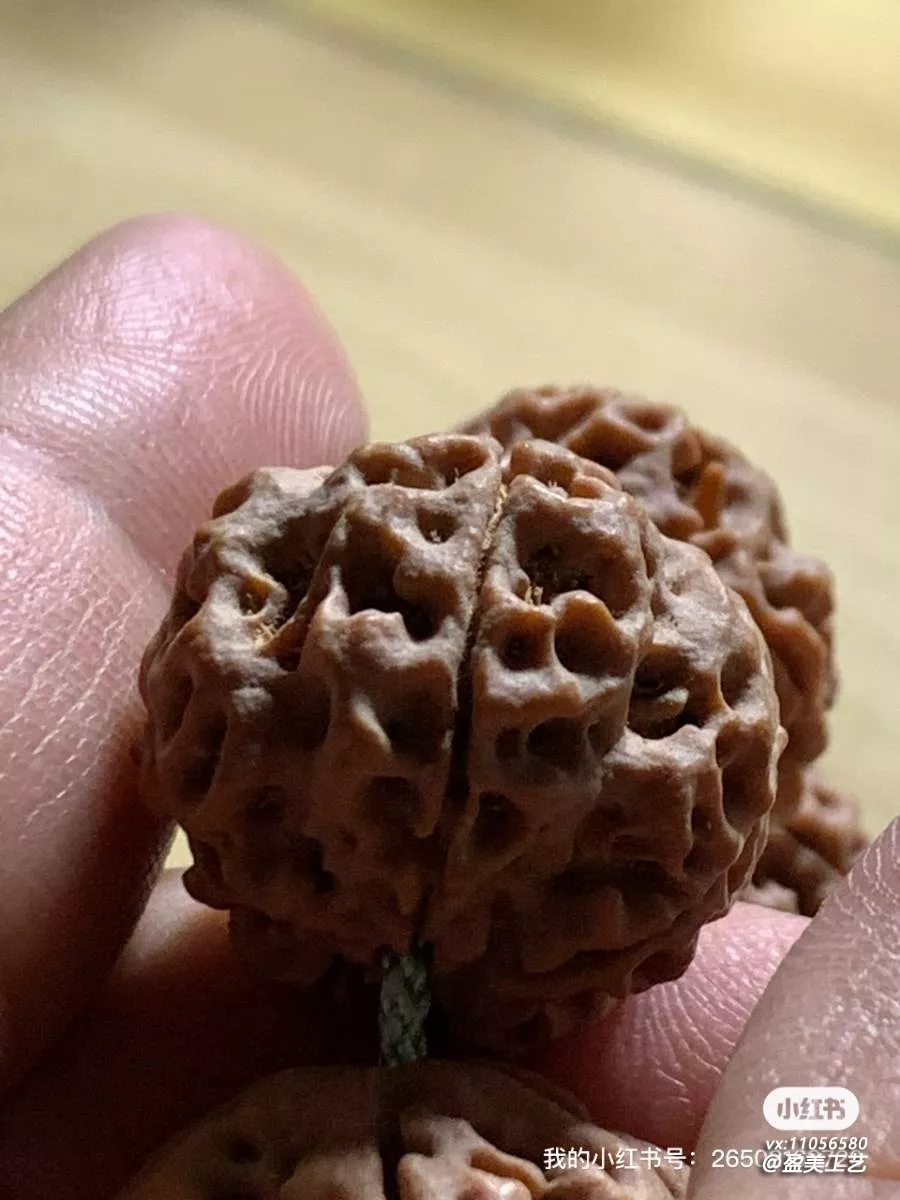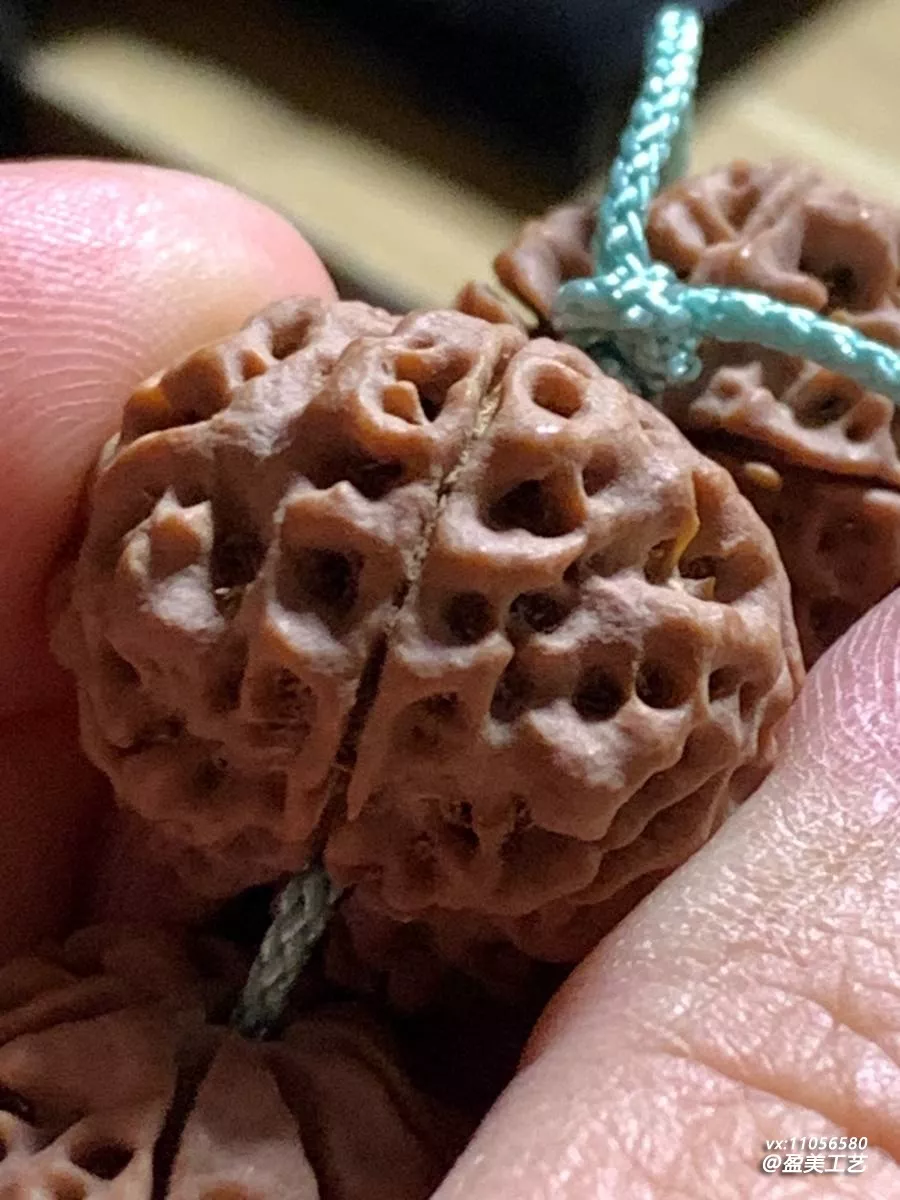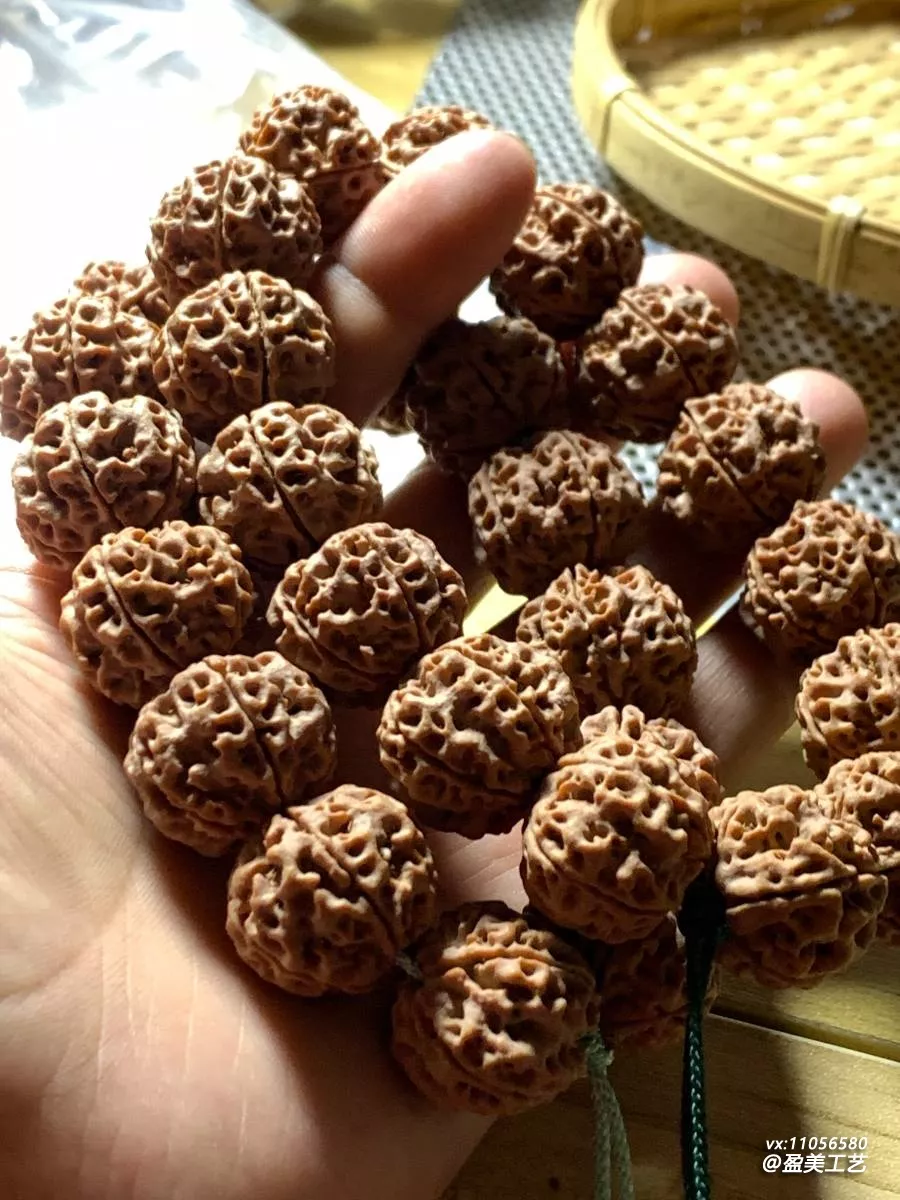
How do you recognise chemically forced seeds? On a large bodhi two places show it most clearly. Chemically forced seeds on the market look big and plump, but the skin is woody and they never play out. How to recognise them — these two places are the clearest; learn it and you will not lose out.
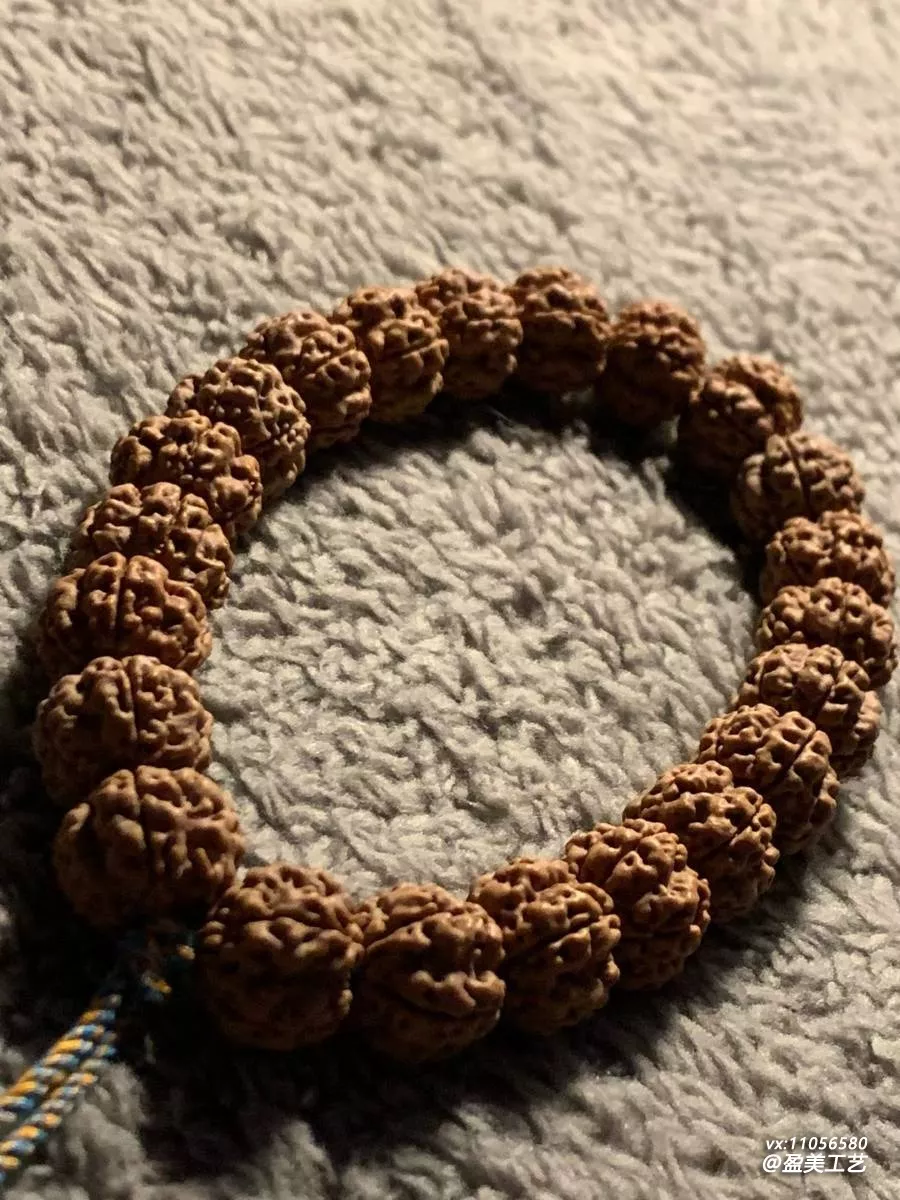
Look at the skin
Look at the skin. Chemically forced seeds have woody, dry skin, not oily to the touch, and the colour is on the pale side, not the oily shine of a naturally ripened seed. Seeds forced to grow big are weak in the skin, and this alone reveals part of the problem at a glance.
Look at the grain and the shape
Look at the grain and the shape. Chemically forced seeds have weak fleshiness in the grain — plump to look at but not three-dimensional enough; the shape is often tall and large, out of proportion. Natural seeds have an angular grain and a balanced shape; set side by side, the forced ones stand out clearly.
Put it together
Put it together: woody skin plus unnatural shape — with both signs present it is basically a chemically forced seed. Weigh it as a check too: forced seeds have low density and feel light. How to recognise them? On a large bodhi these two places are clearest: woody skin and unnatural shape. Know them and do not buy.
Chemically forced seeds are a trap for beginners; learn these two signs and you walk the market with confidence, not fooled by smooth talk, buying clearly and playing at ease.